Pediatric Brain and Spine Care
Pediatric Brain and Spine Care
Pediatric Brain and Spine Care
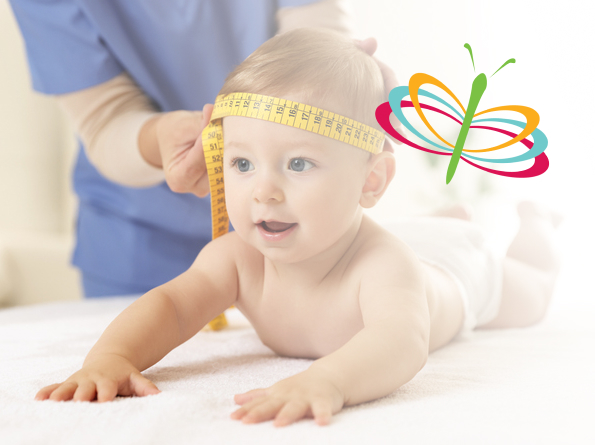
Your brain and spinal cord are the command centers of your body, controlling how your body works and moves. When something goes wrong during infancy or childhood, it can affect how your child grows, learns, and lives.
At Carilion Children's, our pediatric neurologists and neurosurgeons focus on caring for these complex conditions. Our mission is to provide compassionate, high-quality treatment and management to improve your child’s quality of life.


Pediatric brain and spine care focuses on conditions that affect the brain, spinal cord, nerves, and muscles. These conditions can impact how a child moves, learns, develops, and interacts with the world.
Pediatric neurologists provide medical care for nervous system disorders, while pediatric neurosurgeons perform surgery when needed. We treat both congenital conditions present at birth and diseases or injuries that develop later in childhood.
What Is Pediatric Brain and Spine Care?
Pediatric brain and spine care focuses on conditions that affect the brain, spinal cord, nerves, and muscles. These conditions can impact how a child moves, learns, develops, and interacts with the world.
Pediatric neurologists provide medical care for nervous system disorders, while pediatric neurosurgeons perform surgery when needed. We treat both congenital conditions present at birth and diseases or injuries that develop later in childhood.
We treat a wide variety of childhood neurological conditions. These includes:
- Congenital and genetic neurological conditions: We treat genetic neurological disorders and neurological conditions present at birth. This includes chiari malformation, craniosynostosis, spina bifida, and tethered spinal cord.
- Developmental conditions: We evaluate and give management guidance for children with developmental delays in speech, coordination, and motor skills.
- Neurocutaneous disorders: We treat these rare disorders that cause tumors to grow in the central nervous system, skin, and eyes. These lifelong conditions include neurofibromatosis, tuberous sclerosis, and Sturge-Weber Syndrome.
- Seizure and epilepsy disorders: We treat childhood epilepsy, including febrile seizures.
- Headache and pain disorders: We treat primary and secondary headache disorders, including migraines.
- Movement disorders: We treat vocal and motor tics, Tourette Syndrome, ataxia, and other childhood movement disorders.
- Sleep disorders: We treat insomnia, restless leg syndrome, sleep apnea, and parasomnias. We also treat problems with excessive daytime sleepiness, including narcolepsy and idiopathic hypersomnia.
- Tumors: We treat brain and spine tumors and cancer.
- Vascular conditions: We care for problems of the blood vessels in your child’s brain and spine. This includes vascular malformations.
- Trauma: We treat spinal cord injury and traumatic brain injury, or TBI, including concussion.
Conditions We Treat
We treat a wide variety of childhood neurological conditions. These includes:
- Congenital and genetic neurological conditions: We treat genetic neurological disorders and neurological conditions present at birth. This includes chiari malformation, craniosynostosis, spina bifida, and tethered spinal cord.
- Developmental conditions: We evaluate and give management guidance for children with developmental delays in speech, coordination, and motor skills.
- Neurocutaneous disorders: We treat these rare disorders that cause tumors to grow in the central nervous system, skin, and eyes. These lifelong conditions include neurofibromatosis, tuberous sclerosis, and Sturge-Weber Syndrome.
- Seizure and epilepsy disorders: We treat childhood epilepsy, including febrile seizures.
- Headache and pain disorders: We treat primary and secondary headache disorders, including migraines.
- Movement disorders: We treat vocal and motor tics, Tourette Syndrome, ataxia, and other childhood movement disorders.
- Sleep disorders: We treat insomnia, restless leg syndrome, sleep apnea, and parasomnias. We also treat problems with excessive daytime sleepiness, including narcolepsy and idiopathic hypersomnia.
- Tumors: We treat brain and spine tumors and cancer.
- Vascular conditions: We care for problems of the blood vessels in your child’s brain and spine. This includes vascular malformations.
- Trauma: We treat spinal cord injury and traumatic brain injury, or TBI, including concussion.
We use the latest proven therapies and procedures to evaluate, treat, and manage your child’s neurological condition. This includes treatment for:
Brain and spine tumors and lesions
Tumors and lesions can form in your child’s brain and spinal cord for many reasons. The growths can cause nerve pain and damage that affect many body functions. We have the skill and experience to treat pediatric tumors and lesions in your child’s central nervous system. Treatments include:
- Brain and spine tumor removal surgery: Our pediatric neurosurgeons remove as much of the tumor as possible while protecting healthy brain and spinal cord tissue.
- Stereotactic radiosurgery (SRS): SRS uses highly focused radiation beams to treat small, well-defined tumors in the brain, spinal cord, and central nervous system. It may be an option when surgery is too risky or the tumor is difficult to reach. Despite its name, SRS is not surgery and does not require an incision. We use CyberKnife® technology to precisely target tumors while limiting radiation to nearby healthy tissue.
- MRI-guided laser ablation: Using Visualase® technology, we guide a laser to the tumor with MRI imaging. The laser heats and destroys tumor tissue through a minimally invasive procedure.
Trauma and injury management
Accidents, sports, abuse, and other trauma can cause traumatic brain and spinal cord injury. We provide emergency and follow-up care after traumatic injury. This includes care to help you and your child manage post-concussion symptoms.
Congenital and structural disorders
Some children are born with conditions that affect the structure of their skull and brain. For some children these structural problems can develop later on. Treatments include:
- Chiari malformation management: Chiari malformation occurs when the lower part of your child’s brain extends into the spinal canal through an opening at the base of the skull. For children with mild or no symptoms, we may monitor the condition or prescribe medication to relieve headaches and pain. If symptoms are more severe, decompression surgery can reduce pressure on the brain and spinal cord and restore the flow of cerebrospinal fluid.
- Cranial vault reconstruction: This surgery treats craniosynostosis, a condition in which the bones of a baby’s skull fuse too early. By reshaping the skull, we relieve pressure on the brain and create space for healthy brain growth.
- Endoscopic suturectomy: This minimally invasive surgery also treats craniosynostosis. Using 1 – 2 small incisions near the hairline, we remove the fused suture to allow the skull and brain to grow more normally.
Hydrocephalus and CSF management
Hydrocephalus is an excess build up of cerebrospinal fluid in the brain. In babies, it can create an enlarged head. It can also cause many physical and cognitive symptoms during infancy and childhood. This includes headaches, vomiting, vision problems, and developmental delays. Our surgical management of hydrocephalus or other CSF disorders and disease includes:
- Ventriculoperitoneal shunt: We make a small hole into the skull to insert a catheter, or hollow tube, to drain excess cerebrospinal fluid.
- Endoscopic third ventriculostomy: We make a small cut in the third ventricle. This shifts the flow of cerebrospinal fluid from one blocked ventricle to another CSF space. This avoids the need for a shunt.
- Lumbar puncture: We use a hollow needle to take a sample of your child’s cerebrospinal fluid to find disease and infection.
Epilepsy and neuromodulation
Medical conditions and brain injury can cause epilepsy, or repeated seizures. Our surgical management of epilepsy in children includes:
- Laser interstitial thermal therapy (LITT): With LITT, we target and deliver laser therapy to a specific part of the brain. The laser energy heats up and destroys the brain cells causing the seizures. LITT is a less invasive surgery that makes a small hole in the skull to feed a special probe.
- Deep brain stimulation: This is a medical procedure where a device, often referred to as a "brain pacemaker," delivers electrical signals to specific areas of the brain. We use this to manage symptoms related to movement, pain, mood disorders, and more.
- Corpus callosotomy: Some children may have frequent or severe seizures that medication can’t control. For these children we may use this surgery. It involves cutting the corpus callosum. This is a thick band of nerve fibers that connects the 2 sides of the brain.
- Hemispherectomy/functional hemispherectomy: These are other options for severe or frequent seizures that medication can’t control. Hemispherectomy is a neurosurgery where we remove the unhealthy hemisphere of the brain. A functional hemispherectomy is where we disconnect the unhealthy hemisphere from the side that works.
- Vagal nerve stimulation (VNS): VNS is a small, pacemaker-like device. A surgeon inserts it under the skin of the upper chest and connects to the vagus nerve via a thin wire in the neck. The device sends mild electrical pulses through the vagus nerve to the brain.
Treatments We Offer
We use the latest proven therapies and procedures to evaluate, treat, and manage your child’s neurological condition. This includes treatment for:
Brain and spine tumors and lesions
Tumors and lesions can form in your child’s brain and spinal cord for many reasons. The growths can cause nerve pain and damage that affect many body functions. We have the skill and experience to treat pediatric tumors and lesions in your child’s central nervous system. Treatments include:
- Brain and spine tumor removal surgery: Our pediatric neurosurgeons remove as much of the tumor as possible while protecting healthy brain and spinal cord tissue.
- Stereotactic radiosurgery (SRS): SRS uses highly focused radiation beams to treat small, well-defined tumors in the brain, spinal cord, and central nervous system. It may be an option when surgery is too risky or the tumor is difficult to reach. Despite its name, SRS is not surgery and does not require an incision. We use CyberKnife® technology to precisely target tumors while limiting radiation to nearby healthy tissue.
- MRI-guided laser ablation: Using Visualase® technology, we guide a laser to the tumor with MRI imaging. The laser heats and destroys tumor tissue through a minimally invasive procedure.
Trauma and injury management
Accidents, sports, abuse, and other trauma can cause traumatic brain and spinal cord injury. We provide emergency and follow-up care after traumatic injury. This includes care to help you and your child manage post-concussion symptoms.
Congenital and structural disorders
Some children are born with conditions that affect the structure of their skull and brain. For some children these structural problems can develop later on. Treatments include:
- Chiari malformation management: Chiari malformation occurs when the lower part of your child’s brain extends into the spinal canal through an opening at the base of the skull. For children with mild or no symptoms, we may monitor the condition or prescribe medication to relieve headaches and pain. If symptoms are more severe, decompression surgery can reduce pressure on the brain and spinal cord and restore the flow of cerebrospinal fluid.
- Cranial vault reconstruction: This surgery treats craniosynostosis, a condition in which the bones of a baby’s skull fuse too early. By reshaping the skull, we relieve pressure on the brain and create space for healthy brain growth.
- Endoscopic suturectomy: This minimally invasive surgery also treats craniosynostosis. Using 1 – 2 small incisions near the hairline, we remove the fused suture to allow the skull and brain to grow more normally.
Hydrocephalus and CSF management
Hydrocephalus is an excess build up of cerebrospinal fluid in the brain. In babies, it can create an enlarged head. It can also cause many physical and cognitive symptoms during infancy and childhood. This includes headaches, vomiting, vision problems, and developmental delays. Our surgical management of hydrocephalus or other CSF disorders and disease includes:
- Ventriculoperitoneal shunt: We make a small hole into the skull to insert a catheter, or hollow tube, to drain excess cerebrospinal fluid.
- Endoscopic third ventriculostomy: We make a small cut in the third ventricle. This shifts the flow of cerebrospinal fluid from one blocked ventricle to another CSF space. This avoids the need for a shunt.
- Lumbar puncture: We use a hollow needle to take a sample of your child’s cerebrospinal fluid to find disease and infection.
Epilepsy and neuromodulation
Medical conditions and brain injury can cause epilepsy, or repeated seizures. Our surgical management of epilepsy in children includes:
- Laser interstitial thermal therapy (LITT): With LITT, we target and deliver laser therapy to a specific part of the brain. The laser energy heats up and destroys the brain cells causing the seizures. LITT is a less invasive surgery that makes a small hole in the skull to feed a special probe.
- Deep brain stimulation: This is a medical procedure where a device, often referred to as a "brain pacemaker," delivers electrical signals to specific areas of the brain. We use this to manage symptoms related to movement, pain, mood disorders, and more.
- Corpus callosotomy: Some children may have frequent or severe seizures that medication can’t control. For these children we may use this surgery. It involves cutting the corpus callosum. This is a thick band of nerve fibers that connects the 2 sides of the brain.
- Hemispherectomy/functional hemispherectomy: These are other options for severe or frequent seizures that medication can’t control. Hemispherectomy is a neurosurgery where we remove the unhealthy hemisphere of the brain. A functional hemispherectomy is where we disconnect the unhealthy hemisphere from the side that works.
- Vagal nerve stimulation (VNS): VNS is a small, pacemaker-like device. A surgeon inserts it under the skin of the upper chest and connects to the vagus nerve via a thin wire in the neck. The device sends mild electrical pulses through the vagus nerve to the brain.
Carilion has the region’s largest child neurology practice. We provide the expert brain and spine care your child may need close to home.

Comprehensive Epilepsy Center
Some kids may qualify for Carilion Roanoke Memorial Hospital's adult Epilepsy Monitoring Unit. It's 1 of 5 Level 4 Epilepsy Centers in Virginia, the only one in the region, and is accredited by the National Association of Epilepsy Centers.
Why Choose Carilion Clinic?
Carilion has the region’s largest child neurology practice. We provide the expert brain and spine care your child may need close to home.
Patient Stories
Prior to surgery, Andjenica couldn't walk. But now she is thriving."
Health and Wellness

Make Your Home Safer for Kids
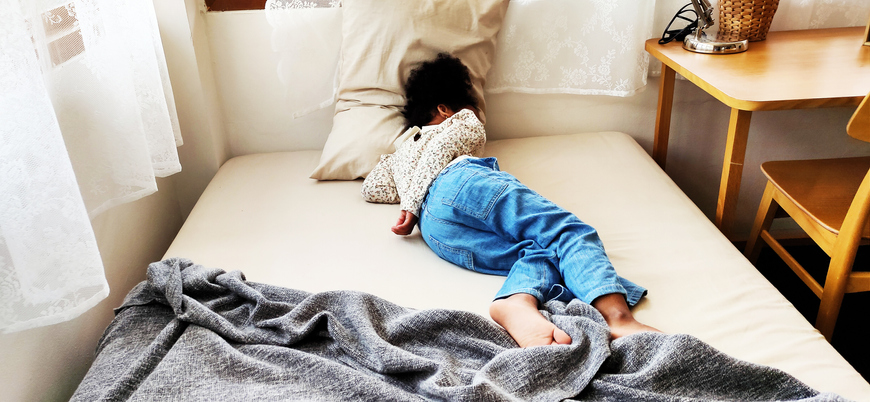
Sleep Guidelines for Kids and Teens
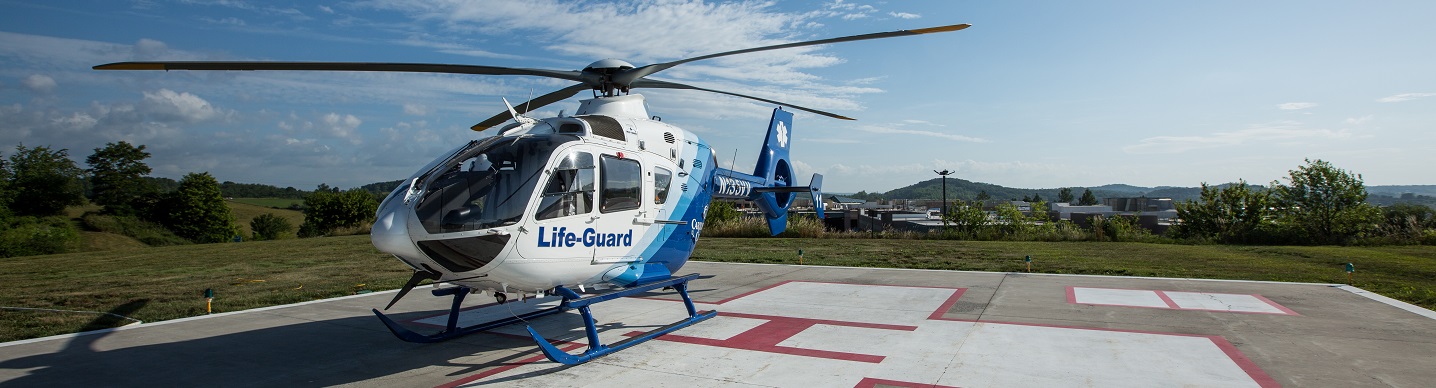
Why a Level I Trauma Center Matters
Get Care at Carilion Children's
Whether you're looking for a specialist, finding a convenient location, or scheduling an appointment, we're here to help your child get the care they need.
Get Care at Carilion Children's
Whether you're looking for a specialist, finding a convenient location, or scheduling an appointment, we're here to help your child get the care they need.
Get Care at Carilion Children's
Whether you're looking for a specialist, finding a convenient location, or scheduling an appointment, we're here to help your child get the care they need.
Get Care at Carilion Children's
Whether you're looking for a specialist, finding a convenient location, or scheduling an appointment, we're here to help your child get the care they need.