Cancer Surgery
Cancer Surgery
Cancer Surgery
An operation to remove a tumor may be the first, and only, treatment needed for some cancers. Often, though, cancer surgery is just one of the steps along your cancer care journey.
At Carilion Clinic we bring together a highly skilled team of experts to fight your cancer. We use the latest techniques, tools, and approaches to make cancer surgery effective as possible and reduce your recovery time.
An operation to remove a tumor may be the first, and only, treatment needed for some cancers. Often, though, cancer surgery is just one of the steps along your cancer care journey.
At Carilion Clinic we bring together a highly skilled team of experts to fight your cancer. We use the latest techniques, tools, and approaches to make cancer surgery effective as possible and reduce your recovery time.
Cancer surgery is a general term that includes many types of operations. Cancer surgery can:
- Remove a tumor
- Take a sample of the cancer
- Relieve symptoms
- Help other treatments like chemotherapy or radiation work better
Before surgery, you’ll meet with your care team to review the plan and ask questions. After surgery, you may stay in the hospital or go home the same day. Cancer surgeries take place in an operating room, either in a hospital or outpatient center.
Your team will help guide you every step of the way—from planning to recovery.
The cancer surgery team members can include:
- Cancer surgeon: Removes as much of the cancer as possible while protecting healthy tissue
- Anesthesiologist: Makes sure you're safely asleep or numb during surgery and monitors your vital signs
- Pathologist: Examines tissue under a microscope to confirm the cancer type and whether it was fully removed
- Radiologist: Uses imaging tools like CT or MRI to help guide surgery planning
- Nurses: Support you before, during, and after surgery, manage medicines, and help with recovery
- Technicians: Operate equipment and assist with imaging, lab tests, or the surgery
- Educators: Help you and your family understand the surgery, what to expect, and how to care for yourself afterward
Goals of cancer surgery
Sometimes, cancer surgery is the only treatment you need. And sometimes an operation isn’t needed at all. For example, a surgery doesn't cure blood cancer or cancer that has already spread widely. It all depends on the goal of the surgery as a part of the cancer care plan.
The first goal of a cancer operation can be to take out all of the cancer we can see, image, or feel. Our surgeons, radiologists, and pathologists work hand in hand to make this happen.
For your best outcome, the second goal is to remove the least amount of normal tissue. How “easy” that is depends a lot on the size and location of a cancer. For colon cancer, there may be plenty of healthy intestine to work with when removing the tumor. But surgery on the brain or spinal cord is very delicate and the surgeon will aim to take just the tiniest rim of normal tissue.
A third goal of a cancer operation can be “debulking.” For larger tumors, where removing all the cancer isn’t possible, it can make other cancer treatments work better. It can also help relieve cancer symptoms, like pain or pressure.
A fourth goal of an operation may be to get a sample for diagnosis. This is a biopsy.
A fifth goal is to find out how far cancer has spread. This can include removing and testing lymph nodes for cancer. Doctors call this “staging.” After diagnosis, this may be the most crucial next step in creating a care plan.
What Is Cancer Surgery?
Cancer surgery is a general term that includes many types of operations. Cancer surgery can:
- Remove a tumor
- Take a sample of the cancer
- Relieve symptoms
- Help other treatments like chemotherapy or radiation work better
Before surgery, you’ll meet with your care team to review the plan and ask questions. After surgery, you may stay in the hospital or go home the same day. Cancer surgeries take place in an operating room, either in a hospital or outpatient center.
Your team will help guide you every step of the way—from planning to recovery.
The cancer surgery team members can include:
- Cancer surgeon: Removes as much of the cancer as possible while protecting healthy tissue
- Anesthesiologist: Makes sure you're safely asleep or numb during surgery and monitors your vital signs
- Pathologist: Examines tissue under a microscope to confirm the cancer type and whether it was fully removed
- Radiologist: Uses imaging tools like CT or MRI to help guide surgery planning
- Nurses: Support you before, during, and after surgery, manage medicines, and help with recovery
- Technicians: Operate equipment and assist with imaging, lab tests, or the surgery
- Educators: Help you and your family understand the surgery, what to expect, and how to care for yourself afterward
Goals of cancer surgery
Sometimes, cancer surgery is the only treatment you need. And sometimes an operation isn’t needed at all. For example, a surgery doesn't cure blood cancer or cancer that has already spread widely. It all depends on the goal of the surgery as a part of the cancer care plan.
The first goal of a cancer operation can be to take out all of the cancer we can see, image, or feel. Our surgeons, radiologists, and pathologists work hand in hand to make this happen.
For your best outcome, the second goal is to remove the least amount of normal tissue. How “easy” that is depends a lot on the size and location of a cancer. For colon cancer, there may be plenty of healthy intestine to work with when removing the tumor. But surgery on the brain or spinal cord is very delicate and the surgeon will aim to take just the tiniest rim of normal tissue.
A third goal of a cancer operation can be “debulking.” For larger tumors, where removing all the cancer isn’t possible, it can make other cancer treatments work better. It can also help relieve cancer symptoms, like pain or pressure.
A fourth goal of an operation may be to get a sample for diagnosis. This is a biopsy.
A fifth goal is to find out how far cancer has spread. This can include removing and testing lymph nodes for cancer. Doctors call this “staging.” After diagnosis, this may be the most crucial next step in creating a care plan.
The type of operation you need depends on your cancer type, location, how much tissue the surgeon needs to remove.
Your cancer care team may offer more than one option. Your input is part of the planning. Your surgical team will help guide you to the right choice for your cancer.
When time permits, we welcome second opinions. It's common for us to work with another expert.
Inpatient versus outpatient
If you need to stay in the hospital after your surgery depends on the type of surgery and your general health.
At Carilion we have the latest equipment to do cancer surgery in the hospital if you need an inpatient stay. If you can go home after, you can visit one of our many outpatient surgical centers.
We do cancer surgery at several sites in the Roanoke Valley, two sites in the New River Valley, the Rockbridge region, and in Franklin County. Ask about a center near where you live.
Open versus minimally invasive
Throughout the history of medicine, the surgeon needed to open the body to see and feel inside of it. This requires an incision large enough to shine a light and get fingers to the tumor.
Called “traditional” or “open” surgery, we still sometimes need to use this type of operation. But we're always finding new ways to get cancers through smaller and smaller incisions. These are less invasive or minimally invasive techniques.
They involve either no incision or small incisions (often several). They allow small cameras, and lights, and cutting tools with suction in to access the tumor. The surgeon uses these tools to diagnose, biopsy, and often remove a tumor.
Types of less invasive surgery include:
- Videoscopic surgery: The surgeon uses a mobile camera to see inside and help them remove tumors. Depending on the size and location of the cancer a larger incision may be necessary. Your surgical team is “hands on” when a videoscope is being used.
- Robotic surgery: The surgeon (actually just a few feet away from you) uses a surgical robot to move and position tools. The robot actually mimics the exact movements of the surgeon’s hands deep inside the body. It can be extremely accurate and uses the smallest of openings. But it's not an option for all cancer surgeries.
- Endoscopic surgery: Sometimes we can get to the cancer, not by cutting the skin, but through a natural body opening. These include the mouth, nose, anus, urethra, or vagina. If we can access the cancer this way and it's small enough to remove completely, we can cure you without any cuts on the skin at all.
Types of Cancer Surgery
The type of operation you need depends on your cancer type, location, how much tissue the surgeon needs to remove.
Your cancer care team may offer more than one option. Your input is part of the planning. Your surgical team will help guide you to the right choice for your cancer.
When time permits, we welcome second opinions. It's common for us to work with another expert.
Inpatient versus outpatient
If you need to stay in the hospital after your surgery depends on the type of surgery and your general health.
At Carilion we have the latest equipment to do cancer surgery in the hospital if you need an inpatient stay. If you can go home after, you can visit one of our many outpatient surgical centers.
We do cancer surgery at several sites in the Roanoke Valley, two sites in the New River Valley, the Rockbridge region, and in Franklin County. Ask about a center near where you live.
Open versus minimally invasive
Throughout the history of medicine, the surgeon needed to open the body to see and feel inside of it. This requires an incision large enough to shine a light and get fingers to the tumor.
Called “traditional” or “open” surgery, we still sometimes need to use this type of operation. But we're always finding new ways to get cancers through smaller and smaller incisions. These are less invasive or minimally invasive techniques.
They involve either no incision or small incisions (often several). They allow small cameras, and lights, and cutting tools with suction in to access the tumor. The surgeon uses these tools to diagnose, biopsy, and often remove a tumor.
Types of less invasive surgery include:
- Videoscopic surgery: The surgeon uses a mobile camera to see inside and help them remove tumors. Depending on the size and location of the cancer a larger incision may be necessary. Your surgical team is “hands on” when a videoscope is being used.
- Robotic surgery: The surgeon (actually just a few feet away from you) uses a surgical robot to move and position tools. The robot actually mimics the exact movements of the surgeon’s hands deep inside the body. It can be extremely accurate and uses the smallest of openings. But it's not an option for all cancer surgeries.
- Endoscopic surgery: Sometimes we can get to the cancer, not by cutting the skin, but through a natural body opening. These include the mouth, nose, anus, urethra, or vagina. If we can access the cancer this way and it's small enough to remove completely, we can cure you without any cuts on the skin at all.
Your surgical cancer team depends on your type of cancer and how difficult it may be to remove. We bring you specialized care through our partnerships with Blue Ridge Cancer Care, Dominion Pathology, and the Massey Cancer Center at Virginia Commonwealth University.
General cancer surgeons
- General surgeons: May remove common tumors of the breast, skin, endocrine system, or gastrointestinal tract, such as colon cancer.
- Surgical oncologists: Surgeons with fellowship training, and specialized skills in the treatment of complex cancers involving the gastrointestinal tract and soft tissues.
- Pediatric surgeons: Surgeons with fellowship training and specialized skills in the treatment of cancers in kids and teens.
- Plastic and reconstructive surgeons: After cancer surgery, you may need additional procedures to help rebuild and restore your body—improving both function and appearance. Our surgeons can do amazing things.
Organ- or system-specific surgeons
- Breast surgeons: Trained in removing breast tumors, both cancer and benign.
- Thoracic surgeons: They remove lung, esophageal, and chest wall cancers.
- Colorectal surgeons: Trained in diseases of the large intestine and anus, both cancer and benign.
- Gynecologic oncologists: Trained in surgery of the female organs and can give cancer medicines.
- Neurosurgeons: Trained in either adult or pediatric surgery. They remove brain and spinal cord tumors.
- Otolaryngologists: Specialty trained in cancers of the head and neck.
- Oral and maxillofacial surgeons: Specialty trained in tumor removal and reconstruction of the mouth and face.
- Orthopaedic oncologists: They remove cancerous bone lesions and soft tissue tumors.
- Urologists: Specialty trained in adult or pediatric surgery. They remove genitourinary tract cancers, including prostate, bladder, testicle, and kidney cancer.
Other doctors who remove cancer without major surgery
- Endoscopic specialists: A variety of experts who can diagnose, treat, and remove tumors that are accessible by a flexible scope
- Pulmonologists: Specialty trained in use of bronchoscopes and the Ion system for diagnosis and treatment of lung cancer
- Dermatologists: Remove skin cancer, including doing Mohs surgery
The Surgical Care Team
Your surgical cancer team depends on your type of cancer and how difficult it may be to remove. We bring you specialized care through our partnerships with Blue Ridge Cancer Care, Dominion Pathology, and the Massey Cancer Center at Virginia Commonwealth University.
General cancer surgeons
- General surgeons: May remove common tumors of the breast, skin, endocrine system, or gastrointestinal tract, such as colon cancer.
- Surgical oncologists: Surgeons with fellowship training, and specialized skills in the treatment of complex cancers involving the gastrointestinal tract and soft tissues.
- Pediatric surgeons: Surgeons with fellowship training and specialized skills in the treatment of cancers in kids and teens.
- Plastic and reconstructive surgeons: After cancer surgery, you may need additional procedures to help rebuild and restore your body—improving both function and appearance. Our surgeons can do amazing things.
Organ- or system-specific surgeons
- Breast surgeons: Trained in removing breast tumors, both cancer and benign.
- Thoracic surgeons: They remove lung, esophageal, and chest wall cancers.
- Colorectal surgeons: Trained in diseases of the large intestine and anus, both cancer and benign.
- Gynecologic oncologists: Trained in surgery of the female organs and can give cancer medicines.
- Neurosurgeons: Trained in either adult or pediatric surgery. They remove brain and spinal cord tumors.
- Otolaryngologists: Specialty trained in cancers of the head and neck.
- Oral and maxillofacial surgeons: Specialty trained in tumor removal and reconstruction of the mouth and face.
- Orthopaedic oncologists: They remove cancerous bone lesions and soft tissue tumors.
- Urologists: Specialty trained in adult or pediatric surgery. They remove genitourinary tract cancers, including prostate, bladder, testicle, and kidney cancer.
Other doctors who remove cancer without major surgery
- Endoscopic specialists: A variety of experts who can diagnose, treat, and remove tumors that are accessible by a flexible scope
- Pulmonologists: Specialty trained in use of bronchoscopes and the Ion system for diagnosis and treatment of lung cancer
- Dermatologists: Remove skin cancer, including doing Mohs surgery
Some cancer surgeries are more complex than others and can lead to serious side effects. Your surgical team will help you understand what's ahead.
We even have therapists who specialize in rehabilitation and “prehabilitation.” Our team of therapists watch for the predictable side effects and ward them off ahead of time. This is helpful in cancer surgeries that may lead to fluid buildup, pain issues, diet problems, or stiff joints.
In general, common risks include:
- Reaction to the anesthesia
- Pain from wounds
- Infection
- Bleeding
- Damage to nearby tissue
- Fluid build-up from removing lymph nodes
- Loss of normal function
Risks of Cancer Surgery
Some cancer surgeries are more complex than others and can lead to serious side effects. Your surgical team will help you understand what's ahead.
We even have therapists who specialize in rehabilitation and “prehabilitation.” Our team of therapists watch for the predictable side effects and ward them off ahead of time. This is helpful in cancer surgeries that may lead to fluid buildup, pain issues, diet problems, or stiff joints.
In general, common risks include:
- Reaction to the anesthesia
- Pain from wounds
- Infection
- Bleeding
- Damage to nearby tissue
- Fluid build-up from removing lymph nodes
- Loss of normal function


Carilion is nationally ranked by U.S. News & World Report for colorectal, prostate, lung, and gynecologic cancer surgery, offering excellent outcomes, nursing care, and patient experience.

Tumor board review
Our team of experts meets regularly to discuss and adjust your cancer treatment plan. It's the backbone of our holistic approach to cancer care.
Why Choose Carilion Clinic?
Carilion is nationally ranked by U.S. News & World Report for colorectal, prostate, lung, and gynecologic cancer surgery, offering excellent outcomes, nursing care, and patient experience.
Health and Wellness

The Psychological Impact of Cancer

Navigating Nutrition During Cancer Treatment
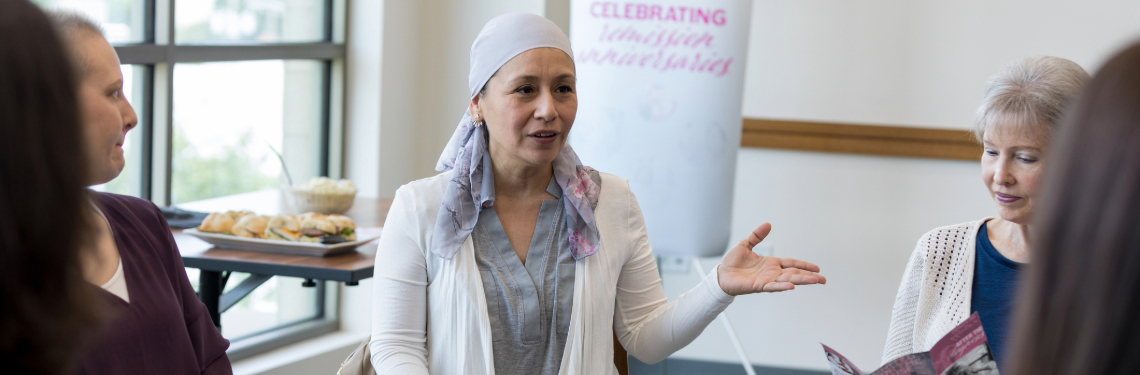
The Four Pillars of Cancer Survivorship
Get Care at Carilion Clinic
Your path to better health starts here. Explore comprehensive care options and find the support you need for every step of your wellness journey.
Get Care at Carilion Clinic
Your path to better health starts here. Explore comprehensive care options and find the support you need for every step of your wellness journey.
Get Care at Carilion Clinic
Your path to better health starts here. Explore comprehensive care options and find the support you need for every step of your wellness journey.
Get Care at Carilion Clinic
Your path to better health starts here. Explore comprehensive care options and find the support you need for every step of your wellness journey.