Skin Cancer
Skin Cancer
Skin Cancer
Most of us have freckles, moles, or other marks on our skin. These usually stay the same or change very slowly over time. But if a spot starts changing quickly, looks different from others, or doesn’t heal, it could be a sign of skin cancer.
You may not notice these changes at first. You may think it’s normal skin changes or signs of aging. At Carilion Clinic, you’ll find a team who can check your skin and help if something looks abnormal. The good news is that most skin cancers are treatable when caught early.
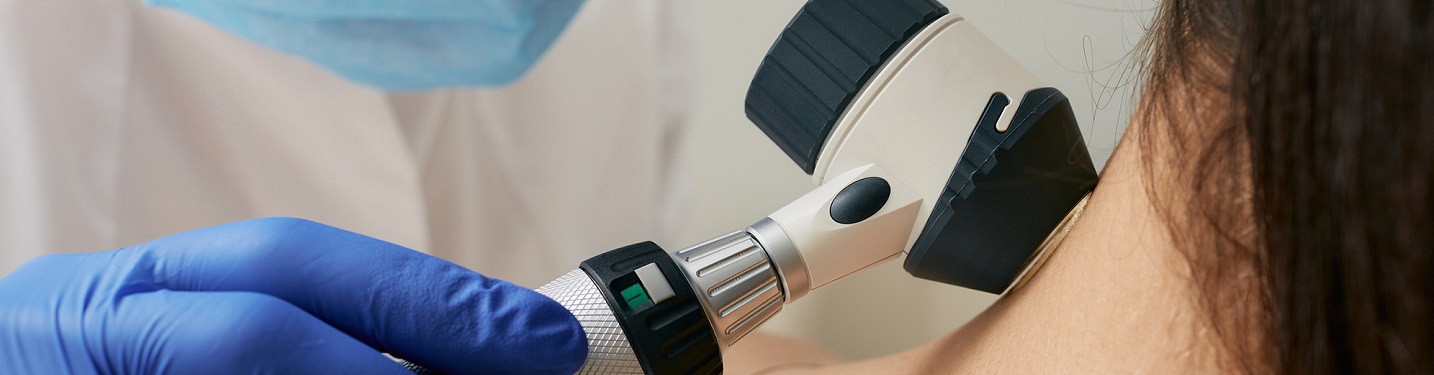
Our primary care doctors and dermatologists know what skin cancer looks like. They use the most advanced tools to find and treat skin cancer.
As a destination for cancer care, we bring many experts together to create the best treatment plan. Our cancer experts work together to ensure each person gets the best treatment.
Most of us have freckles, moles, or other marks on our skin. These usually stay the same or change very slowly over time. But if a spot starts changing quickly, looks different from others, or doesn’t heal, it could be a sign of skin cancer.
You may not notice these changes at first. You may think it’s normal skin changes or signs of aging. At Carilion Clinic, you’ll find a team who can check your skin and help if something looks abnormal. The good news is that most skin cancers are treatable when caught early.
Our primary care doctors and dermatologists know what skin cancer looks like. They use the most advanced tools to find and treat skin cancer.
As a destination for cancer care, we bring many experts together to create the best treatment plan. Our cancer experts work together to ensure each person gets the best treatment.
Skin cancer occurs when skin cells start to grow out of control. This damage usually happens because of sun exposure. Everyone is at risk of developing skin cancer, regardless of skin color. Skin cancer can be more difficult to detect on darker skin.
People who have fair skin, spend a lot of time outdoors, or have weak immune systems have the highest risk of developing skin cancers.
Wear sunscreen and cover up to protect your skin from the sun’s harmful rays.
Skin cancer typically appears as a new spot or as mole that changes shape, color, bleeds, or oozes. Tell your primary care team or a dermatologist if you notice these signs.
What Is Skin Cancer?
Skin cancer occurs when skin cells start to grow out of control. This damage usually happens because of sun exposure. Everyone is at risk of developing skin cancer, regardless of skin color. Skin cancer can be more difficult to detect on darker skin.
People who have fair skin, spend a lot of time outdoors, or have weak immune systems have the highest risk of developing skin cancers.
Wear sunscreen and cover up to protect your skin from the sun’s harmful rays.
Skin cancer typically appears as a new spot or as mole that changes shape, color, bleeds, or oozes. Tell your primary care team or a dermatologist if you notice these signs.
Skin cancer can occur on any part of your skin, including around your nails and the bottom of your feet.
Basal cell carcinoma
Basal cell carcinoma (BCC) is the most common type of skin cancer. These cancers are most common in sun exposed parts of the body like the face, head, neck, and arms. They look like pink bumps on the skin.
BCC tends to grow slowly and rarely spreads. If left untreated, BCC can damage the surrounding skin and destroy the underlying structures.
Squamous cell carcinoma
Squamous cell carcinoma (SCC) is another common type of skin cancer. They often look like crusted, warty growths on the skin.
These cancers are most common on chronically sun exposed body sites like the face, lips, ears, neck, arms, and backs of the hands.
Melanoma
Melanoma starts in the color-making cells in the skin. It’s the most aggressive but less common than BCC or SCC. Melanoma’s usually have a bluish or black color and can sometimes develop from moles. Melanoma can occur in unusual places, including the nails, eyes, and even inside the body.
Melanoma has a reputation for its ability to spread quickly. But even so, melanoma is curable about 90% of the time, especially when caught early.
Types of Skin Cancer
Skin cancer can occur on any part of your skin, including around your nails and the bottom of your feet.
Basal cell carcinoma
Basal cell carcinoma (BCC) is the most common type of skin cancer. These cancers are most common in sun exposed parts of the body like the face, head, neck, and arms. They look like pink bumps on the skin.
BCC tends to grow slowly and rarely spreads. If left untreated, BCC can damage the surrounding skin and destroy the underlying structures.
Squamous cell carcinoma
Squamous cell carcinoma (SCC) is another common type of skin cancer. They often look like crusted, warty growths on the skin.
These cancers are most common on chronically sun exposed body sites like the face, lips, ears, neck, arms, and backs of the hands.
Melanoma
Melanoma starts in the color-making cells in the skin. It’s the most aggressive but less common than BCC or SCC. Melanoma’s usually have a bluish or black color and can sometimes develop from moles. Melanoma can occur in unusual places, including the nails, eyes, and even inside the body.
Melanoma has a reputation for its ability to spread quickly. But even so, melanoma is curable about 90% of the time, especially when caught early.
Skin cancer is very common and often very treatable. Treatment depends on the type of cancer, genetics, and patient’s overall health.
For many skin cancers, treatment starts with surgery. For most basal or squamous skin cancers, surgery is usually the only treatment needed.
Depending on the aggressiveness of your cancer, you may need other types of treatment, like radiation, chemotherapy, immune therapy, and targeted treatments. Some early skin cancers can be treated with a cream or an injection. Your care team will decide which treatment is best for you.
Cancer surgery
The most common surgery for skin cancer is Mohs surgery. During Mohs surgery, the surgeon removes the cancer in thin layers, checking for cancer cells under the microscope after each layer. They continue removing thin layers until they no longer see any cancer cells under the microscope.
With this technique, the surgeon ensures all the skin cancer cells are removed while saving as much healthy tissue as possible. This allows for high cure rates and small scars.
Other types of surgery for skin cancer may include:
- Excision: This surgery cuts out the tumor and some of the normal tissue around it
- Shave excision: Shaves the cancer off with a small blade
- Electrosurgery: Uses electricity to destroy cancer
- Cryosurgery: Cancer cells are destroyed by freezing
After the surgeon removes the tumor, there may be a visible scar or indentation. At Carilion, our physicians do everything possible to make those scars as imperceptible as possible.
Radiation therapy
Radiation is often used to treat many types of skin cancers. Radiation can be used after surgery to decrease the chances of aggressive cancers returning. Sophisticated machinery, scanners, and molding devices ensure the cancer is the target, not the surrounding healthy cells.
Cancer medicines
In some cases, you may need cancer medicines to treat your skin cancer. Cancer medicines travel through the body. They can kill or control the growth of skin cancer cells that have spread.
Systemic cancer medicines that we may use for skin cancer include:
- Immunotherapy: Medicines that boost your immune system to attack cancer cells
- Targeted therapy: These medicines target specific genetic mutations found in some cancers
How We Treat Skin Cancer
Skin cancer is very common and often very treatable. Treatment depends on the type of cancer, genetics, and patient’s overall health.
For many skin cancers, treatment starts with surgery. For most basal or squamous skin cancers, surgery is usually the only treatment needed.
Depending on the aggressiveness of your cancer, you may need other types of treatment, like radiation, chemotherapy, immune therapy, and targeted treatments. Some early skin cancers can be treated with a cream or an injection. Your care team will decide which treatment is best for you.
Cancer surgery
The most common surgery for skin cancer is Mohs surgery. During Mohs surgery, the surgeon removes the cancer in thin layers, checking for cancer cells under the microscope after each layer. They continue removing thin layers until they no longer see any cancer cells under the microscope.
With this technique, the surgeon ensures all the skin cancer cells are removed while saving as much healthy tissue as possible. This allows for high cure rates and small scars.
Other types of surgery for skin cancer may include:
- Excision: This surgery cuts out the tumor and some of the normal tissue around it
- Shave excision: Shaves the cancer off with a small blade
- Electrosurgery: Uses electricity to destroy cancer
- Cryosurgery: Cancer cells are destroyed by freezing
After the surgeon removes the tumor, there may be a visible scar or indentation. At Carilion, our physicians do everything possible to make those scars as imperceptible as possible.
Radiation therapy
Radiation is often used to treat many types of skin cancers. Radiation can be used after surgery to decrease the chances of aggressive cancers returning. Sophisticated machinery, scanners, and molding devices ensure the cancer is the target, not the surrounding healthy cells.
Cancer medicines
In some cases, you may need cancer medicines to treat your skin cancer. Cancer medicines travel through the body. They can kill or control the growth of skin cancer cells that have spread.
Systemic cancer medicines that we may use for skin cancer include:
- Immunotherapy: Medicines that boost your immune system to attack cancer cells
- Targeted therapy: These medicines target specific genetic mutations found in some cancers


When you're dealing with skin cancer, you want the best treatment. At Carilion, we offer the best treatments and results.

Mohs surgery specialists
We have the only fellowship trained Mohs surgery specialists in the region. Each year, we perform 1,700+ Mohs surgeries.
Why Choose Carilion Clinic?
When you're dealing with skin cancer, you want the best treatment. At Carilion, we offer the best treatments and results.
Health and Wellness
Understanding Treatment Options for Skin Cancer

Prevent and Detect Skin Cancer

Nutrition for Cancer Patients: Fuel Your Body to Stay Well
Get Care at Carilion Clinic
Your path to better health starts here. Explore comprehensive care options and find the support you need for every step of your wellness journey.
Get Care at Carilion Clinic
Your path to better health starts here. Explore comprehensive care options and find the support you need for every step of your wellness journey.
Get Care at Carilion Clinic
Your path to better health starts here. Explore comprehensive care options and find the support you need for every step of your wellness journey.
Get Care at Carilion Clinic
Your path to better health starts here. Explore comprehensive care options and find the support you need for every step of your wellness journey.