Bone and Soft Tissue Cancers
Bone and Soft Tissue Cancers
Bone and Soft Tissue Cancers
Most cancers grow in specific organs, like your liver or brain. But some cancers develop in other tissues of the body, such as muscles, fat, blood vessels, or bones. These rare cancers are sarcomas.
Many people with bone or soft tissue cancers feel and look healthy, even while a tumor is growing.
At Carilion Clinic, our cancer care experts stay at the forefront of sarcoma care. We treat adults through our Carilion Oncology teams and children through our Carilion Children’s Hematology-Oncology teams.
We guide you every step of the way through diagnosis, treatment, and recovery.
Most cancers grow in specific organs, like your liver or brain. But some cancers develop in other tissues of the body, such as muscles, fat, blood vessels, or bones. These rare cancers are sarcomas.
Many people with bone or soft tissue cancers feel and look healthy, even while a tumor is growing.
At Carilion Clinic, our cancer care experts stay at the forefront of sarcoma care. We treat adults through our Carilion Oncology teams and children through our Carilion Children’s Hematology-Oncology teams.
We guide you every step of the way through diagnosis, treatment, and recovery.
Tumors that grow from the cells in your bones and soft tissues are often called sarcomas. They're a rare type of cancers that start in the connective tissue. This includes the muscles, fat, blood vessels, or bones.
They can occur at any age. Certain types are more prevalent in kids, teens, or young adults. These cancers often appear as a lump or swelling that may or may not be painful. Other symptoms can include bone pain, trouble moving a limb, or feeling tired.
Early diagnosis and treatment are important, so it’s a good idea to talk to a doctor if any unusual lumps or pain don’t go away.
What Are Bone and Soft Tissue Cancers?
Tumors that grow from the cells in your bones and soft tissues are often called sarcomas. They're a rare type of cancers that start in the connective tissue. This includes the muscles, fat, blood vessels, or bones.
They can occur at any age. Certain types are more prevalent in kids, teens, or young adults. These cancers often appear as a lump or swelling that may or may not be painful. Other symptoms can include bone pain, trouble moving a limb, or feeling tired.
Early diagnosis and treatment are important, so it’s a good idea to talk to a doctor if any unusual lumps or pain don’t go away.
We treat all types of bone and soft tissue cancers. Some types are more common in kids, while others usually appear in adults.
Bone cancers
These cancers begin in the bones themselves. They include:
- Osteosarcoma: The most common bone cancer in teens and young adults. It can also occur in older adults, especially those with certain bone conditions.
- Chondrosarcoma: A slow-growing cancer that starts in cartilage. It mostly affects adults over age 40.
- Ewing sarcoma: Often found in kids and teens. It can grow in the bones or nearby soft tissues. This is one of the more aggressive types of sarcoma.
- Chordoma: A very rare cancer that usually forms at the base of the spine or skull. Most often seen in adults over age 30.
- Undifferentiated pleomorphic sarcoma of bone: A rare, fast-growing cancer. It tends to affect older adults.
Soft tissue cancers
These begin in the muscles, fat, nerves, blood vessels, or other soft tissues.
Soft tissue cancers that are more common in adults include:
- Undifferentiated pleomorphic sarcoma: One of the most common soft tissue sarcomas in adults. It can grow quickly and often starts in the arms or legs.
- Liposarcoma: Starts in fat tissue, usually in the arms, legs, or abdomen.
- Leiomyosarcoma: Develops in smooth muscle, often in the uterus, digestive tract, or blood vessels.
- Angiosarcoma: Forms in the lining of blood or lymph vessels. It can affect the skin, breasts, or liver.
- Dermatofibrosarcoma protuberans: A slow-growing cancer that begins in the skin and nearby tissues.
- Malignant peripheral nerve sheath tumor: A rare cancer that grows in the protective lining of nerves. It can affect people with or without a genetic neurological condition called neurofibromatosis.
Soft tissue cancers more common in children and young adults include:
- Rhabdomyosarcoma: A cancer that starts in skeletal muscle. Most common in children under age 10 but can also affect teens and young adults.
- Synovial sarcoma: Grows near joints, such as the knee or ankle. Most often, it affects teens and young adults, but can occur at any age.
Types of Bone and Soft Tissue Cancers
We treat all types of bone and soft tissue cancers. Some types are more common in kids, while others usually appear in adults.
Bone cancers
These cancers begin in the bones themselves. They include:
- Osteosarcoma: The most common bone cancer in teens and young adults. It can also occur in older adults, especially those with certain bone conditions.
- Chondrosarcoma: A slow-growing cancer that starts in cartilage. It mostly affects adults over age 40.
- Ewing sarcoma: Often found in kids and teens. It can grow in the bones or nearby soft tissues. This is one of the more aggressive types of sarcoma.
- Chordoma: A very rare cancer that usually forms at the base of the spine or skull. Most often seen in adults over age 30.
- Undifferentiated pleomorphic sarcoma of bone: A rare, fast-growing cancer. It tends to affect older adults.
Soft tissue cancers
These begin in the muscles, fat, nerves, blood vessels, or other soft tissues.
Soft tissue cancers that are more common in adults include:
- Undifferentiated pleomorphic sarcoma: One of the most common soft tissue sarcomas in adults. It can grow quickly and often starts in the arms or legs.
- Liposarcoma: Starts in fat tissue, usually in the arms, legs, or abdomen.
- Leiomyosarcoma: Develops in smooth muscle, often in the uterus, digestive tract, or blood vessels.
- Angiosarcoma: Forms in the lining of blood or lymph vessels. It can affect the skin, breasts, or liver.
- Dermatofibrosarcoma protuberans: A slow-growing cancer that begins in the skin and nearby tissues.
- Malignant peripheral nerve sheath tumor: A rare cancer that grows in the protective lining of nerves. It can affect people with or without a genetic neurological condition called neurofibromatosis.
Soft tissue cancers more common in children and young adults include:
- Rhabdomyosarcoma: A cancer that starts in skeletal muscle. Most common in children under age 10 but can also affect teens and young adults.
- Synovial sarcoma: Grows near joints, such as the knee or ankle. Most often, it affects teens and young adults, but can occur at any age.
We use a variety of cancer treatments to remove or shrink sarcomas and prevent them from spreading. Your care plan depends on the type of cancer, where it is in the body, whether it has spread, and your age and overall health.
Cancer surgery
The main treatment for most sarcomas is cancer surgery. Cancer surgeons work to remove the entire tumor. They also remove a margin of healthy tissue around the tumor to lower the risk of the cancer coming back.
Cancer surgery is usually used along with other treatments, either before or after.
Radiation therapy
Also called radiotherapy, it uses high-energy beams to kill cancer cells. The radiation comes from a machine outside the body.
Radiotherapy before surgery can help shrink a tumor and lead to a better surgery result. After surgery, radiation can help destroy any cancer cells left in the area.
Cancer medicines
We use medicines that can travel through the bloodstream to destroy cancer cells.
Cancer medicines for sarcomas may include:
- Chemotherapy: These drugs kill rapidly growing cells, such as cancer cells. It's most often used in childhood sarcomas, like Ewing sarcoma or rhabdomyosarcoma.
- Targeted therapy and immunotherapy: These medicines target specific genes or proteins the cancer makes. We may use these in advanced or hard-to-treat cancers. Some are only available through clinical trials.
Clinical trials
Clinical trials are another way to fight cancer. We usually compare a new medicine or protocol to the current best therapy in a trial. Your care team may ask you to consider a trial when studying a new and exciting way to treat cancer.
These studies are voluntary; you'll talk to your care team before enrolling. A trial can be a first treatment option or an option if your treatment stops working.
How We Treat Bone and Soft Tissue Cancers
We use a variety of cancer treatments to remove or shrink sarcomas and prevent them from spreading. Your care plan depends on the type of cancer, where it is in the body, whether it has spread, and your age and overall health.
Cancer surgery
The main treatment for most sarcomas is cancer surgery. Cancer surgeons work to remove the entire tumor. They also remove a margin of healthy tissue around the tumor to lower the risk of the cancer coming back.
Cancer surgery is usually used along with other treatments, either before or after.
Radiation therapy
Also called radiotherapy, it uses high-energy beams to kill cancer cells. The radiation comes from a machine outside the body.
Radiotherapy before surgery can help shrink a tumor and lead to a better surgery result. After surgery, radiation can help destroy any cancer cells left in the area.
Cancer medicines
We use medicines that can travel through the bloodstream to destroy cancer cells.
Cancer medicines for sarcomas may include:
- Chemotherapy: These drugs kill rapidly growing cells, such as cancer cells. It's most often used in childhood sarcomas, like Ewing sarcoma or rhabdomyosarcoma.
- Targeted therapy and immunotherapy: These medicines target specific genes or proteins the cancer makes. We may use these in advanced or hard-to-treat cancers. Some are only available through clinical trials.
Clinical trials
Clinical trials are another way to fight cancer. We usually compare a new medicine or protocol to the current best therapy in a trial. Your care team may ask you to consider a trial when studying a new and exciting way to treat cancer.
These studies are voluntary; you'll talk to your care team before enrolling. A trial can be a first treatment option or an option if your treatment stops working.
Kids and adults have different care needs and respond differently to cancer treatments.
Children are more likely to:
- Receive chemotherapy for cancers like Ewing sarcoma or rhabdomyosarcoma
- Have a better response to chemotherapy and tolerate it differently than adults
- Get treated by a pediatric cancer team who cares for growing bodies and long-term survivorship
Adults are more likely to:
- Have cancers that respond better to surgery and radiation, such as chondrosarcoma or liposarcoma
- Deal with other health conditions that can affect treatment choices
- Get offered clinical trials for advanced sarcomas when standard treatments aren’t working
How Treatment Differs in Children and Adults
Kids and adults have different care needs and respond differently to cancer treatments.
Children are more likely to:
- Receive chemotherapy for cancers like Ewing sarcoma or rhabdomyosarcoma
- Have a better response to chemotherapy and tolerate it differently than adults
- Get treated by a pediatric cancer team who cares for growing bodies and long-term survivorship
Adults are more likely to:
- Have cancers that respond better to surgery and radiation, such as chondrosarcoma or liposarcoma
- Deal with other health conditions that can affect treatment choices
- Get offered clinical trials for advanced sarcomas when standard treatments aren’t working


At Carilion, our collaboration with Blue Ridge Cancer Center brings you expert care and treatment innovations. Whether you’ve just received a bone or soft tissue cancer diagnosis or are a cancer survivor, your care is our priority.

Tumor board review
Our team of experts meets regularly to discuss and adjust your cancer treatment plan. It's the backbone of our holistic approach to cancer care.
Why Choose Carilion Clinic?
At Carilion, our collaboration with Blue Ridge Cancer Center brings you expert care and treatment innovations. Whether you’ve just received a bone or soft tissue cancer diagnosis or are a cancer survivor, your care is our priority.
Health and Wellness
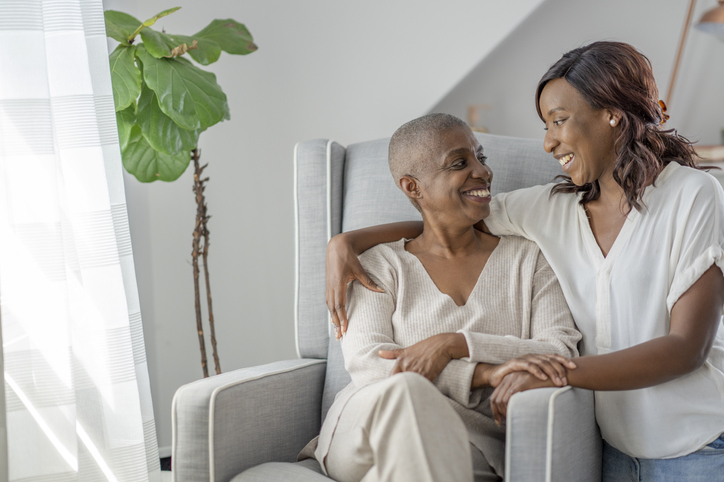
Are There Warning Signs of Cancer?
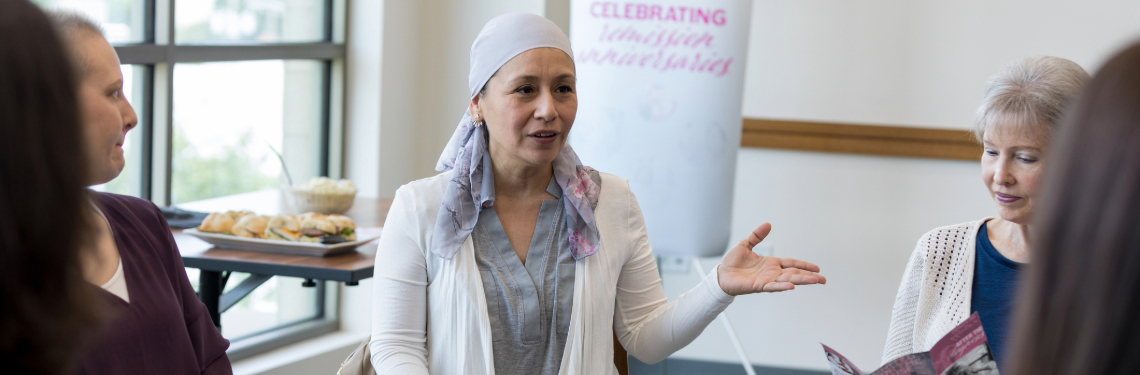
The Four Pillars of Cancer Survivorship

Mindfulness for Cancer Survivors
Get Care at Carilion Clinic
Your path to better health starts here. Explore comprehensive care options and find the support you need for every step of your wellness journey.
Get Care at Carilion Clinic
Your path to better health starts here. Explore comprehensive care options and find the support you need for every step of your wellness journey.
Get Care at Carilion Clinic
Your path to better health starts here. Explore comprehensive care options and find the support you need for every step of your wellness journey.
Get Care at Carilion Clinic
Your path to better health starts here. Explore comprehensive care options and find the support you need for every step of your wellness journey.