- Our environment has an impact on our state of mind, and misplacing items increases stress.
- A Carilion Clinic psychiatrist offers strategies for minimizing environmental stress.
- Learn how to make long-term changes to your environment that benefit you.
Even before coronavirus turned our homes into makeshift schools and offices, studies linked clutter to procrastination and overall life dissatisfaction, as well as higher levels of the stress hormone cortisol.
Anita Kablinger, MD, of Carilion Clinic’s Department of Psychiatry and Behavioral Medicine agrees.
“Clutter impacts productivity at home and at work,” she says. “Disorganized spaces increase anxiety and confusion, and anxiety has negative impacts on your physical health as well—blood pressure, sleep quality, even sugar control.”
That's not surprising, since the average American spends nearly an hour each day looking for lost or misplaced items!
Dr. Kablinger recommends thinking of visual clutter as you would auditory clutter.
“Too many stimuli around diminishes your ability to hear any one specific message,” she said. “The same is true for physical clutter around you.”
Focus and Prepare
However, even if you are surrounded by an abundance of things, Dr. Kablinger says you can avoid falling into the clutter-stress trap through focus, meditation, mindfulness, exercise and preparing for daily goals.
“These small-time commitments to redirect yourself pay off big in the rewards you achieve,” she said.
Dr. Kablinger uses “the 10/30 rule: 10 minutes each night to look at what I need to do the next day so I don’t get up and get ‘surprised’ by an event scheduled, and 30 minutes on Sunday to look at my week.”
She emphasizes the importance of scheduling these small spurts of time at your most productive time of day.
“Don’t tell yourself you will do it before bed,” she said. “It never works for me!”
Plan Ahead
There are as many approaches to decluttering as there are storage units you can rent, so it can seem overwhelming. To keep your attempt to reduce clutter from adding to your stress, try the following:
- Make it a household project so everyone contributes—and plan a celebration afterward!
- Keep the goal of a fresh, bright home in mind so you don't hit what Dr. Kablinger calls the “mental blockade of doing something I need to do rather than want to do”
- Start small and address one room or task at a time: winter clothes, then paperwork; bedroom, then car
- Work in short time periods—Dr. Kablinger likes to play songs by Madonna—and work on a specific area just until the song ends
- Donate the items that you don’t need, or host a socially distant yard sale
Gently used clothing, coats and shoes are always needed, and knowing you are helping someone else can help you feel good about decluttering.
Improve Your Home's Safety
If that’s not enough motivation to clean out your closets, cabinets and junk drawers, be aware that clutter is unsafe for:
- Babies
- Seniors who are prone to falls
- People with dementia
And Dr. Kablinger points out that personal clutter and disorganization is learned by your children and can be passed on, affecting their productivity and increasing their stress as well.
So open the windows and let some sunshine and fresh air replace the piles of unread books and unworn clothes in your home.
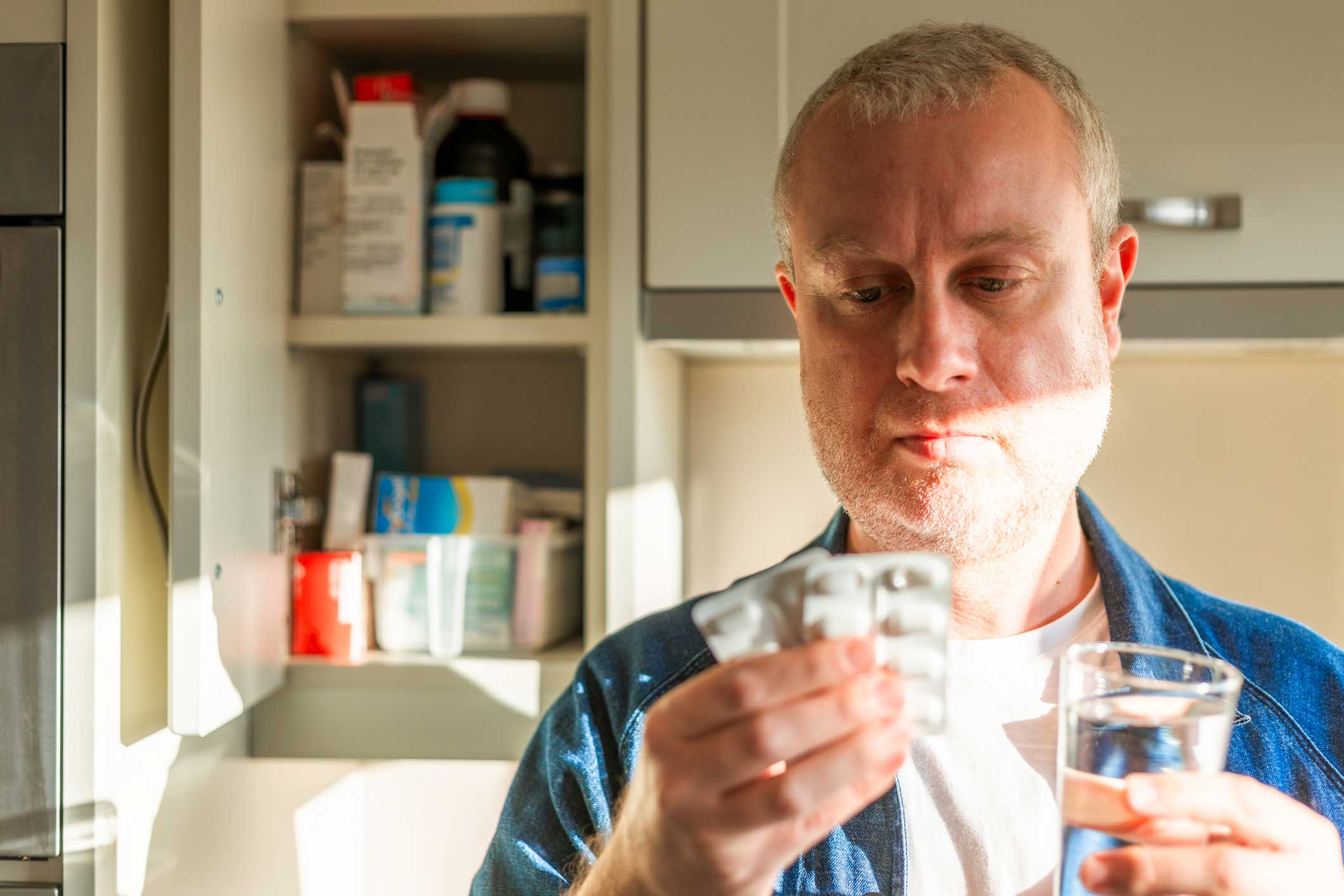
Clutter includes old prescriptions, over-the-counter medications and dietary supplements.
Don’t Re-Clutter!
Once your space is clean and clutter-free, you may be tempted to fill it back up again. Dr. Kablinger offers an alternative: Schedule your window-shopping time rather than going out on a whim, and leave your credit cards at home.
And when you’re tempted to buy things for others, remember that the satisfaction is fleeting.
“Buying a physical item for someone is not as satisfying as ‘buying time’ with them,” says Dr. Kablinger. Even if that time is still masked, socially distant or on video, spending time with friends and family can improve your health.
If you face challenges with clutter, stress or spending, reach out to your primary care physician for help.
________________
In addition to her work in Carilion Clinic’s Department of Psychiatry and Behavioral Medicine, Dr. Kablinger is a professor and director of clinical trials research at the Virginia Tech Carilion School of Medicine.