When the temperature rises and the wind dies down, it's time to go outside and get together with friends and family in parks, on trails and in the garden.
However, if you spend a lot of time outside, you just might end up with a case of poison ivy.
Plants in the poison ivy family are found in just about every state in the continental U.S., and they are very hard to get rid of.
Poison ivy is found just about everywhere, from wooded areas to open fields, from roadsides to riverbanks, and even in your own backyard.
The American Academy of Dermatology recommends covering up with long sleeves and pants when engaging in activities and outings where the likelihood of encountering poison ivy is high.
That's good advice, says Mariana Phillips, MD, Carilion Clinic's section chief for Dermatology and Mohs Surgery.
"Using an over-the-counter 'ivy blocker' lotion on your hands, arms and legs can provide extra protection and prevent development of the rash when exposed to the plant," she said.
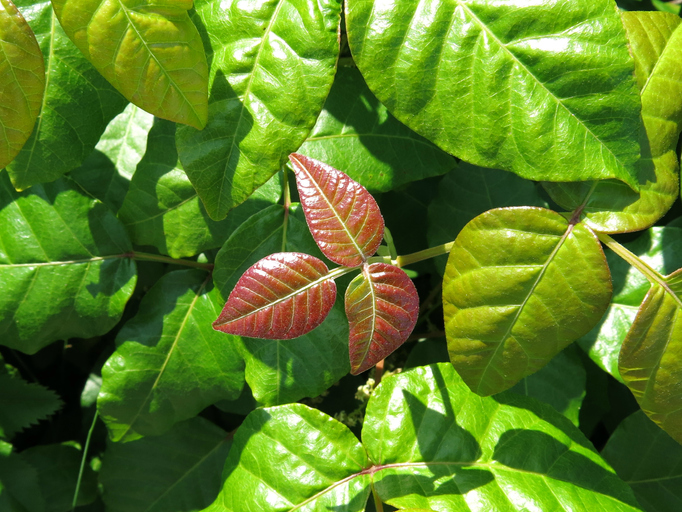
What Causes Poison Ivy
The poison ivy rash is caused from contact with the oily resin called urushiol, which can be found all over the plant: on the leaves, stems, flowers and roots.
You can get the rash from direct or indirect contact with the plant, so even petting your dog after he runs through the woods can result in a rash.
The rash is characterized by redness, swelling, itchiness and small or large blisters, often along a line where the plant touches your skin.
How To Treat Poison Ivy at Home
If you do happen to come in contact with the plant—or even worse, find those itchy red bumps on your skin—check out these six tips from Carilion Clinic Dermatology to treat it at home and keep it from spreading.
1. Wash Your Skin
Use lukewarm, soapy water to rinse off the urishiol oil. Oil that isn't washed off can spread from person to person and to other areas of your body.
2. Wash Your Clothing
Oil will stay on your clothing until it's washed off with soap and water.
3. Wash Everything Else
Urishiol oil will remain on anything that may have come into contact with the plant. This can include gardening tools, leashes and pets!
4. Avoid Scratching
Scratching increases your risk of infection.
5. Do Not Touch Blisters
If they pop, don't remove the skin, as it provides protection to the raw wound and prevents infection.
6. Ease Itching
Over-the-counter treatments include calamine lotion, hydrocortisone cream and cool compresses.
When To Seek Medical Care
See your primary care physician if your rash doesn't improve after seven to 10 days, or if it shows signs of infection:
- Swelling
- Growing redness
- Heat
- Tenderness to the touch
- Yellowish pus
- Fever