Painful Periods
Painful Periods
Painful Periods
More than half of the people who menstruate have some discomfort during their period. It may only last a day or two and consist of mild cramping and bloating.
But for some people, the pain of menstrual cramps is intense. It may keep them from work, school, and other activities a few days a month.
At Carilion Clinic, our OB/GYN care teams and midwives offer compassionate care for painful periods. Our goal is to ease your discomfort and get you back to your active lifestyle—every day of the month.
More than half of the people who menstruate have some discomfort during their period. It may only last a day or two and consist of mild cramping and bloating.
But for some people, the pain of menstrual cramps is intense. It may keep them from work, school, and other activities a few days a month.
At Carilion Clinic, our OB/GYN care teams and midwives offer compassionate care for painful periods. Our goal is to ease your discomfort and get you back to your active lifestyle—every day of the month.
Dysmenorrhea is the medical term for painful menstrual periods. The discomfort during your period may feel like a heaviness in your pelvis or a crampy, uncomfortable tugging. It may be mild or severe.
Period pain may feel different to different people. You may feel aching in your lower back or upper thighs. You might have breast pain or tenderness during your period.
When you have severe period cramps, you may also experience:
- Diarrhea
- Nausea
- Vomiting
- Light-headedness
- Headaches
What Is Dysmenorrhea?
Dysmenorrhea is the medical term for painful menstrual periods. The discomfort during your period may feel like a heaviness in your pelvis or a crampy, uncomfortable tugging. It may be mild or severe.
Period pain may feel different to different people. You may feel aching in your lower back or upper thighs. You might have breast pain or tenderness during your period.
When you have severe period cramps, you may also experience:
- Diarrhea
- Nausea
- Vomiting
- Light-headedness
- Headaches
There are 2 types of painful periods with different causes. Sometimes the exact cause of period pain isn’t clear. Keeping track of when symptoms occur and how long they last may help.
Primary dysmenorrhea
Primary dysmenorrhea is the cramping pain that usually comes before or during your period. It’s the more common type of dysmenorrhea and often starts within a year or two of your first period. Severe period cramps may ease as you get older.
This type of period pain happens when natural chemicals called prostaglandins are made in the lining of the uterus. The prostaglandins make the muscles and blood vessels of the uterus contract, which helps the uterine lining leave the body. Prostaglandins are highest on the first day of your period, which is why period cramps are usually worse then.
Your risk for primary dysmenorrhea may be higher if:
- You have high levels of stress
- You smoke
- Your first period happened before age 11
- You typically have long, heavy periods
Secondary dysmenorrhea
Secondary dysmenorrhea is usually due to another health problem. The pain usually lasts longer than primary period pain. It often begins later in life and may get worse over time rather than improving with age.
Other health issues that can cause period pain include:
- Endometriosis
- Ovarian cysts
- Uterine fibroids
- Adenomyosis
- Birth defects in the uterus or fallopian tubes
- Pelvic inflammatory disease
Types of Dysmenorrhea
There are 2 types of painful periods with different causes. Sometimes the exact cause of period pain isn’t clear. Keeping track of when symptoms occur and how long they last may help.
Primary dysmenorrhea
Primary dysmenorrhea is the cramping pain that usually comes before or during your period. It’s the more common type of dysmenorrhea and often starts within a year or two of your first period. Severe period cramps may ease as you get older.
This type of period pain happens when natural chemicals called prostaglandins are made in the lining of the uterus. The prostaglandins make the muscles and blood vessels of the uterus contract, which helps the uterine lining leave the body. Prostaglandins are highest on the first day of your period, which is why period cramps are usually worse then.
Your risk for primary dysmenorrhea may be higher if:
- You have high levels of stress
- You smoke
- Your first period happened before age 11
- You typically have long, heavy periods
Secondary dysmenorrhea
Secondary dysmenorrhea is usually due to another health problem. The pain usually lasts longer than primary period pain. It often begins later in life and may get worse over time rather than improving with age.
Other health issues that can cause period pain include:
- Endometriosis
- Ovarian cysts
- Uterine fibroids
- Adenomyosis
- Birth defects in the uterus or fallopian tubes
- Pelvic inflammatory disease
At Carilion, we take period pain—and period pain relief—seriously. You can talk about your symptoms with your OB/GYN care team or midwife. Carilion Women's Pelvic Pain Clinic offers specialized care for severe period pain.
Medicine
Medicines are usually the first step in relieving period pain. Nonsteroidal anti-inflammatory drugs (NSAIDs) reduce the natural chemicals in the body that produce cramps. You can buy NSAIDs like ibuprofen (Advil, Motrin) and naproxen (Aleve, Midol) over the counter at a drug store.
NSAIDs work best if you take them as soon as you notice period pain. You shouldn’t take them if you have liver problems, bleeding disorders, or ulcers.
Lifestyle changes
Your care team may suggest some simple lifestyle changes to help with painful periods. These include:
- Aerobic workouts like jogging, biking, swimming, or walking, all of which produce pain-blocking chemicals in the body
- Using heat from a warm bath or heating pad to increase blood flow and soothe cramps
- Getting good sleep before and during your period
- Stress-relieving rituals like gentle yoga or meditation
Hormonal birth control
If you’re not trying to get pregnant, you might consider using birth control to decrease period pain. The birth control pill, patch, implant, injection, and vaginal ring contain hormones that can reduce period pain. The hormonal intrauterine device (IUD) may also help ease painful periods.
Alternative treatments
Physical therapy may help by teaching you relaxation exercises and techniques for coping with pain. Some people find relief with therapies for releasing trigger points—acupuncture, acupressure, and nerve stimulation.
How We Treat Painful Periods
At Carilion, we take period pain—and period pain relief—seriously. You can talk about your symptoms with your OB/GYN care team or midwife. Carilion Women's Pelvic Pain Clinic offers specialized care for severe period pain.
Medicine
Medicines are usually the first step in relieving period pain. Nonsteroidal anti-inflammatory drugs (NSAIDs) reduce the natural chemicals in the body that produce cramps. You can buy NSAIDs like ibuprofen (Advil, Motrin) and naproxen (Aleve, Midol) over the counter at a drug store.
NSAIDs work best if you take them as soon as you notice period pain. You shouldn’t take them if you have liver problems, bleeding disorders, or ulcers.
Lifestyle changes
Your care team may suggest some simple lifestyle changes to help with painful periods. These include:
- Aerobic workouts like jogging, biking, swimming, or walking, all of which produce pain-blocking chemicals in the body
- Using heat from a warm bath or heating pad to increase blood flow and soothe cramps
- Getting good sleep before and during your period
- Stress-relieving rituals like gentle yoga or meditation
Hormonal birth control
If you’re not trying to get pregnant, you might consider using birth control to decrease period pain. The birth control pill, patch, implant, injection, and vaginal ring contain hormones that can reduce period pain. The hormonal intrauterine device (IUD) may also help ease painful periods.
Alternative treatments
Physical therapy may help by teaching you relaxation exercises and techniques for coping with pain. Some people find relief with therapies for releasing trigger points—acupuncture, acupressure, and nerve stimulation.

At Carilion, we know how troublesome painful periods can be.

Highly trained specialists
The doctors at Carilion Women's Pelvic Pain Clinic are OB/GYNs who’ve undergone additional training in treating pelvic pain. Their focus is diagnosing and treating all types of pelvic pain—including bothersome periods.

Compassionate care for all phases of life
We provide comprehensive OB/GYN care for thousands of women of all ages each year. Our goal is to improve the health and well-being of all women in our community.

A team approach
Your medical care team might involve specialists in reproductive medicine, urogynecology, and pain management.
Why Choose Carilion Clinic?
At Carilion, we know how troublesome painful periods can be.
Health and Wellness
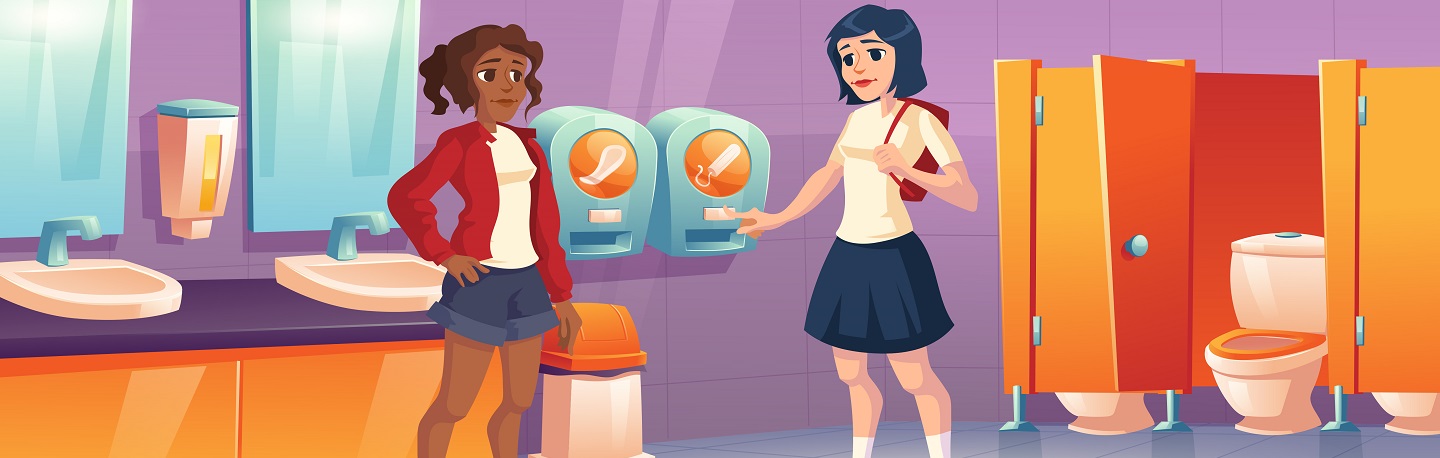
A Girl's First Period: What To Expect
Perimenopause: What To Expect
Birth Control Q&A
Get Care at Carilion Clinic
Your path to better health starts here. Explore comprehensive care options and find the support you need for every step of your wellness journey.
Get Care at Carilion Clinic
Your path to better health starts here. Explore comprehensive care options and find the support you need for every step of your wellness journey.
Get Care at Carilion Clinic
Your path to better health starts here. Explore comprehensive care options and find the support you need for every step of your wellness journey.
Get Care at Carilion Clinic
Your path to better health starts here. Explore comprehensive care options and find the support you need for every step of your wellness journey.