Getting your first period can feel kind of scary. Maybe a little awkward. Definitely confusing. But it’s also a normal part of growing up, and it usually gets easier once you know what to expect and what to do.
To help you get ready, Izzy Donahue Elliott, a health educator with Carilion Clinic's Adolescent Health team, answers some common questions.
What actually is a menstrual period?
As you reach puberty, your body starts producing a monthly cycle of hormones. During the cycle, your body prepares for a possible pregnancy by building up extra blood and tissue in the uterus. One of your ovaries then releases an egg (they switch off every month).
If the egg cell isn’t fertilized (meaning it doesn’t combine with a sperm cell), your body lets go of that extra lining and it flows out of the vagina over the next 2 – 7 days. That flow is your period.
For most people this happens about every 28 days, but it can vary.
When will I get my first period?
Most girls get their first period around ages 12 – 13, but it can happen earlier or later—and that’s still normal!
Signs it might be coming soon are:
- Your breasts have started developing (usually 1 – 2 years before your period starts)
- You notice clear or white discharge in your underwear
What should I expect with my period?
Periods can be unpredictable for a while before settling into a regular monthly cycle, so don’t panic if your cycles are longer than 28 days or you skip a period at first.
You might be uncomfortable a few days before or during your period, with symptoms like:
- Cramping in your lower belly or back
- Sore breasts
- Headaches or dizziness
- Nausea or diarrhea
- Mood swings
If you’re uncomfortable, you can try:
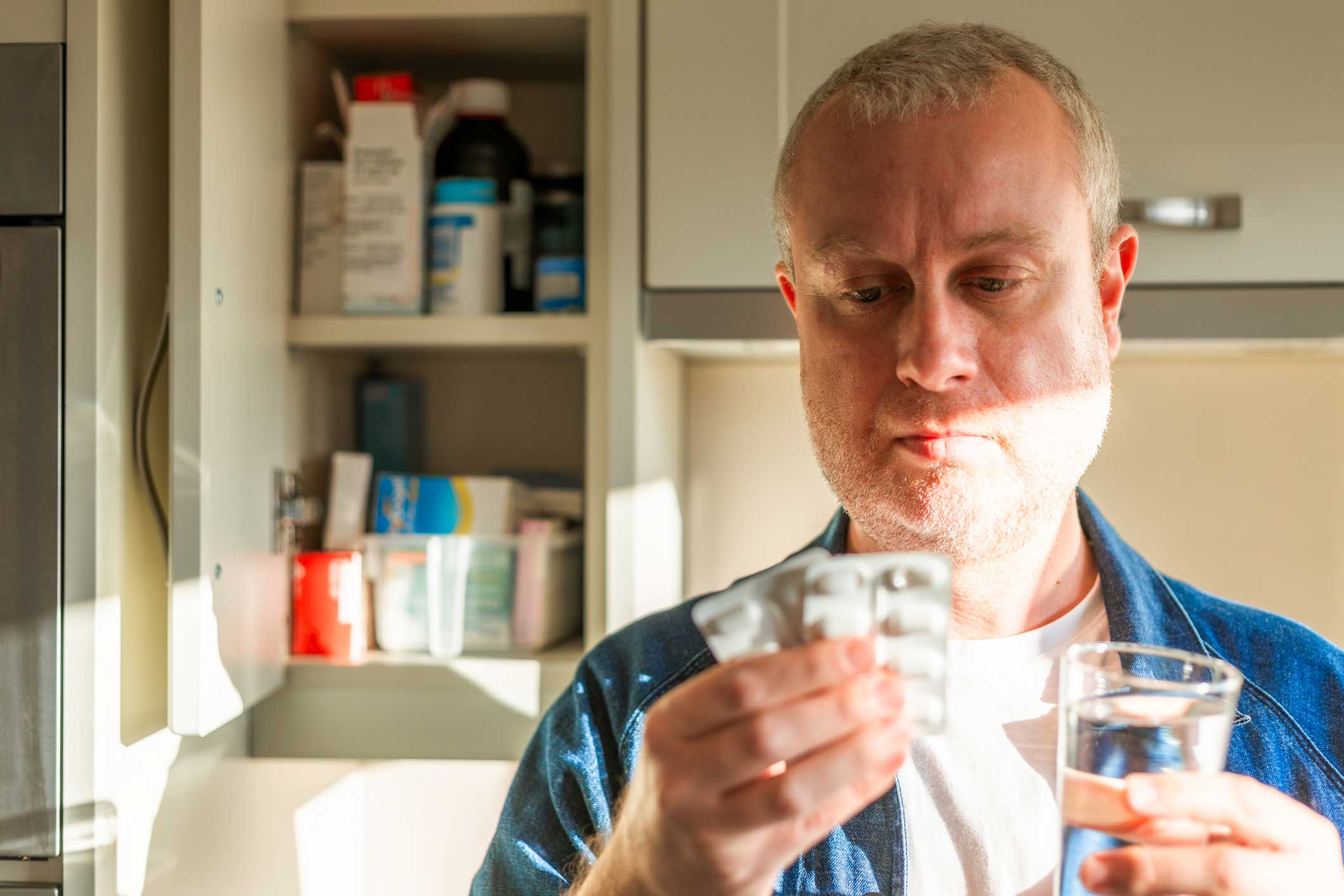
- Over-the-counter pain relievers like ibuprofen (Motrin or Advil)
- Heating pads or heat wraps
- Warm baths or showers
How can I prepare for my period?
Girls can prepare for their period by having supplies on hand. They might include:
- Panty liners (for spotting or a very light flow)
- Pads
- Tampons
- Silicone menstrual cups
- Period underwear
It might take some time to figure out what works best for you. If you’re just starting out, pads are usually the easiest to use.
What if I get my period at school?
Most girls are nervous about starting their period at school. But if that happens, your school’s nurse is there to help. They see this all the time, and they’ll make sure you have what you need.
All schools in Virginia have to provide free period products (they should be in the bathrooms and nurse’s office). But you may want to stash some supplies in your bookbag just in case. Stock an extra pencil pouch or makeup bag with a:
- Panty liner
- Pad
- Change of underwear
When should I talk to a doctor about my period?
Everyone’s period is different, so don’t worry if yours isn’t the same as a friend’s. But it’s a good idea to talk to a doctor if you:
- Start your period before age 8 or haven't started by age 15
- Have a period that lasts more than 7 days
- Have heavy bleeding (soak through a pad every hour for several hours)
- Bleed more than once a month
- Skip periods after the first year
- Have severe pain that keeps you home from school or activities
If you have concerns or questions, talk to a trusted adult or reach out to your pediatrician, primary care doctor, or Adolescent Medicine clinic.