Birth Control
Birth Control
Birth Control
Not ready for a family—or need a break between babies? If you’re sexually active but don’t want to get pregnant, you need to use some type of birth control.
There are more birth control options available now than ever before, so choosing one can feel confusing. Whether you eventually plan to have kids—and when—is a major factor in the type of birth control you choose. Your lifestyle, age, and other health issues may also influence your decision.
At Carilion Clinic, we offer a wide range of birth control options. We have the expertise to help you choose. Our doctors can help you understand the best method to fit your current lifestyle.
Not ready for a family—or need a break between babies? If you’re sexually active but don’t want to get pregnant, you need to use some type of birth control.
There are more birth control options available now than ever before, so choosing one can feel confusing. Whether you eventually plan to have kids—and when—is a major factor in the type of birth control you choose. Your lifestyle, age, and other health issues may also influence your decision.
At Carilion Clinic, we offer a wide range of birth control options. We have the expertise to help you choose. Our doctors can help you understand the best method to fit your current lifestyle.
Birth control, also called contraception, is a way to prevent pregnancy. Birth control can be temporary or permanent. It may include medicine, devices, or even surgery.
Because you can get pregnant the first time you have sex, it’s important to think about birth control before you’re sexually active.
You can buy some types of birth control over the counter, without a doctor’s prescription. These include condoms, emergency contraception pills, and even daily progestin-only birth control pills.
Other types of birth control require a prescription, so you’ll need to schedule a visit. These may include other types of daily hormonal pills, contraceptives, and permanent birth control surgery.
The most common type of birth control you’d get from the doctor is a hormonal contraceptive. Also called hormonal birth control, this is a medicine that helps prevent pregnancy. It works by using hormones—usually estrogen, progestin, or both. These medicines do three things. They:
- Stop the ovary from releasing an egg
- Thicken the mucus in the cervix, which makes it harder for sperm to reach an egg
- Thin the lining of the uterus to help prevent a fertilized egg from attaching
Hormonal birth control comes in different forms, including pills, patches, shots, vaginal rings, and implants. Some people also use it to help with period symptoms like cramps, acne, or heavy bleeding.
Some types of birth control, like condoms, also help protect you from sexually transmitted infections. Some hormonal methods, like birth control pills, can also help treat symptoms of other conditions. These include acne, irregular or painful periods, and polycystic ovary syndrome.
What Is Birth Control?
Birth control, also called contraception, is a way to prevent pregnancy. Birth control can be temporary or permanent. It may include medicine, devices, or even surgery.
Because you can get pregnant the first time you have sex, it’s important to think about birth control before you’re sexually active.
You can buy some types of birth control over the counter, without a doctor’s prescription. These include condoms, emergency contraception pills, and even daily progestin-only birth control pills.
Other types of birth control require a prescription, so you’ll need to schedule a visit. These may include other types of daily hormonal pills, contraceptives, and permanent birth control surgery.
The most common type of birth control you’d get from the doctor is a hormonal contraceptive. Also called hormonal birth control, this is a medicine that helps prevent pregnancy. It works by using hormones—usually estrogen, progestin, or both. These medicines do three things. They:
- Stop the ovary from releasing an egg
- Thicken the mucus in the cervix, which makes it harder for sperm to reach an egg
- Thin the lining of the uterus to help prevent a fertilized egg from attaching
Hormonal birth control comes in different forms, including pills, patches, shots, vaginal rings, and implants. Some people also use it to help with period symptoms like cramps, acne, or heavy bleeding.
Some types of birth control, like condoms, also help protect you from sexually transmitted infections. Some hormonal methods, like birth control pills, can also help treat symptoms of other conditions. These include acne, irregular or painful periods, and polycystic ovary syndrome.
There are many types of birth control. Your care team can talk to you about what might work best for you. They include:
- Natural family planning: Also called fertility awareness-based methods, this works best if you have regular periods. You pay attention to your body’s signs and learn which days you’re more likely to get pregnant and avoid having sex then.
- Barrier methods: Work by physically preventing sperm from getting to the egg. They include external (male) and internal (female) condoms, diaphragms, cervical caps, and spermicide gel.
- Emergency contraceptive pills: If a condom breaks or you forget to take birth control pills, you may be able to take a “morning after pill.” You need to take these within 5 days of unprotected sex. Some are available over the counter and some are by prescription only.
- Hormonal methods: Work by preventing your ovaries from releasing an egg each month. These include implants under the skin, shots, pills, patches, vaginal rings, and some inserted devices. One type of pill is available over the counter; the others you’ll need to talk to your doctor about.
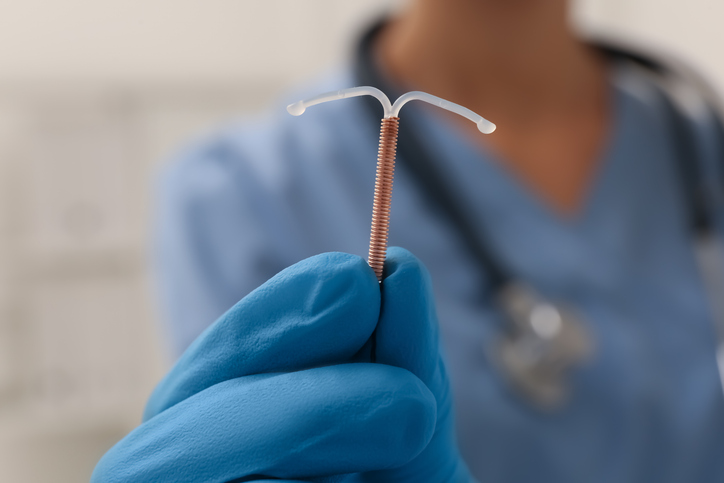
- Intrauterine device (IUD): Hormonal IUDs release hormones to prevent pregnancy and last 3 to 8 years, depending on the type you use. Copper IUDs release copper to prevent sperm from fertilizing an egg and last up to 10 years.
- Permanent birth control (sterilization): Might be right for you or your partner if you’re certain you never want children. Permanent birth control includes vasectomy for men and tubal ligation or removal (getting your tubes tied) for women.
Types of Birth Control
There are many types of birth control. Your care team can talk to you about what might work best for you. They include:
- Natural family planning: Also called fertility awareness-based methods, this works best if you have regular periods. You pay attention to your body’s signs and learn which days you’re more likely to get pregnant and avoid having sex then.
- Barrier methods: Work by physically preventing sperm from getting to the egg. They include external (male) and internal (female) condoms, diaphragms, cervical caps, and spermicide gel.
- Emergency contraceptive pills: If a condom breaks or you forget to take birth control pills, you may be able to take a “morning after pill.” You need to take these within 5 days of unprotected sex. Some are available over the counter and some are by prescription only.
- Hormonal methods: Work by preventing your ovaries from releasing an egg each month. These include implants under the skin, shots, pills, patches, vaginal rings, and some inserted devices. One type of pill is available over the counter; the others you’ll need to talk to your doctor about.
- Intrauterine device (IUD): Hormonal IUDs release hormones to prevent pregnancy and last 3 to 8 years, depending on the type you use. Copper IUDs release copper to prevent sperm from fertilizing an egg and last up to 10 years.
- Permanent birth control (sterilization): Might be right for you or your partner if you’re certain you never want children. Permanent birth control includes vasectomy for men and tubal ligation or removal (getting your tubes tied) for women.
Some things to consider when choosing a birth control method include:
- Do you have any chronic health issues?
- Do you want to have children someday—and how soon?
- How many sex partners do you have?
- Are there side effects to the birth control method you’re considering?
- Does your insurance cover birth control?
- Does your care team suggest hormonal birth control to treat another condition? If so, what type do they suggest?
Is Birth Control Right for Me?
Some things to consider when choosing a birth control method include:
- Do you have any chronic health issues?
- Do you want to have children someday—and how soon?
- How many sex partners do you have?
- Are there side effects to the birth control method you’re considering?
- Does your insurance cover birth control?
- Does your care team suggest hormonal birth control to treat another condition? If so, what type do they suggest?
With so many options available, choosing a birth control method can feel overwhelming. A trusted healthcare professional can answer your questions and help you decide which option is right for you.
Before choosing birth control
Check with your insurance company to see what’s covered. Think about some of the questions in the section above. Involve your partner, especially if you’re considering methods that directly affect them, like using condoms or natural family planning.
During your visit
While discussing your sex life and birth control may feel embarrassing, it’s best to be open and honest with your care team. Ask about any possible side effects, either short-term or long-term. Some types of hormonal birth control, for instance, can slightly raise your risk of getting blood clots.
Depending on your medical history and where you are in your menstrual cycle, you may be able to have an IUD or birth control implant placed during your visit. In some cases, they may want you to wait until your period starts to make sure you’re not pregnant. It also makes insertion easier.
If you choose birth control pills, the patch or the vaginal ring, you can usually start them right away—but it might be suggested to wait until your next period for the best timing.
If you decide on permanent birth control (like tubal ligation), you’ll need to schedule that procedure for a future date, since it requires minor surgery.
Most birth control options aren’t effective immediately. Make sure to ask when the birth control option will be effective. Make sure to use other birth control methods when you have sex until it is.
After using birth control
If you’re starting a new form of birth control, you should watch for any possible side effects. Changes in your period, weight gain, headaches, and nausea sometimes occur.
You should contact your care team if you have:
- Unusually heavy or long-lasting menstrual bleeding
- No menstrual periods
- Severe stomach pain
What Should I Expect?
With so many options available, choosing a birth control method can feel overwhelming. A trusted healthcare professional can answer your questions and help you decide which option is right for you.
Before choosing birth control
Check with your insurance company to see what’s covered. Think about some of the questions in the section above. Involve your partner, especially if you’re considering methods that directly affect them, like using condoms or natural family planning.
During your visit
While discussing your sex life and birth control may feel embarrassing, it’s best to be open and honest with your care team. Ask about any possible side effects, either short-term or long-term. Some types of hormonal birth control, for instance, can slightly raise your risk of getting blood clots.
Depending on your medical history and where you are in your menstrual cycle, you may be able to have an IUD or birth control implant placed during your visit. In some cases, they may want you to wait until your period starts to make sure you’re not pregnant. It also makes insertion easier.
If you choose birth control pills, the patch or the vaginal ring, you can usually start them right away—but it might be suggested to wait until your next period for the best timing.
If you decide on permanent birth control (like tubal ligation), you’ll need to schedule that procedure for a future date, since it requires minor surgery.
Most birth control options aren’t effective immediately. Make sure to ask when the birth control option will be effective. Make sure to use other birth control methods when you have sex until it is.
After using birth control
If you’re starting a new form of birth control, you should watch for any possible side effects. Changes in your period, weight gain, headaches, and nausea sometimes occur.
You should contact your care team if you have:
- Unusually heavy or long-lasting menstrual bleeding
- No menstrual periods
- Severe stomach pain
We understand that your days and weeks are busy—and your birth control method needs to fit your lifestyle. Our care teams are experts at helping you understand your family planning choices.

Complete care
We know women’s health and that includes the safest and latest birth control options. Our goal is to improve the health and well-being of all women in our community.

Birth control tailored to you
We know that there are many factors in choosing the right birth control method. Our care teams are sensitive to your needs and priorities.

The right care, right now
We care for women in all phases of life, including their reproductive years.

Respect for your decisions
The choice to have children or not is an intensely private one. We want you to be able to decide when and if you want to get pregnant.
Why Choose Carilion Clinic?
We understand that your days and weeks are busy—and your birth control method needs to fit your lifestyle. Our care teams are experts at helping you understand your family planning choices.
Health and Wellness
IUDs Don’t Have To Hurt
Birth Control Q&A
Are Midwifery Services Right for You?
Get Care at Carilion Clinic
Your path to better health starts here. Explore comprehensive care options and find the support you need for every step of your wellness journey.
Get Care at Carilion Clinic
Your path to better health starts here. Explore comprehensive care options and find the support you need for every step of your wellness journey.
Get Care at Carilion Clinic
Your path to better health starts here. Explore comprehensive care options and find the support you need for every step of your wellness journey.
Get Care at Carilion Clinic
Your path to better health starts here. Explore comprehensive care options and find the support you need for every step of your wellness journey.