Neonatal Intensive Care Unit (NICU)
Neonatal Intensive Care Unit (NICU)
Neonatal Intensive Care Unit (NICU)
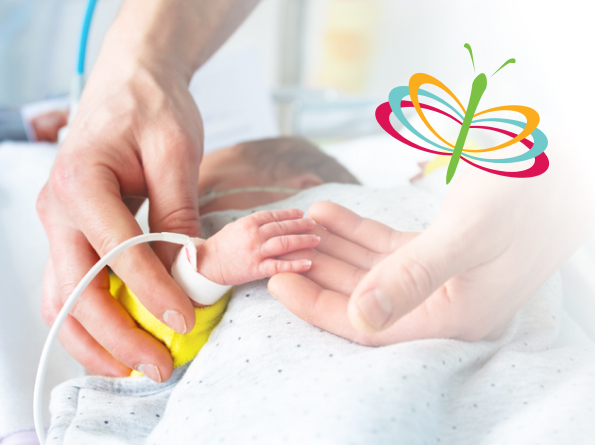
Carilion Children’s NICU offers the most advanced care in our region for the tiniest, sickest newborns to give them the best possible start in life.
For more than 45 years, families have trusted our Level IIIB NICU to provide advanced, compassionate care for newborns with complex medical needs.

The neonatal intensive care unit, or newborn intensive care unit, is where we care for babies born early or seriously ill.
Our NICU is part of Carilion Children’s Hospital and is located on the 14th floor of Carilion Roanoke Memorial Hospital, where we provide 24/7 care for up to 60 newborns.
If your newborn gets sick after going home they would get care in our pediatric intensive care unit (PICU).
Our approach to care
When your baby is in the NICU, you may feel overwhelmed. At Carilion, we understand your fears and concerns. Our NICU experts work with your family in making decisions about your baby’s care. Our goal is to get your baby well and strong so you can bring them home.
Our NICU care team
Your baby and family receive support from a team of healthcare professionals who specialize in newborn care. Together, they support your baby's medical needs, development, nutrition, and your family's well-being throughout your NICU journey.
Our team includes:
- Neonatologists
- Neonatal nurse practitioners
- Registered nurses specializing in neonatal care
- Patient care technicians
- Neonatal dietitians
- Neonatal pharmacists
- Social workers
- Case managers
- Parent and family educators
- Physical therapists
- Occupational therapists
- Speech-language pathologists
- Certified child life specialists
- Lactation consultants
- Nursing leaders
- Formula technicians
- Technical aids
What Is the NICU?
The neonatal intensive care unit, or newborn intensive care unit, is where we care for babies born early or seriously ill.
Our NICU is part of Carilion Children’s Hospital and is located on the 14th floor of Carilion Roanoke Memorial Hospital, where we provide 24/7 care for up to 60 newborns.
If your newborn gets sick after going home they would get care in our pediatric intensive care unit (PICU).
Our approach to care
When your baby is in the NICU, you may feel overwhelmed. At Carilion, we understand your fears and concerns. Our NICU experts work with your family in making decisions about your baby’s care. Our goal is to get your baby well and strong so you can bring them home.
Our NICU care team
Your baby and family receive support from a team of healthcare professionals who specialize in newborn care. Together, they support your baby's medical needs, development, nutrition, and your family's well-being throughout your NICU journey.
Our team includes:
- Neonatologists
- Neonatal nurse practitioners
- Registered nurses specializing in neonatal care
- Patient care technicians
- Neonatal dietitians
- Neonatal pharmacists
- Social workers
- Case managers
- Parent and family educators
- Physical therapists
- Occupational therapists
- Speech-language pathologists
- Certified child life specialists
- Lactation consultants
- Nursing leaders
- Formula technicians
- Technical aids
Babies who go to the NICU come early, are small for their age, or are sick. You may also need a NICU if your baby has a known issue before birth, like a hernia, heart defect, or genetic condition.
Your baby may also need to go to the NICU if they’re exposed to certain drugs, often opioids, during pregnancy. Carilion Mental Health offers an office-based addiction treatment (OBAT) program for pregnant patients with addiction use disorder. It includes medication-assisted treatment and counseling during and after pregnancy.
Our NICU levels of care include:
- Level I NICU: Basic care for healthy, full-term newborns and late preterm infants (35 – 37 weeks). These babies may need minimal support, such as help eating, keeping their temperature up, or brief oxygen therapy.
- Level II NICU: Babies born between 32 and 35 weeks who weigh at least 3.3 pounds. They may be moderately sick, but can get better quickly. They may also need help breathing for less than 24 hours.
- Level IIIB NICU: Care for seriously ill newborns and those born before 32 weeks and weighing less than 3.3 pounds. We can also care for babies born at 22 weeks or weighing less than one pound. Babies may need advanced breathing support, imaging, and specialized medical and surgical care.
Our NICU team has access to a broad range of pediatric specialists, including heart care, endocrinology, neurology, genetics, and other specialties. Our team works with pediatric specialists across Carilion to support your baby's complex medical needs.
If your baby needs specialized care that isn't available in our NICU, Carilion's neonatal pediatric transport service is available to transfer your baby to a Level IV facility in Charlottesville, Norfolk, Northern Virginia, or Richmond.
Who Needs a NICU?
Babies who go to the NICU come early, are small for their age, or are sick. You may also need a NICU if your baby has a known issue before birth, like a hernia, heart defect, or genetic condition.
Your baby may also need to go to the NICU if they’re exposed to certain drugs, often opioids, during pregnancy. Carilion Mental Health offers an office-based addiction treatment (OBAT) program for pregnant patients with addiction use disorder. It includes medication-assisted treatment and counseling during and after pregnancy.
Our NICU levels of care include:
- Level I NICU: Basic care for healthy, full-term newborns and late preterm infants (35 – 37 weeks). These babies may need minimal support, such as help eating, keeping their temperature up, or brief oxygen therapy.
- Level II NICU: Babies born between 32 and 35 weeks who weigh at least 3.3 pounds. They may be moderately sick, but can get better quickly. They may also need help breathing for less than 24 hours.
- Level IIIB NICU: Care for seriously ill newborns and those born before 32 weeks and weighing less than 3.3 pounds. We can also care for babies born at 22 weeks or weighing less than one pound. Babies may need advanced breathing support, imaging, and specialized medical and surgical care.
Our NICU team has access to a broad range of pediatric specialists, including heart care, endocrinology, neurology, genetics, and other specialties. Our team works with pediatric specialists across Carilion to support your baby's complex medical needs.
If your baby needs specialized care that isn't available in our NICU, Carilion's neonatal pediatric transport service is available to transfer your baby to a Level IV facility in Charlottesville, Norfolk, Northern Virginia, or Richmond.
Carilion Children's NICU provides specialized care for babies born prematurely, with low birth weight, or with serious medical conditions. We care for babies born as early as 22 weeks and provide advanced treatment for a wide range of neonatal conditions.
We commonly care for babies with:
- Premature birth: Babies born before 37 weeks of pregnancy. Our NICU cares for babies born as early as 22 weeks.
- Low birth weight: Babies who are smaller than expected or need extra support after birth.
- Breathing problems: Including respiratory distress syndrome and other lung conditions that make it difficult to breathe.
- Jaundice: A buildup of bilirubin that causes yellowing of the skin and eyes. Treatment may include blue light (phototherapy).
- Hypoglycemia: Low blood sugar that may require IV glucose.
- Anemia: Low red blood cell levels that may be treated with vitamins or, in some cases, a blood transfusion.
- Necrotizing enterocolitis (NEC): A serious intestinal disease that primarily affects premature babies.
- Neonatal abstinence syndrome (NAS): Withdrawal symptoms in babies exposed to certain medications or drugs during pregnancy.
- Congenital conditions: Including gastroschisis and other birth defects that may require surgery or specialized medical care.
Conditions We Treat
Carilion Children's NICU provides specialized care for babies born prematurely, with low birth weight, or with serious medical conditions. We care for babies born as early as 22 weeks and provide advanced treatment for a wide range of neonatal conditions.
We commonly care for babies with:
- Premature birth: Babies born before 37 weeks of pregnancy. Our NICU cares for babies born as early as 22 weeks.
- Low birth weight: Babies who are smaller than expected or need extra support after birth.
- Breathing problems: Including respiratory distress syndrome and other lung conditions that make it difficult to breathe.
- Jaundice: A buildup of bilirubin that causes yellowing of the skin and eyes. Treatment may include blue light (phototherapy).
- Hypoglycemia: Low blood sugar that may require IV glucose.
- Anemia: Low red blood cell levels that may be treated with vitamins or, in some cases, a blood transfusion.
- Necrotizing enterocolitis (NEC): A serious intestinal disease that primarily affects premature babies.
- Neonatal abstinence syndrome (NAS): Withdrawal symptoms in babies exposed to certain medications or drugs during pregnancy.
- Congenital conditions: Including gastroschisis and other birth defects that may require surgery or specialized medical care.
As a Level I to Level IIIB NICU, we provide specialized care for premature and critically ill newborns. Treatments and procedures may include:
- Advanced imaging: CT scans, MRI, echocardiograms, and other imaging to diagnose and monitor your baby's condition.
- Temperature support: Incubators and other specialized equipment to help babies maintain a stable body temperature.
- Breathing support: Oxygen therapy, continuous positive airway pressure (CPAP), mechanical ventilation, high-frequency ventilation, and inhaled nitric oxide.
- Therapeutic hypothermia: Also called cooling therapy, this treatment carefully lowers a baby's body temperature to help protect the brain from injury caused by reduced oxygen and blood flow around birth.
- Nutrition support: IV nutrition and feeding support for babies who are unable to eat by mouth.
- Surgery and specialized procedures: Including neonatal surgical procedures such as tracheoesophageal fistula (TEF) repair, treatment for gastroschisis, gastrostomy tube (G-tube) placement, and hernia repair.
Treatments and Procedures We Offer
As a Level I to Level IIIB NICU, we provide specialized care for premature and critically ill newborns. Treatments and procedures may include:
- Advanced imaging: CT scans, MRI, echocardiograms, and other imaging to diagnose and monitor your baby's condition.
- Temperature support: Incubators and other specialized equipment to help babies maintain a stable body temperature.
- Breathing support: Oxygen therapy, continuous positive airway pressure (CPAP), mechanical ventilation, high-frequency ventilation, and inhaled nitric oxide.
- Therapeutic hypothermia: Also called cooling therapy, this treatment carefully lowers a baby's body temperature to help protect the brain from injury caused by reduced oxygen and blood flow around birth.
- Nutrition support: IV nutrition and feeding support for babies who are unable to eat by mouth.
- Surgery and specialized procedures: Including neonatal surgical procedures such as tracheoesophageal fistula (TEF) repair, treatment for gastroschisis, gastrostomy tube (G-tube) placement, and hernia repair.
What happens if my baby needs to go to the NICU?
Your baby will receive around-the-clock care from a specialized neonatal team. We'll keep you involved in your baby's care and provide resources and support throughout your NICU stay.
During your baby's stay, you'll have access to:
- 24/7 access: Parents can visit their baby 24 hours a day throughout their NICU stay.
- AngelEye video camera: When you can’t visit your baby in person, you can see them through our AngelEye camera system. It’s a secure, live-stream video feed.
- Parent care rooms: Parent and family educators help you learn how to care for your baby before you bring them home. Social workers provide family support and help connect you with resources throughout your NICU stay.
- Support services: Parent support services include chaplain support, Carilion’s Healing Arts program, and visiting therapy dogs.
- NICU Bridge Program: This program helps parents transition their newborn’s care from the NICU to a pediatric primary care team and specialists your baby may need. It includes family educators to assist with discharge planning.
Preparing to go home
Before your baby leaves the NICU, we'll help you feel confident caring for them at home. If your baby needs a special car seat, we'll help you choose the right one and perform a car seat safety check before discharge.
Some babies stay in the NICU for weeks or months. For families who live farther away, the nearby Ronald McDonald House offers accommodations during your baby's stay.
What To Expect
What happens if my baby needs to go to the NICU?
Your baby will receive around-the-clock care from a specialized neonatal team. We'll keep you involved in your baby's care and provide resources and support throughout your NICU stay.
During your baby's stay, you'll have access to:
- 24/7 access: Parents can visit their baby 24 hours a day throughout their NICU stay.
- AngelEye video camera: When you can’t visit your baby in person, you can see them through our AngelEye camera system. It’s a secure, live-stream video feed.
- Parent care rooms: Parent and family educators help you learn how to care for your baby before you bring them home. Social workers provide family support and help connect you with resources throughout your NICU stay.
- Support services: Parent support services include chaplain support, Carilion’s Healing Arts program, and visiting therapy dogs.
- NICU Bridge Program: This program helps parents transition their newborn’s care from the NICU to a pediatric primary care team and specialists your baby may need. It includes family educators to assist with discharge planning.
Preparing to go home
Before your baby leaves the NICU, we'll help you feel confident caring for them at home. If your baby needs a special car seat, we'll help you choose the right one and perform a car seat safety check before discharge.
Some babies stay in the NICU for weeks or months. For families who live farther away, the nearby Ronald McDonald House offers accommodations during your baby's stay.
Carilion Children’s NICU offers the most advanced care in our region for the tiniest, sickest newborn babies to give them the best possible start in life. We’ve provided high level NICU care since 1979.

Experienced care
Each year, we care for nearly 1,200 infants in our NICU. Our experienced team supports babies and families throughout their NICU journey.

A teaching hospital
As a teaching hospital, Carilion gives resident physicians opportunities to learn from specialists during NICU rounds. This partnership supports education and the next generation of healthcare professionals.
Why Choose Carilion Clinic?
Carilion Children’s NICU offers the most advanced care in our region for the tiniest, sickest newborn babies to give them the best possible start in life. We’ve provided high level NICU care since 1979.
Patient Stories
We likely would not be living here, if we didn't have all of the specialists here through Carilion."
Health and Wellness

AngelEye Cameras Let NICU Families Visit 24/7

Shining a Light on Infection Prevention in the NICU
NICUs: Specialized Care for Special Babies
Get Care at Carilion Clinic
Your path to better health starts here. Explore comprehensive care options and find the support you need for every step of your wellness journey.
Get Care at Carilion Clinic
Your path to better health starts here. Explore comprehensive care options and find the support you need for every step of your wellness journey.
Get Care at Carilion Clinic
Your path to better health starts here. Explore comprehensive care options and find the support you need for every step of your wellness journey.
Get Care at Carilion Clinic
Your path to better health starts here. Explore comprehensive care options and find the support you need for every step of your wellness journey.