Pediatric Lung Care
Pediatric Lung Care
Pediatric Lung Care
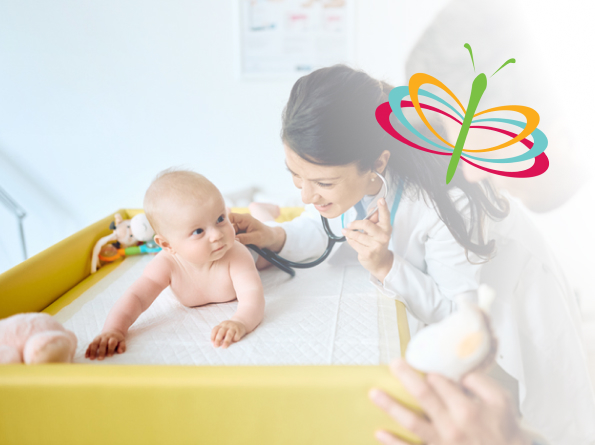
Childhood breathing problems are some of the most common health conditions kids face. When your child struggles to breathe, it can leave you feeling helpless.
At Carilion Children's, our pediatric pulmonologists have the training, skills, and experience to care for the youngest of children. Together, we empower kids, families, and their community to manage childhood lung and breathing problems.


Pediatric lung care, also called pediatric pulmonology, is the medical specialty focused on diagnosing and treating lung and breathing conditions from birth through young adulthood.
The conditions we treat in children are often different from those seen in adults. That's why kids benefit from care designed for their growing lungs, bodies, and unique needs.
What Is Pediatric Lung Care?
Pediatric lung care, also called pediatric pulmonology, is the medical specialty focused on diagnosing and treating lung and breathing conditions from birth through young adulthood.
The conditions we treat in children are often different from those seen in adults. That's why kids benefit from care designed for their growing lungs, bodies, and unique needs.
We focus on child-centered care for these complex conditions. We educate children and their families on how to manage their lung or breathing problems so kids can live life to the fullest.
We use the latest diagnostic tools to identify lung and breathing conditions in children of all ages. These tests may include chest imaging, lung function testing (such as spirometry), and flexible bronchoscopy.
Our Approach to Care
We focus on child-centered care for these complex conditions. We educate children and their families on how to manage their lung or breathing problems so kids can live life to the fullest.
We use the latest diagnostic tools to identify lung and breathing conditions in children of all ages. These tests may include chest imaging, lung function testing (such as spirometry), and flexible bronchoscopy.
Our specialists treat a range of childhood lung and breathing problems.
Chronic and recurrent lung conditions
We treat ongoing and lifelong conditions as well as conditions that return often. These include:
- Asthma: This is the most common chronic or lifelong disease in children. It causes inflammation, or swelling and mucus buildup in the airways—tubes that carry air in and out of the lungs. It also causes bronchospasm, squeezing of muscles around the airways. Common symptoms include chronic cough, chest pain when breathing, and shortness of breath.
- Recurrent pneumonia: Pneumonia is a lung infection that causes the air sacs in the lungs to become inflamed. It's often caused by viruses or bacteria, but it can also happen after food, liquid, or another object enters the lungs (aspiration). Recurrent pneumonia means your child has 2 episodes within 12 months or 3 or more episodes over their lifetime.
- Bronchiectasis: This chronic lung condition happens when the airways are damaged and have abnormal dilation or widening. This makes it hard to clear out mucus, phlegm, and sputum from the lower airways, leading to an infection and inflammation. It’s a serious disease that gets worse over time. Cough with phlegm is the most common symptom. Cystic fibrosis is the most common cause in children.
Complex and rare lung conditions
Some children have rare or complex lung conditions that require specialized care from pediatric pulmonologists. These include:
- Bronchopulmonary dysplasia (BPD): Also called chronic lung disease of prematurity, BPD is the most common lung disease in babies. It happens to some who are born early or premature. Babies with BPD need supplemental oxygen therapy for more than 28 days. Symptoms include fast breathing, coughing, and wheezing. You may notice their nostrils widen when breathing in and chest retractions—sucking below your baby’s ribs.
- Childhood interstitial lung disease: Also called chILD, it’s a group of rare lung diseases in babies, kids, and teens. These can happen in the airways or air sacs of the lungs. They can cause low oxygen levels, abnormal lung function, and problems breathing and exercising. Some diseases may be life-threatening. This includes pulmonary fibrosis, a scarring and thickening of lung tissue that makes it hard to transfer oxygen into the blood.
Congenital and structural lung disorders
Some children are born with conditions that affect how their lungs, airways, or chest develop and work. These include:
- Congenital central hypoventilation syndrome: This rare condition affects the nervous system’s ability to control automatic breathing. Children with this disorder may have shallow breathing during sleep and, in more severe cases, while awake.
- Chest wall abnormalities: Some children are born with differences in the structure of their chest that can affect how their lungs expand and how they breathe.
Airway and breathing disorders
We diagnose and treat conditions that affect how children breathe, swallow, or move air through their lungs. These include:
- Primary ciliary dyskinesia (PCD): PCD is a rare inherited condition that affects tiny hairlike structures called cilia in the airways, ears, and nose. Cilia help clear mucus and germs from the lungs. When they don’t work properly, children may have frequent lung, sinus, and ear infections.
- Vocal cord dysfunction: This condition happens when the vocal cords close instead of opening properly during breathing. This can make it harder for air to move into and out of the lungs.
- Aerodigestive disorders: Aerodigestive disorders affect the parts of the body involved in breathing, eating, and swallowing. These conditions often require coordinated care from multiple specialists.
Breathing problems related to other conditions
Some children develop respiratory problems related to other health conditions. These include:
- Respiratory problems related to neuromuscular disorders: Neuromuscular disorders affect the nerves and muscles that control movement, including the muscles needed for breathing. These conditions can cause breathing problems and may increase the risk of sleep apnea.
- Respiratory problems of sickle cell disease: Children with sickle cell disease may develop breathing problems due to complications of the condition.
- Respiratory failure and insufficiency: Respiratory failure occurs when the lungs can't provide enough oxygen or remove enough carbon dioxide to support the body. It can happen because of many different lung, airway, or health conditions.
- Exercise intolerance: Some children have difficulty keeping up with physical activity because of breathing problems, reduced lung function, or other health conditions.
Conditions We Treat
Our specialists treat a range of childhood lung and breathing problems.
Chronic and recurrent lung conditions
We treat ongoing and lifelong conditions as well as conditions that return often. These include:
- Asthma: This is the most common chronic or lifelong disease in children. It causes inflammation, or swelling and mucus buildup in the airways—tubes that carry air in and out of the lungs. It also causes bronchospasm, squeezing of muscles around the airways. Common symptoms include chronic cough, chest pain when breathing, and shortness of breath.
- Recurrent pneumonia: Pneumonia is a lung infection that causes the air sacs in the lungs to become inflamed. It's often caused by viruses or bacteria, but it can also happen after food, liquid, or another object enters the lungs (aspiration). Recurrent pneumonia means your child has 2 episodes within 12 months or 3 or more episodes over their lifetime.
- Bronchiectasis: This chronic lung condition happens when the airways are damaged and have abnormal dilation or widening. This makes it hard to clear out mucus, phlegm, and sputum from the lower airways, leading to an infection and inflammation. It’s a serious disease that gets worse over time. Cough with phlegm is the most common symptom. Cystic fibrosis is the most common cause in children.
Complex and rare lung conditions
Some children have rare or complex lung conditions that require specialized care from pediatric pulmonologists. These include:
- Bronchopulmonary dysplasia (BPD): Also called chronic lung disease of prematurity, BPD is the most common lung disease in babies. It happens to some who are born early or premature. Babies with BPD need supplemental oxygen therapy for more than 28 days. Symptoms include fast breathing, coughing, and wheezing. You may notice their nostrils widen when breathing in and chest retractions—sucking below your baby’s ribs.
- Childhood interstitial lung disease: Also called chILD, it’s a group of rare lung diseases in babies, kids, and teens. These can happen in the airways or air sacs of the lungs. They can cause low oxygen levels, abnormal lung function, and problems breathing and exercising. Some diseases may be life-threatening. This includes pulmonary fibrosis, a scarring and thickening of lung tissue that makes it hard to transfer oxygen into the blood.
Congenital and structural lung disorders
Some children are born with conditions that affect how their lungs, airways, or chest develop and work. These include:
- Congenital central hypoventilation syndrome: This rare condition affects the nervous system’s ability to control automatic breathing. Children with this disorder may have shallow breathing during sleep and, in more severe cases, while awake.
- Chest wall abnormalities: Some children are born with differences in the structure of their chest that can affect how their lungs expand and how they breathe.
Airway and breathing disorders
We diagnose and treat conditions that affect how children breathe, swallow, or move air through their lungs. These include:
- Primary ciliary dyskinesia (PCD): PCD is a rare inherited condition that affects tiny hairlike structures called cilia in the airways, ears, and nose. Cilia help clear mucus and germs from the lungs. When they don’t work properly, children may have frequent lung, sinus, and ear infections.
- Vocal cord dysfunction: This condition happens when the vocal cords close instead of opening properly during breathing. This can make it harder for air to move into and out of the lungs.
- Aerodigestive disorders: Aerodigestive disorders affect the parts of the body involved in breathing, eating, and swallowing. These conditions often require coordinated care from multiple specialists.
Breathing problems related to other conditions
Some children develop respiratory problems related to other health conditions. These include:
- Respiratory problems related to neuromuscular disorders: Neuromuscular disorders affect the nerves and muscles that control movement, including the muscles needed for breathing. These conditions can cause breathing problems and may increase the risk of sleep apnea.
- Respiratory problems of sickle cell disease: Children with sickle cell disease may develop breathing problems due to complications of the condition.
- Respiratory failure and insufficiency: Respiratory failure occurs when the lungs can't provide enough oxygen or remove enough carbon dioxide to support the body. It can happen because of many different lung, airway, or health conditions.
- Exercise intolerance: Some children have difficulty keeping up with physical activity because of breathing problems, reduced lung function, or other health conditions.
Our specialists provide expert breathing treatments and therapies. When needed, we teach parents and caregivers on how to do some of these therapies at home.
We also provide guidance and support on making lifestyle and environmental changes that can help better manage your child’s breathing problems.
Treatments we offer include:
Asthma treatments
Children with asthma may need a combination of medicines and therapies to control symptoms and prevent flare-ups. Treatments may include:
- Inhaled medicines: Children may use an inhaler or nebulizer to receive medicine that helps open the airways, reduce inflammation, and relieve symptoms.
- Asthma medicines: Some children may need additional medicines, such as oral steroids or other medications, to help control asthma and reduce inflammation.
- Biologic therapies: These medicines help treat severe asthma by targeting specific causes of inflammation. They may be given as an injection at home or through an infusion at a medical office.
Airway clearance therapies
Some lung conditions cause mucus to build up in the airways. Medicines and special therapies can help clear mucus and make breathing easier.
Ventilator support
Some babies and children need help breathing through a ventilator. A ventilator provides breathing support through a tube placed into the airway. We also teach parents and caregivers how to safely manage ventilator care at home when needed.
Noninvasive ventilation and continuous positive airway pressure (CPAP)
CPAP and other noninvasive ventilation treatments help keep the airway open during sleep. These treatments are often used for children with obstructive sleep apnea. We also provide home monitoring to check breathing and oxygen levels.
Oxygen therapy
Some children need supplemental oxygen if a lung condition makes it hard to get enough oxygen. Oxygen therapy helps maintain healthy oxygen levels.
Treatments We Offer
Our specialists provide expert breathing treatments and therapies. When needed, we teach parents and caregivers on how to do some of these therapies at home.
We also provide guidance and support on making lifestyle and environmental changes that can help better manage your child’s breathing problems.
Treatments we offer include:
Asthma treatments
Children with asthma may need a combination of medicines and therapies to control symptoms and prevent flare-ups. Treatments may include:
- Inhaled medicines: Children may use an inhaler or nebulizer to receive medicine that helps open the airways, reduce inflammation, and relieve symptoms.
- Asthma medicines: Some children may need additional medicines, such as oral steroids or other medications, to help control asthma and reduce inflammation.
- Biologic therapies: These medicines help treat severe asthma by targeting specific causes of inflammation. They may be given as an injection at home or through an infusion at a medical office.
Airway clearance therapies
Some lung conditions cause mucus to build up in the airways. Medicines and special therapies can help clear mucus and make breathing easier.
Ventilator support
Some babies and children need help breathing through a ventilator. A ventilator provides breathing support through a tube placed into the airway. We also teach parents and caregivers how to safely manage ventilator care at home when needed.
Noninvasive ventilation and continuous positive airway pressure (CPAP)
CPAP and other noninvasive ventilation treatments help keep the airway open during sleep. These treatments are often used for children with obstructive sleep apnea. We also provide home monitoring to check breathing and oxygen levels.
Oxygen therapy
Some children need supplemental oxygen if a lung condition makes it hard to get enough oxygen. Oxygen therapy helps maintain healthy oxygen levels.
When your child has a lung condition or breathing problem, you want a team that sees the whole picture. At Carilion Children’s, we combine pediatric expertise, collaborative care, and advanced treatments to help your child breathe easier and thrive.

Child-centered collaborative care
We work closely with families, primary care physicians, and schools to help children control their asthma.
Why Choose Carilion Clinic?
When your child has a lung condition or breathing problem, you want a team that sees the whole picture. At Carilion Children’s, we combine pediatric expertise, collaborative care, and advanced treatments to help your child breathe easier and thrive.
Health and Wellness
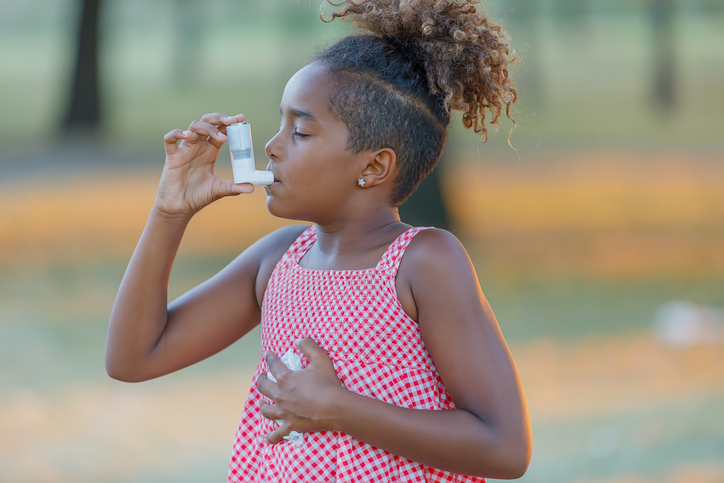
Childhood Asthma: Know the Signs and Symptoms

Children's Fever Guide by Age

Finding the Right Pediatrician
Get Care at Carilion Children's
Whether your child needs help managing a chronic lung condition or has a new breathing concern, our pediatric pulmonology team is here to help. Find a pediatric pulmonologist, get location details, call our office, or sign in to MyChart.
Get Care at Carilion Children's
Whether your child needs help managing a chronic lung condition or has a new breathing concern, our pediatric pulmonology team is here to help. Find a pediatric pulmonologist, get location details, call our office, or sign in to MyChart.
Get Care at Carilion Children's
Whether your child needs help managing a chronic lung condition or has a new breathing concern, our pediatric pulmonology team is here to help. Find a pediatric pulmonologist, get location details, call our office, or sign in to MyChart.
Get Care at Carilion Children's
Whether your child needs help managing a chronic lung condition or has a new breathing concern, our pediatric pulmonology team is here to help. Find a pediatric pulmonologist, get location details, call our office, or sign in to MyChart.