Inflammatory Bowel Disease Treatment
Inflammatory Bowel Disease Treatment
Inflammatory Bowel Disease Treatment
Inflammatory bowel diseases (IBD) cause inflammation and open sores in your digestive tract. The most common are ulcerative colitis and Crohn's disease.
At Carilion Clinic, we have a comprehensive IBD treatment program. We’re experts in helping people with IBD improve their quality of life and have less severe symptoms.
Inflammatory bowel diseases (IBD) cause inflammation and open sores in your digestive tract. The most common are ulcerative colitis and Crohn's disease.
At Carilion Clinic, we have a comprehensive IBD treatment program. We’re experts in helping people with IBD improve their quality of life and have less severe symptoms.
IBD is a lifelong disease that usually begins before age 30. It shifts between periods of flares, where it gets worse, and remission, in which symptoms lessen. There’s no cure for IBD, but proper care can help you manage symptoms and reduce flares.
Carilion's IBD program helps you live with IBD. We follow you from initial diagnosis through treatment and continue care with our tailored IBD care program.
Your care program might include:
Medicine
Certain drugs can help reduce inflammation and lengthen remission. You may need to take these medicines for your whole life. They include:
- Corticosteroids: Fast-acting anti-inflammatory medicines for short-term use
- Immunosuppressants: Targeted treatments for longer-term use
- Immunotherapies: Antibodies or small molecules that selectively block immune pathways
- Aminosalicylates: Anti-inflammatory medicines that target the gut
- Pain medicine: Tylenol, medicines to relieve cramping, antidepressants, nerve pain relief, and creams can help reduce pain
Lifestyle changes
Sometimes, simple lifestyle changes to improve your health can help reduce IBD symptoms. Talk to your care team about:
- Eating more fruits, vegetables, whole grains, and lean protein
- Avoiding carbonated drinks and certain high-fiber foods
- Drinking more water to prevent dehydration
- Eating smaller meals
- Finding triggers, like spicy foods and dairy
- Reduce alcohol and caffeine
- Getting more exercise
- Improving sleep habits
What Does IBD Care Include?
IBD is a lifelong disease that usually begins before age 30. It shifts between periods of flares, where it gets worse, and remission, in which symptoms lessen. There’s no cure for IBD, but proper care can help you manage symptoms and reduce flares.
Carilion's IBD program helps you live with IBD. We follow you from initial diagnosis through treatment and continue care with our tailored IBD care program.
Your care program might include:
Medicine
Certain drugs can help reduce inflammation and lengthen remission. You may need to take these medicines for your whole life. They include:
- Corticosteroids: Fast-acting anti-inflammatory medicines for short-term use
- Immunosuppressants: Targeted treatments for longer-term use
- Immunotherapies: Antibodies or small molecules that selectively block immune pathways
- Aminosalicylates: Anti-inflammatory medicines that target the gut
- Pain medicine: Tylenol, medicines to relieve cramping, antidepressants, nerve pain relief, and creams can help reduce pain
Lifestyle changes
Sometimes, simple lifestyle changes to improve your health can help reduce IBD symptoms. Talk to your care team about:
- Eating more fruits, vegetables, whole grains, and lean protein
- Avoiding carbonated drinks and certain high-fiber foods
- Drinking more water to prevent dehydration
- Eating smaller meals
- Finding triggers, like spicy foods and dairy
- Reduce alcohol and caffeine
- Getting more exercise
- Improving sleep habits
If you have IBD, we may refer you to a surgeon, even if there's no need for an immediate operation. Surgery can improve IBD symptoms and treat many complications. Up to half of the people with IBD will need surgery at some point in their lives.
Your doctor may recommend surgery if you have:
- Symptoms that no longer improve with medicine
- Colorectal cancer or precancerous polyps or cells
- Excessive bleeding in your digestive tract
- A life-threatening condition like a perforated large intestine
- Pockets of infection, called abscesses
- Tunnels between the intestine and other organs or skin (fistulas)
- Inflammation or scar tissue that blocks the intestines (bowel obstruction)
You may also need emergency surgery if you have sudden, uncontrolled bleeding or a complication like a toxic megacolon. This is a life-threatening, rapid enlargement of the colon that requires immediate treatment.
Your care team can work together to figure out the best options for you.
Is IBD Surgery Right for Me?
If you have IBD, we may refer you to a surgeon, even if there's no need for an immediate operation. Surgery can improve IBD symptoms and treat many complications. Up to half of the people with IBD will need surgery at some point in their lives.
Your doctor may recommend surgery if you have:
- Symptoms that no longer improve with medicine
- Colorectal cancer or precancerous polyps or cells
- Excessive bleeding in your digestive tract
- A life-threatening condition like a perforated large intestine
- Pockets of infection, called abscesses
- Tunnels between the intestine and other organs or skin (fistulas)
- Inflammation or scar tissue that blocks the intestines (bowel obstruction)
You may also need emergency surgery if you have sudden, uncontrolled bleeding or a complication like a toxic megacolon. This is a life-threatening, rapid enlargement of the colon that requires immediate treatment.
Your care team can work together to figure out the best options for you.
Surgical procedures for IBD often include the removal of part of your small or large intestine. You may have to have your entire colon and rectum removed. In that case, you will need a stoma, a hole in your side that leads to a removable pouch to collect waste.
Before
In the weeks leading up to surgery, your care team will help you get ready both physically and emotionally. You'll do various pre-surgery tests, including blood tests, imaging, or colonoscopy. These help plan the procedure.
Your care team will review your current medicines and let you know if you need to adjust or pause them.
You'll discuss the type of surgery, possible risks, and recovery with your surgeon and care team. They'll also tell you what to eat or avoid and if you need a bowel prep.
During surgery
You'll have surgery under general anesthesia, so you'll be asleep and won't feel anything. The length varies, but surgery usually takes a few hours.
During surgery, your surgeon may remove part or all of the diseased intestine. They may use minimally invasive techniques. They may make a temporary or permanent stoma. This is an opening in the abdomen for waste to exit into a bag.
Recovery and healing
Right after surgery, you'll spend time in the recovery room. You'll then move to a hospital room where your care team will closely monitor you for pain, infection, and bowel function.
Soon, the care team will get you walking. They'll talk with you about wound care and medicines. If the surgeon created a stoma, they'll walk you through caring for it.
Full recovery may take several weeks. You'll have regular follow-up visits to track your healing and adjust your medicines.
What Should I Expect With IBD Surgery?
Surgical procedures for IBD often include the removal of part of your small or large intestine. You may have to have your entire colon and rectum removed. In that case, you will need a stoma, a hole in your side that leads to a removable pouch to collect waste.
Before
In the weeks leading up to surgery, your care team will help you get ready both physically and emotionally. You'll do various pre-surgery tests, including blood tests, imaging, or colonoscopy. These help plan the procedure.
Your care team will review your current medicines and let you know if you need to adjust or pause them.
You'll discuss the type of surgery, possible risks, and recovery with your surgeon and care team. They'll also tell you what to eat or avoid and if you need a bowel prep.
During surgery
You'll have surgery under general anesthesia, so you'll be asleep and won't feel anything. The length varies, but surgery usually takes a few hours.
During surgery, your surgeon may remove part or all of the diseased intestine. They may use minimally invasive techniques. They may make a temporary or permanent stoma. This is an opening in the abdomen for waste to exit into a bag.
Recovery and healing
Right after surgery, you'll spend time in the recovery room. You'll then move to a hospital room where your care team will closely monitor you for pain, infection, and bowel function.
Soon, the care team will get you walking. They'll talk with you about wound care and medicines. If the surgeon created a stoma, they'll walk you through caring for it.
Full recovery may take several weeks. You'll have regular follow-up visits to track your healing and adjust your medicines.


Getting the right treatment for IBD can vastly improve your quality of life. Proper diagnosis and care can prevent serious complications of IBD from occurring.

Expert care tailored to you
Our IBD program provides expert care from diagnosis through treatment. With more than 30 years of surgical experience, we'll guide your care every step of the way, including before, during, and after surgery.

A team of experts
We offer a care team of highly skilled specialists. Your IBD team may include gastroenterologists, surgeons, radiologists, pathologists, stoma care specialists, and nutritionists.
Why Choose Carilion Clinic?
Getting the right treatment for IBD can vastly improve your quality of life. Proper diagnosis and care can prevent serious complications of IBD from occurring.
Health and Wellness
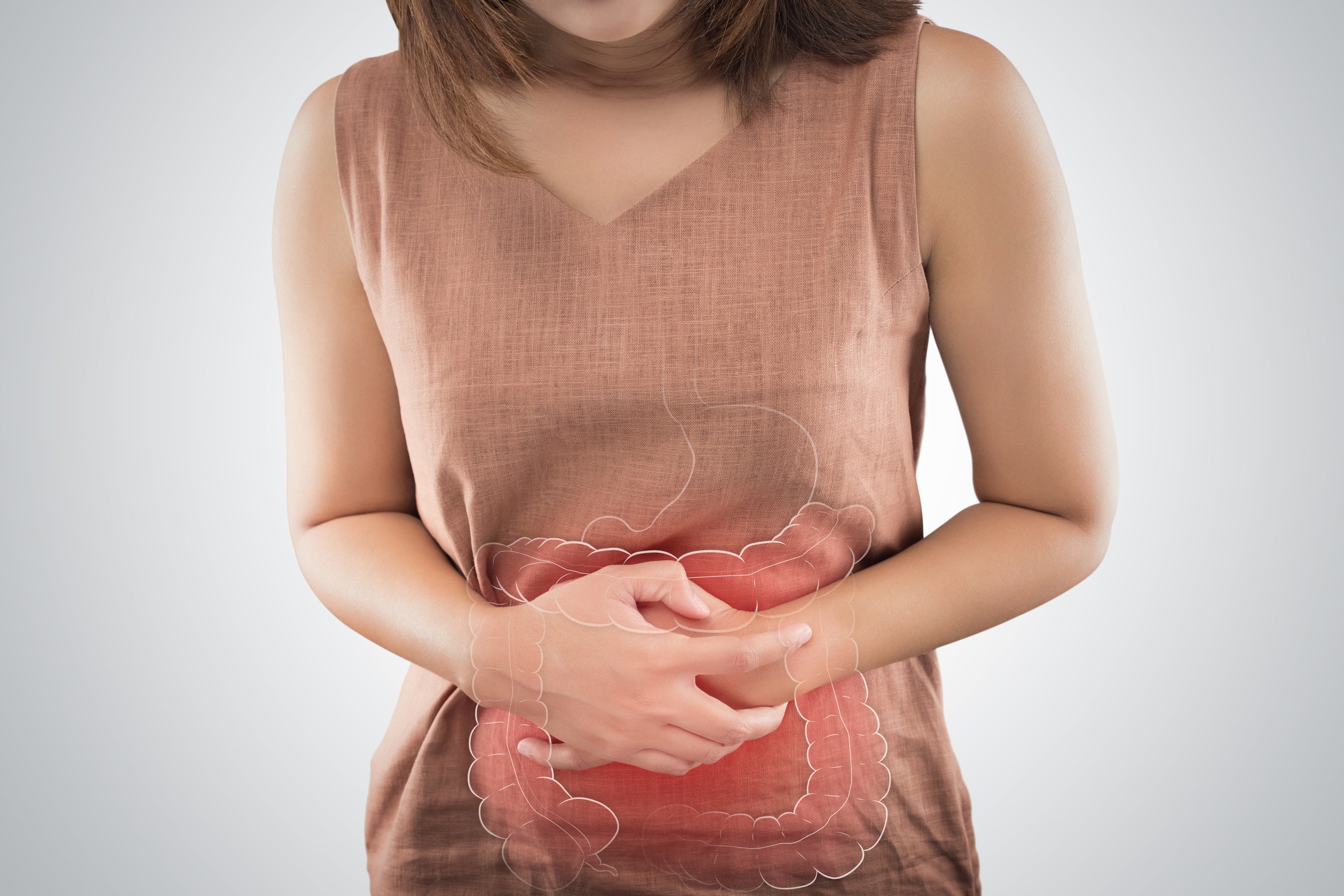
Understanding IBS

A Walk after Lunch? It Can Make Your Day.

Colorectal Cancer: Why Younger Adults Should Pay Attention
Get Care at Carilion Clinic
Don’t wait to feel better. Our expert team is here to diagnose and treat your digestive concerns with tailored care close to home. Plan a visit today and take the first step toward better digestive health.
Get Care at Carilion Clinic
Don’t wait to feel better. Our expert team is here to diagnose and treat your digestive concerns with tailored care close to home. Plan a visit today and take the first step toward better digestive health.
Get Care at Carilion Clinic
Don’t wait to feel better. Our expert team is here to diagnose and treat your digestive concerns with tailored care close to home. Plan a visit today and take the first step toward better digestive health.
Get Care at Carilion Clinic
Don’t wait to feel better. Our expert team is here to diagnose and treat your digestive concerns with tailored care close to home. Plan a visit today and take the first step toward better digestive health.