Diverticulitis
Diverticulitis
Diverticulitis
If you come down with sudden belly pain and cramping, you may think it’s just the stomach flu or food poisoning. But if you’re older, it may be a condition called diverticulitis.
It’s key to get an accurate diagnosis. At Carilion Clinic, we see many people with symptoms of diverticulitis. Our gastrointestinal (GI) doctors know how to diagnose and treat this painful condition.
If you come down with sudden belly pain and cramping, you may think it’s just the stomach flu or food poisoning. But if you’re older, it may be a condition called diverticulitis.
It’s key to get an accurate diagnosis. At Carilion Clinic, we see many people with symptoms of diverticulitis. Our gastrointestinal (GI) doctors know how to diagnose and treat this painful condition.
As you age, you may develop small sacs that bulge through weak spots in the colon wall. This condition is diverticulosis, and it’s common in older people. Doctors call these sacs diverticula. They often occur in the lower part of the colon, also known as the large intestine.
Sudden belly pain and cramping could mean that these sacs have gotten infected, causing diverticulitis. Diverticulitis can come on fast and cause severe pain. Less often, the pain is milder and builds over several days.
Diverticulitis symptoms include:
- Belly pain, especially in the lower left side
- Bloating and cramping
- Constipation
- Diarrhea
- Fever and chills
- Nausea or vomiting
It’s essential to see your doctor for a diagnosis of diverticulitis. Other conditions, such as irritable bowel syndrome, have similar symptoms. With some tests, your doctor can diagnose the problem so we can treat it effectively.
If left untreated, diverticulitis can lead to serious complications. You could end up with:
- Bleeding: When a blood vessel within the wall of a pouch bursts the bleeding can be severe. In some cases, it can even be life-threatening.
- Abscess: The infection causes a swollen, pus-filled area.
- Fistula: Scarring causes an abnormal passage that forms between the colon organ, like the bladder or vagina.
- Perforation: A hole in your colon.
- Intestinal blockage: Obstructions prevent stool from moving through the gut.
- Peritonitis: An infection can spread to the lining of the abdominal cavity. It can be life-threatening.
What Is Diverticulitis?
As you age, you may develop small sacs that bulge through weak spots in the colon wall. This condition is diverticulosis, and it’s common in older people. Doctors call these sacs diverticula. They often occur in the lower part of the colon, also known as the large intestine.
Sudden belly pain and cramping could mean that these sacs have gotten infected, causing diverticulitis. Diverticulitis can come on fast and cause severe pain. Less often, the pain is milder and builds over several days.
Diverticulitis symptoms include:
- Belly pain, especially in the lower left side
- Bloating and cramping
- Constipation
- Diarrhea
- Fever and chills
- Nausea or vomiting
It’s essential to see your doctor for a diagnosis of diverticulitis. Other conditions, such as irritable bowel syndrome, have similar symptoms. With some tests, your doctor can diagnose the problem so we can treat it effectively.
If left untreated, diverticulitis can lead to serious complications. You could end up with:
- Bleeding: When a blood vessel within the wall of a pouch bursts the bleeding can be severe. In some cases, it can even be life-threatening.
- Abscess: The infection causes a swollen, pus-filled area.
- Fistula: Scarring causes an abnormal passage that forms between the colon organ, like the bladder or vagina.
- Perforation: A hole in your colon.
- Intestinal blockage: Obstructions prevent stool from moving through the gut.
- Peritonitis: An infection can spread to the lining of the abdominal cavity. It can be life-threatening.
Doctors aren’t exactly sure what causes diverticulitis. Researchers are studying factors that may contribute to its root cause. These include:
- Bacteria or stool getting stuck in a pouch in your colon
- Changes in the microorganisms that live in your gut
- Immune system problems
- Issues with the connective tissue, nerves, or muscles in your colon
Doctors have found the following risk factors for diverticulitis. Having several of these risk factors makes you more likely to get it.
- Family history: If a parent or sibling has diverticular disease, you’re more likely to have it.
- Diet: Eating a diet low in fiber and high in red meat raises your risk.
- Obesity: Being overweight can lead to many health problems, including digestive diseases.
- Smoking: Nicotine may make diverticulitis worse. Smoking is also bad for your overall health.
- Sedentary lifestyle: Limited physical activity may raise your risk of developing diverticulitis.
- Certain medications: Pain relievers like ibuprofen may irritate pouches in the gut.
Causes and Risk Factors of Diverticulitis
Doctors aren’t exactly sure what causes diverticulitis. Researchers are studying factors that may contribute to its root cause. These include:
- Bacteria or stool getting stuck in a pouch in your colon
- Changes in the microorganisms that live in your gut
- Immune system problems
- Issues with the connective tissue, nerves, or muscles in your colon
Doctors have found the following risk factors for diverticulitis. Having several of these risk factors makes you more likely to get it.
- Family history: If a parent or sibling has diverticular disease, you’re more likely to have it.
- Diet: Eating a diet low in fiber and high in red meat raises your risk.
- Obesity: Being overweight can lead to many health problems, including digestive diseases.
- Smoking: Nicotine may make diverticulitis worse. Smoking is also bad for your overall health.
- Sedentary lifestyle: Limited physical activity may raise your risk of developing diverticulitis.
- Certain medications: Pain relievers like ibuprofen may irritate pouches in the gut.
Your care plan for diverticulitis will depend on how severe it is. If your case is mild, it may improve at home with antibiotics, rest, and a healthy diet. If it's more severe or you have complications, you may need to be in the hospital.
In the past, doctors used to say to avoid certain foods if you had diverticulitis regularly. They thought popcorn, nuts, and seeds could get stuck in the pouches and worsen symptoms. However, recent research shows that people who eat those foods are not more likely to develop diverticulitis.
At Carilion, your GI care team may treat your condition with:
- Antibiotics: These drugs kill the bacteria causing infection and are the standard of care for diverticulitis.
- A clear liquid diet: To give your colon time to rest and recover from the infection. As your symptoms improve, we will add solid food to your diet.
- Pain medicine: Your doctor may prescribe acetaminophen for pain. Pain relievers like ibuprofen can worsen symptoms of diverticulitis.
- Antispasmodic meds: To calm spasms in your colon.
If your diverticulitis is severe or you have complications, you'll need to stay in the hospital.
You may need:
- X-ray-guided drainage: Doctors will place a tube in your abdomen to drain pus from the infected parts of the colon.
- Surgery: For complications like perforated colon, fistulas, blockages, or peritonitis, doctors may need to remove part of your colon. They may also suggest surgery after a large abscess heals to stop it from coming back.
How We Treat Diverticulitis
Your care plan for diverticulitis will depend on how severe it is. If your case is mild, it may improve at home with antibiotics, rest, and a healthy diet. If it's more severe or you have complications, you may need to be in the hospital.
In the past, doctors used to say to avoid certain foods if you had diverticulitis regularly. They thought popcorn, nuts, and seeds could get stuck in the pouches and worsen symptoms. However, recent research shows that people who eat those foods are not more likely to develop diverticulitis.
At Carilion, your GI care team may treat your condition with:
- Antibiotics: These drugs kill the bacteria causing infection and are the standard of care for diverticulitis.
- A clear liquid diet: To give your colon time to rest and recover from the infection. As your symptoms improve, we will add solid food to your diet.
- Pain medicine: Your doctor may prescribe acetaminophen for pain. Pain relievers like ibuprofen can worsen symptoms of diverticulitis.
- Antispasmodic meds: To calm spasms in your colon.
If your diverticulitis is severe or you have complications, you'll need to stay in the hospital.
You may need:
- X-ray-guided drainage: Doctors will place a tube in your abdomen to drain pus from the infected parts of the colon.
- Surgery: For complications like perforated colon, fistulas, blockages, or peritonitis, doctors may need to remove part of your colon. They may also suggest surgery after a large abscess heals to stop it from coming back.
At Carilion, we know that the sudden pain of a diverticulitis attack can be scary. Our GI team uses the latest tools and care options to help heal your gut. We want you to start feeling good again and return to your daily activities. We offer:

A team approach
Your GI team includes digestive care and nutrition experts.

Minimally invasive treatments
If you need surgery, the colon and rectal surgeons at Carilion use the latest tools and techniques. We work closely with other experts to ensure you receive the best care.

Tailored care
From diagnosis to follow-up, we tailor your care to your specific needs.
Why Choose Carilion Clinic?
At Carilion, we know that the sudden pain of a diverticulitis attack can be scary. Our GI team uses the latest tools and care options to help heal your gut. We want you to start feeling good again and return to your daily activities. We offer:
Health and Wellness
Your Options for Colorectal Cancer Screening

A Walk after Lunch? It Can Make Your Day.
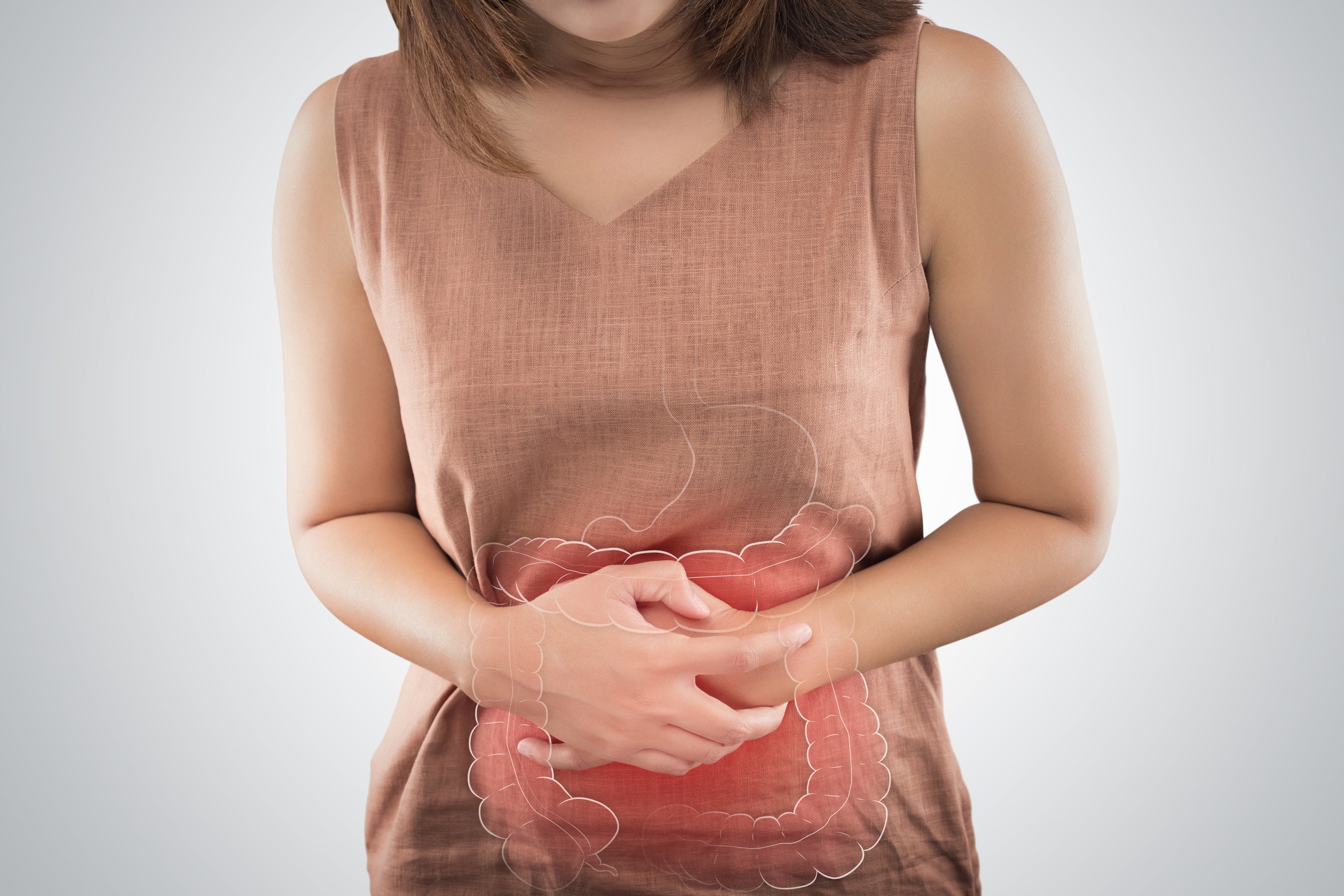
Understanding IBS
Get Care at Carilion Clinic
Don’t wait to feel better. Our expert team is here to diagnose and treat your digestive concerns with tailored care close to home. Plan a visit today and take the first step toward better digestive health.
Get Care at Carilion Clinic
Don’t wait to feel better. Our expert team is here to diagnose and treat your digestive concerns with tailored care close to home. Plan a visit today and take the first step toward better digestive health.
Get Care at Carilion Clinic
Don’t wait to feel better. Our expert team is here to diagnose and treat your digestive concerns with tailored care close to home. Plan a visit today and take the first step toward better digestive health.
Get Care at Carilion Clinic
Don’t wait to feel better. Our expert team is here to diagnose and treat your digestive concerns with tailored care close to home. Plan a visit today and take the first step toward better digestive health.