Irritable Bowel Syndrome
Irritable Bowel Syndrome
Irritable Bowel Syndrome
Having irritable bowel syndrome (IBS) can cause problems in your day-to-day life. You may not feel great because of belly pain. Or you may always be looking for a bathroom when you’re out in public, desperately afraid you won’t find one when you need it.
Doctors used to call this condition colitis, spastic bowel, or nervous colon. IBS is a more accurate description of the condition. There’s no need to feel embarrassed about this common ailment.
At Carilion Clinic, we know IBS affects your quality of life. Our gastrointestinal (GI) doctors can diagnose and treat your GI issues.
Having irritable bowel syndrome (IBS) can cause problems in your day-to-day life. You may not feel great because of belly pain. Or you may always be looking for a bathroom when you’re out in public, desperately afraid you won’t find one when you need it.
Doctors used to call this condition colitis, spastic bowel, or nervous colon. IBS is a more accurate description of the condition. There’s no need to feel embarrassed about this common ailment.
At Carilion Clinic, we know IBS affects your quality of life. Our gastrointestinal (GI) doctors can diagnose and treat your GI issues.
IBS isn’t a disease but a group of symptoms that happen together. Symptoms include:
- Bloating
- Cramping
- Pain in your belly
- Changes in your bowel habits
- Diarrhea
- Constipation
- Diarrhea and constipation
Doctors call IBS a functional gastrointestinal (GI) disorder. That means it’s related to how your brain and gut work together. Stress and anxiety can trigger your digestive tract to become more sensitive, which changes how the muscles in your bowel work.
IBS isn’t the same thing as inflammatory bowel disease (IBD). People sometimes confuse them because their symptoms and acronyms are similar. IBD has 2 main types: Crohn’s disease and ulcerative colitis. Both are diseases in which the immune system attacks the GI tissues.
What Is IBS?
IBS isn’t a disease but a group of symptoms that happen together. Symptoms include:
- Bloating
- Cramping
- Pain in your belly
- Changes in your bowel habits
- Diarrhea
- Constipation
- Diarrhea and constipation
Doctors call IBS a functional gastrointestinal (GI) disorder. That means it’s related to how your brain and gut work together. Stress and anxiety can trigger your digestive tract to become more sensitive, which changes how the muscles in your bowel work.
IBS isn’t the same thing as inflammatory bowel disease (IBD). People sometimes confuse them because their symptoms and acronyms are similar. IBD has 2 main types: Crohn’s disease and ulcerative colitis. Both are diseases in which the immune system attacks the GI tissues.
Doctors group IBS into 3 categories, depending on changes in your bowel movements. They may prescribe different medicines, depending on your type of IBS.
Many people who have IBS have regular bowel movements on some days. The 3 types of IBS refer to days when you have at least one abnormal bowel movement.
- IBS with constipation: More than a quarter of your stools are hard or lumpy. Less than a quarter of your stools are loose or watery.
- IBS with diarrhea: More than a quarter of your stools are loose and watery. Less than a quarter of your stools are hard and lumpy.
- IBS with mixed bowel habits: More than a quarter of your stools are hard and lumpy AND more than a quarter are loose and watery.
Types of IBS
Doctors group IBS into 3 categories, depending on changes in your bowel movements. They may prescribe different medicines, depending on your type of IBS.
Many people who have IBS have regular bowel movements on some days. The 3 types of IBS refer to days when you have at least one abnormal bowel movement.
- IBS with constipation: More than a quarter of your stools are hard or lumpy. Less than a quarter of your stools are loose or watery.
- IBS with diarrhea: More than a quarter of your stools are loose and watery. Less than a quarter of your stools are hard and lumpy.
- IBS with mixed bowel habits: More than a quarter of your stools are hard and lumpy AND more than a quarter are loose and watery.
Doctors aren’t sure what causes IBS. It may be a mix of factors that vary from person to person.
Risk factors for IBS include:
- A family history of IBS
- Difficult or stressful childhood events, such as trauma, physical or sexual abuse
- Mental health problems, including anxiety, depression, and somatic symptom disorder
- Bacterial infections in your digestive tract
- Bacterial overgrowth in your small intestine
- Food sensitivities or intolerances
People with IBS sometimes have other health problems.
Common health issues linked with IBS include:
- Chronic pain conditions: Fibromyalgia, chronic fatigue syndrome, and chronic pelvic pain
- Digestive conditions: Gastroesophageal reflux disease and indigestion
- Mental health issues: Anxiety, depression, and somatic symptom disorder
Risk Factors for IBS
Doctors aren’t sure what causes IBS. It may be a mix of factors that vary from person to person.
Risk factors for IBS include:
- A family history of IBS
- Difficult or stressful childhood events, such as trauma, physical or sexual abuse
- Mental health problems, including anxiety, depression, and somatic symptom disorder
- Bacterial infections in your digestive tract
- Bacterial overgrowth in your small intestine
- Food sensitivities or intolerances
People with IBS sometimes have other health problems.
Common health issues linked with IBS include:
- Chronic pain conditions: Fibromyalgia, chronic fatigue syndrome, and chronic pelvic pain
- Digestive conditions: Gastroesophageal reflux disease and indigestion
- Mental health issues: Anxiety, depression, and somatic symptom disorder
There’s no test for IBS. Instead, your doctor will ask you about your medical history and symptoms. They may run blood or stool tests to rule out other conditions.
Your doctor may suggest a mix of care options for IBS.
Lifestyle changes
Making some simple changes to your everyday habits may help calm your IBS. Your doctor may suggest:
- Changing your diet: Eating more fiber and cutting out carbs that are hard to digest may help. A nutritionist can help you map out an eating plan.
- Exercising: Physical activity can decrease IBS symptoms. Walking, jogging, swimming, or biking 30 minutes a day, 5 times a week may help.
- Managing stress: Reducing stress and getting better sleep can help calm IBS symptoms. A therapist or counselor can suggest ways to reduce stress that fit your lifestyle. Cognitive behavioral therapy, hypnotherapy, or relaxation training can also help.
Medicine
Your doctor may also prescribe some medicines for you. These may include antidiarrheals, laxatives, and other medicines.
They may also suggest taking a fiber supplement and probiotics. Probiotics are live bacteria similar to those found in a healthy digestive tract. They may be helpful to people with IBS.
How We Treat IBS
There’s no test for IBS. Instead, your doctor will ask you about your medical history and symptoms. They may run blood or stool tests to rule out other conditions.
Your doctor may suggest a mix of care options for IBS.
Lifestyle changes
Making some simple changes to your everyday habits may help calm your IBS. Your doctor may suggest:
- Changing your diet: Eating more fiber and cutting out carbs that are hard to digest may help. A nutritionist can help you map out an eating plan.
- Exercising: Physical activity can decrease IBS symptoms. Walking, jogging, swimming, or biking 30 minutes a day, 5 times a week may help.
- Managing stress: Reducing stress and getting better sleep can help calm IBS symptoms. A therapist or counselor can suggest ways to reduce stress that fit your lifestyle. Cognitive behavioral therapy, hypnotherapy, or relaxation training can also help.
Medicine
Your doctor may also prescribe some medicines for you. These may include antidiarrheals, laxatives, and other medicines.
They may also suggest taking a fiber supplement and probiotics. Probiotics are live bacteria similar to those found in a healthy digestive tract. They may be helpful to people with IBS.
At Carilion, we know how IBS can ruin your day. Our GI doctors are familiar with the latest tools and care options. Our goal is to help you manage your condition so you can enjoy daily life without the worry of dealing with IBS symptoms. We offer:

A team approach
Your IBS care team may include experts in mental health, gastroenterology, and nutrition.

Tailored care
From diagnosis and treatment to follow-up, we match your care plan to your needs.

Experts close to home
You don’t have to travel far to see a top specialist in IBS. We offer IBS treatment at many of our regional locations.
Why Choose Carilion Clinic?
At Carilion, we know how IBS can ruin your day. Our GI doctors are familiar with the latest tools and care options. Our goal is to help you manage your condition so you can enjoy daily life without the worry of dealing with IBS symptoms. We offer:
Health and Wellness
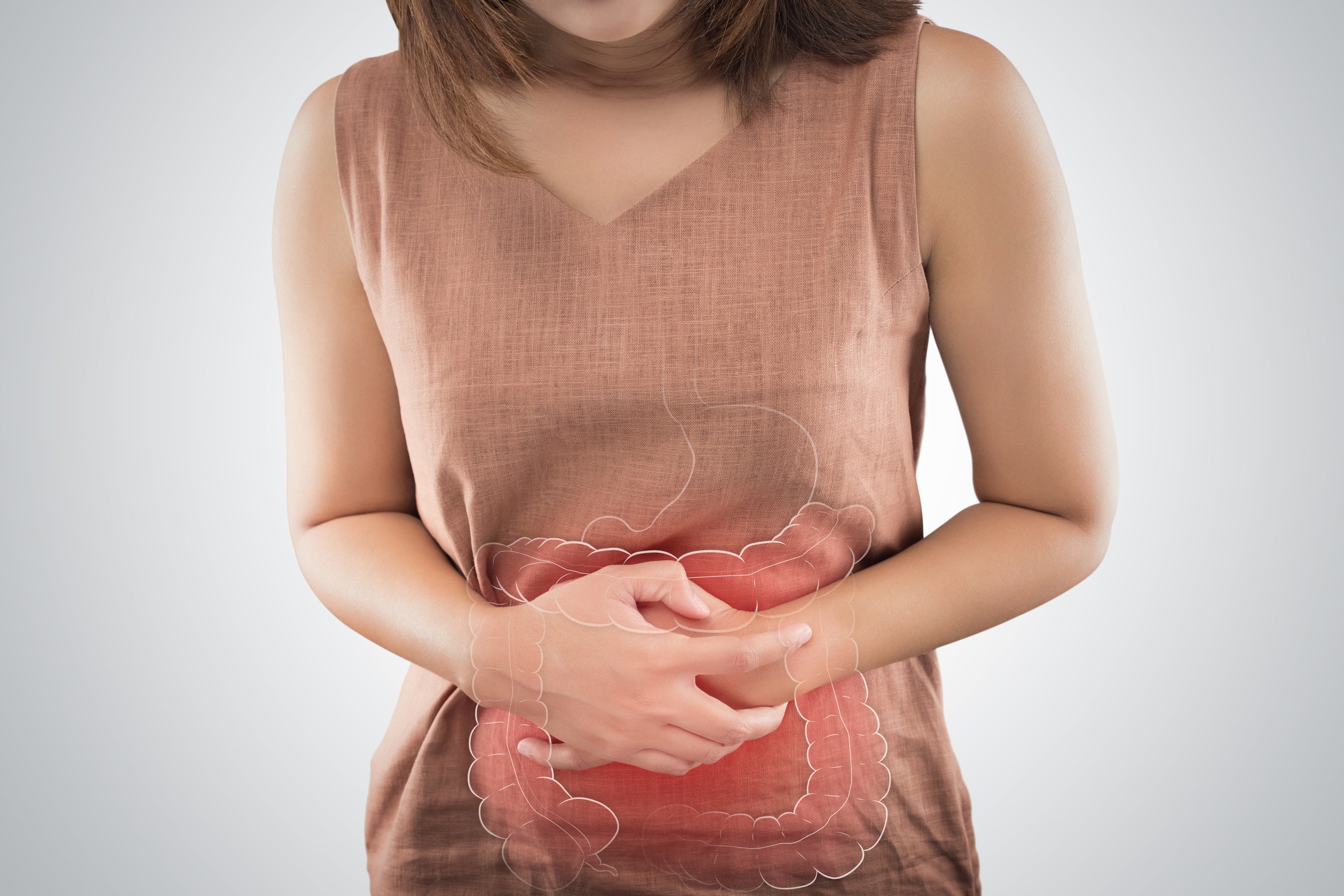
Understanding IBS

Colorectal Cancer: Why Younger Adults Should Pay Attention
8 Reasons Why You Need a Colonoscopy
Get Care at Carilion Clinic
Don’t wait to feel better. Our expert team is here to diagnose and treat your digestive concerns with tailored care close to home. Plan a visit today and take the first step toward better digestive health.
Get Care at Carilion Clinic
Don’t wait to feel better. Our expert team is here to diagnose and treat your digestive concerns with tailored care close to home. Plan a visit today and take the first step toward better digestive health.
Get Care at Carilion Clinic
Don’t wait to feel better. Our expert team is here to diagnose and treat your digestive concerns with tailored care close to home. Plan a visit today and take the first step toward better digestive health.
Get Care at Carilion Clinic
Don’t wait to feel better. Our expert team is here to diagnose and treat your digestive concerns with tailored care close to home. Plan a visit today and take the first step toward better digestive health.