Perimenopause and Menopause
Perimenopause and Menopause
Perimenopause and Menopause
Perimenopause is a time of transition. The end of your monthly cycle happens in stages over several years as hormone levels change, allowing your body to gradually adjust.
Some women sail through this time, barely even noticing the change. Others have hot flashes, night sweats, and mood swings—all the classic menopause symptoms.
At Carilion Clinic, we believe that menopause is a normal event in every woman’s life. It’s not a disease or disorder but a normal part of aging.
We’re here to help you age gracefully. We can treat bothersome symptoms and help you make lifestyle changes as your body changes.
Perimenopause is a time of transition. The end of your monthly cycle happens in stages over several years as hormone levels change, allowing your body to gradually adjust.
Some women sail through this time, barely even noticing the change. Others have hot flashes, night sweats, and mood swings—all the classic menopause symptoms.
At Carilion Clinic, we believe that menopause is a normal event in every woman’s life. It’s not a disease or disorder but a normal part of aging.
We’re here to help you age gracefully. We can treat bothersome symptoms and help you make lifestyle changes as your body changes.
Officially, a person with a previously normal menstrual cycle is in menopause when they haven’t had a period for 12 months. Your periods stop because your ovaries gradually stop making the hormones estrogen and progesterone. Estrogen is the hormone that controls your menstrual cycle.
Once your periods stop, you can no longer get pregnant. Most people go through menopause somewhere between 45 and 55 years old. The average age in the U.S. is 51.
People used to call menopause “the change of life,” but it isn’t a sudden change. The hormonal shifts that trigger it begin years earlier, with a stage called perimenopause. The symptoms that we typically associate with menopause can begin during this phase.
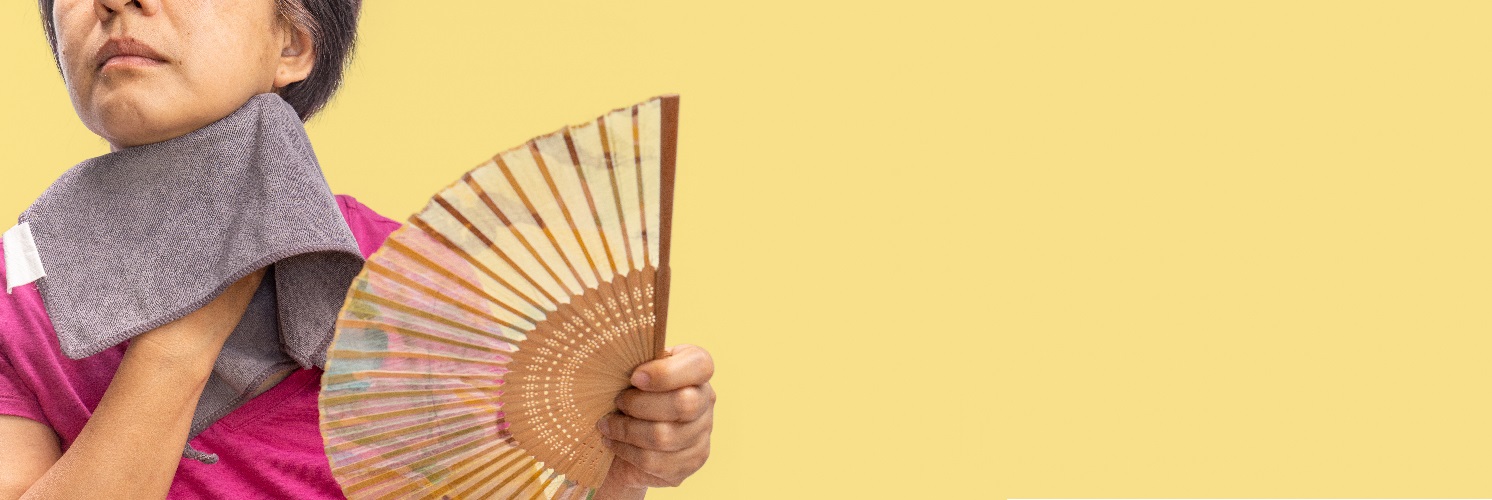
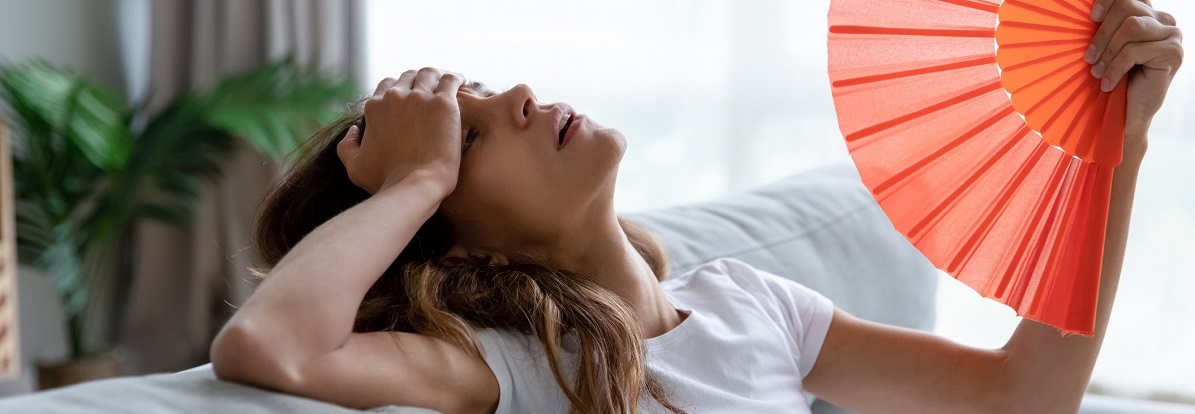
Typical signs include weight gain, night sweats, and hot flashes. Hot flashes are a sudden feeling of intense warmth, usually noticeable over the face, neck, and chest that often comes with sweating and sometimes a red, flushed appearance of the skin. Hot flashes can interrupt daily activities and disrupt sleep. You may have mood swings, vaginal dryness, and trouble sleeping. Many people have bladder leaks, as well.
Estrogen plays a role in our bones, heart, and other organs. So, postmenopausal people are at greater risk for some diseases. These include osteoporosis, heart disease, and stroke.
It’s important to keep seeing your OB/GYN regularly through menopause and beyond.
What Is Menopause?
Officially, a person with a previously normal menstrual cycle is in menopause when they haven’t had a period for 12 months. Your periods stop because your ovaries gradually stop making the hormones estrogen and progesterone. Estrogen is the hormone that controls your menstrual cycle.
Once your periods stop, you can no longer get pregnant. Most people go through menopause somewhere between 45 and 55 years old. The average age in the U.S. is 51.
People used to call menopause “the change of life,” but it isn’t a sudden change. The hormonal shifts that trigger it begin years earlier, with a stage called perimenopause. The symptoms that we typically associate with menopause can begin during this phase.
Typical signs include weight gain, night sweats, and hot flashes. Hot flashes are a sudden feeling of intense warmth, usually noticeable over the face, neck, and chest that often comes with sweating and sometimes a red, flushed appearance of the skin. Hot flashes can interrupt daily activities and disrupt sleep. You may have mood swings, vaginal dryness, and trouble sleeping. Many people have bladder leaks, as well.
Estrogen plays a role in our bones, heart, and other organs. So, postmenopausal people are at greater risk for some diseases. These include osteoporosis, heart disease, and stroke.
It’s important to keep seeing your OB/GYN regularly through menopause and beyond.
Menopause isn’t a one-time occurrence. It happens gradually, over a decade or more, in stages as changing hormones affect the body.
It’s important to remember that this change affects people in different ways. Your symptoms may not be what your friends or relatives went through.
Perimenopause
Perimenopause is the time leading up to menopause. It typically begins 8 to 10 years before but can start as early as your 30s.
Most people first notice a change in their periods as the first sign of perimenopause. Your periods might become irregular, lighter, or heavier than normal. Some people have typical menopause symptoms (hot flashes, night sweats, mood swings).
If you’re still having periods—even though they’re irregular—you’re not in menopause yet. There’s also still a chance you could get pregnant at this point. If you don't desire pregnancy, you should continue preventing pregnancy until a year after your last period.
Perimenopause isn't the same thing as premature or early menopause. Early is when your periods stop before age 40.
Sometimes, there is no known reason for early menopause. In other cases, it happens because you’ve had your ovaries removed or chemotherapy damaged them.
Menopause
Menopause is when you’ve gone 12 months without a period.
Post-menopause
Post-menopause is the rest of your life after menopause. For most people, the symptoms gradually diminish. You’re at a higher risk of health issues like osteoporosis and heart disease during this time.
Stages of Menopause
Menopause isn’t a one-time occurrence. It happens gradually, over a decade or more, in stages as changing hormones affect the body.
It’s important to remember that this change affects people in different ways. Your symptoms may not be what your friends or relatives went through.
Perimenopause
Perimenopause is the time leading up to menopause. It typically begins 8 to 10 years before but can start as early as your 30s.
Most people first notice a change in their periods as the first sign of perimenopause. Your periods might become irregular, lighter, or heavier than normal. Some people have typical menopause symptoms (hot flashes, night sweats, mood swings).
If you’re still having periods—even though they’re irregular—you’re not in menopause yet. There’s also still a chance you could get pregnant at this point. If you don't desire pregnancy, you should continue preventing pregnancy until a year after your last period.
Perimenopause isn't the same thing as premature or early menopause. Early is when your periods stop before age 40.
Sometimes, there is no known reason for early menopause. In other cases, it happens because you’ve had your ovaries removed or chemotherapy damaged them.
Menopause
Menopause is when you’ve gone 12 months without a period.
Post-menopause
Post-menopause is the rest of your life after menopause. For most people, the symptoms gradually diminish. You’re at a higher risk of health issues like osteoporosis and heart disease during this time.
Menopause is a natural time in a woman’s life. That doesn’t mean it’s always easy. You may not need any treatment for these symptoms. But if you do, our doctors have many ways to help.
Lifestyle changes
Many people can manage their symptoms by making simple changes to their daily routine. You should:
- Dress in layers and carry a portable fan
- Prioritize sleep
- Avoid hot flash triggers (often spicy foods, alcohol, and caffeine)
- Quit or cut back on smoking
- Get regular exercise
- Maintain a healthy weight
- Try meditation, yoga, and deep breathing
Hormone medicines
For some people, hormone therapy (HT) helps ease menopause symptoms. For others, simple lifestyle changes like diet and exercise are enough to keep them feeling healthy and vibrant.
HT replaces the hormones you lose during this change. It comes in patch, pill, cream, gel, spray, or vaginal ring form. There are 2 types of HT:
- Estrogen therapy for people who’ve had their uterus removed (usually during a hysterectomy). This is a good option for people who have had their ovaries removed and are in premature medical menopause.
- Combination therapy is for people who still have a uterus. It combines estrogen and progestin (a type of progesterone made in a lab). Estrogen alone can increase the risk of uterine cancer in this group.
Your doctor can tell you what type of HT is right for you.
Non-hormonal medicines
Your doctor may suggest treatment options to help ease symptoms. They include:
- Antidepressants
- Blood pressure medicine
- Osteoporosis medicine
- Low-dose birth control pills to regulate heavy periods
- Lubricants for vaginal dryness
- Cognitive behavioral therapy for insomnia
- Pelvic floor therapy for incontinence
How We Treat Menopause Symptoms
Menopause is a natural time in a woman’s life. That doesn’t mean it’s always easy. You may not need any treatment for these symptoms. But if you do, our doctors have many ways to help.
Lifestyle changes
Many people can manage their symptoms by making simple changes to their daily routine. You should:
- Dress in layers and carry a portable fan
- Prioritize sleep
- Avoid hot flash triggers (often spicy foods, alcohol, and caffeine)
- Quit or cut back on smoking
- Get regular exercise
- Maintain a healthy weight
- Try meditation, yoga, and deep breathing
Hormone medicines
For some people, hormone therapy (HT) helps ease menopause symptoms. For others, simple lifestyle changes like diet and exercise are enough to keep them feeling healthy and vibrant.
HT replaces the hormones you lose during this change. It comes in patch, pill, cream, gel, spray, or vaginal ring form. There are 2 types of HT:
- Estrogen therapy for people who’ve had their uterus removed (usually during a hysterectomy). This is a good option for people who have had their ovaries removed and are in premature medical menopause.
- Combination therapy is for people who still have a uterus. It combines estrogen and progestin (a type of progesterone made in a lab). Estrogen alone can increase the risk of uterine cancer in this group.
Your doctor can tell you what type of HT is right for you.
Non-hormonal medicines
Your doctor may suggest treatment options to help ease symptoms. They include:
- Antidepressants
- Blood pressure medicine
- Osteoporosis medicine
- Low-dose birth control pills to regulate heavy periods
- Lubricants for vaginal dryness
- Cognitive behavioral therapy for insomnia
- Pelvic floor therapy for incontinence
At Carilion, our experts help people manage the changes of menopause. Our experts can help you feel your best whether your symptoms are mild or severe.

Care for all
Our goal is to improve the health and well-being of people of all ages in our community. We care for people in all phases of life. We understand the needs of people going through this change in their body.

Fellowship-trained experts
We have the only fellowship-trained, board-certified urogynecologists in the area. They treat problems of the pelvic floor, including the incontinence that sometimes comes with menopause.
Why Choose Carilion Clinic?
At Carilion, our experts help people manage the changes of menopause. Our experts can help you feel your best whether your symptoms are mild or severe.
Health and Wellness
Common Questions About Menopause
Too Young for Menopause?

Perimenopause: What To Expect
Get Care at Carilion Clinic
Your path to better health starts here. Explore comprehensive care options and find the support you need for every step of your wellness journey.
Get Care at Carilion Clinic
Your path to better health starts here. Explore comprehensive care options and find the support you need for every step of your wellness journey.
Get Care at Carilion Clinic
Your path to better health starts here. Explore comprehensive care options and find the support you need for every step of your wellness journey.
Get Care at Carilion Clinic
Your path to better health starts here. Explore comprehensive care options and find the support you need for every step of your wellness journey.