High-Risk Pregnancy
High-Risk Pregnancy
High-Risk Pregnancy
Most pregnancies are routine and without any major problems. However, doctors consider some pregnancies to be at a high risk of health issues.
Things like your age, pre-existing health issues, prior complications in pregnancy, and twins or triplets can make your pregnancy high-risk. High-risk pregnancies may require more visits to ensure you have the care you and your baby need.
Our OB/GYN physicians and maternal-fetal medicine doctors (MFM or perinatologists) care for high-risk pregnancies. They're OB/GYNs with extra training in pregnancy complications and complicated pregnancies.
At Carilion Clinic, we help people with high-risk pregnancies achieve the best possible outcomes.
Most pregnancies are routine and without any major problems. However, doctors consider some pregnancies to be at a high risk of health issues.
Things like your age, pre-existing health issues, prior complications in pregnancy, and twins or triplets can make your pregnancy high-risk. High-risk pregnancies may require more visits to ensure you have the care you and your baby need.
Our OB/GYN physicians and maternal-fetal medicine doctors (MFM or perinatologists) care for high-risk pregnancies. They're OB/GYNs with extra training in pregnancy complications and complicated pregnancies.
At Carilion Clinic, we help people with high-risk pregnancies achieve the best possible outcomes.
A high-risk pregnancy is one with a greater chance of health issues. In many cases—such as age—you can't prevent a high-risk pregnancy. But you can still get the best care possible.
Here are some of the most common reasons your pregnancy may be high-risk:
- Abnormal scans or tests: Sometimes tests reveal a health issue in you or your baby, such as a blood type incompatibility or a genetic or physical condition. Your OB/GYN may refer you to a high-risk pregnancy specialist for further evaluation.
- Age: Pregnant people under 17 or over 35, are more likely to get high blood pressure (preeclampsia). Older people are also more likely to lose a pregnancy or have issues with delivery. They're also more likely to have a baby with a genetic change like Down syndrome.
- History of miscarriage or preterm birth: If you’ve had multiple losses or an early delivery, your next pregnancy is high-risk. You may be more likely to have a miscarriage or preterm labor and birth again.
- Substance use: Smoking, drinking alcohol, or taking drugs during pregnancy raises the risk of health issues. If you have a substance use disorder and are pregnant, seek help from our specialty clinic.
- Multiples: Carrying more than one baby—twins, triplets, or more—makes your pregnancy high-risk. You're more likely to have health issues, and the babies may come early.
- Obesity: Being obese raises your chances of getting gestational diabetes. It can also raise your chances of having a large baby, making delivery more difficult.
- Pre-existing health issues: If you have a chronic health problem, you may need special care. These include high blood pressure, diabetes, kidney disease, or polycystic ovary syndrome.
- Hyperemesis gravidarum: Severe nausea and vomiting can lead to weight loss and hospitalization. It's much more serious than the usual "morning sickness.”
These factors can make you more likely to get health problems called pregnancy complications. They may put your health and your baby's health at risk. Not all high-risk pregnancies have complications.
Health issues that may be more likely include:
- Gestational diabetes: High blood sugar while pregnant. It raises your risk of early delivery and preeclampsia. You're also at risk of health issues during delivery due to a larger-than-normal baby.
- Placenta previa: When the placenta covers part or all of the opening of the cervix. It may result in severe bleeding and premature labor.
- Placental abruption: When the placenta detaches from the uterine wall before delivery. The unborn baby doesn't get enough oxygen.
- Preeclampsia: High blood pressure while pregnant. Preeclampsia can damage your kidneys and other organs. If you don’t get treatment, preeclampsia may lead to eclampsia, a life-threatening health issue.
- Pregnancy loss: A miscarriage is a loss from natural causes before 20 weeks. Stillbirth is a loss after 20 weeks.
- Preterm labor: Labor that begins before the 37 weeks. When born early, babies are more likely to have health issues and have developmental delays.
What Is a High-Risk Pregnancy?
A high-risk pregnancy is one with a greater chance of health issues. In many cases—such as age—you can't prevent a high-risk pregnancy. But you can still get the best care possible.
Here are some of the most common reasons your pregnancy may be high-risk:
- Abnormal scans or tests: Sometimes tests reveal a health issue in you or your baby, such as a blood type incompatibility or a genetic or physical condition. Your OB/GYN may refer you to a high-risk pregnancy specialist for further evaluation.
- Age: Pregnant people under 17 or over 35, are more likely to get high blood pressure (preeclampsia). Older people are also more likely to lose a pregnancy or have issues with delivery. They're also more likely to have a baby with a genetic change like Down syndrome.
- History of miscarriage or preterm birth: If you’ve had multiple losses or an early delivery, your next pregnancy is high-risk. You may be more likely to have a miscarriage or preterm labor and birth again.
- Substance use: Smoking, drinking alcohol, or taking drugs during pregnancy raises the risk of health issues. If you have a substance use disorder and are pregnant, seek help from our specialty clinic.
- Multiples: Carrying more than one baby—twins, triplets, or more—makes your pregnancy high-risk. You're more likely to have health issues, and the babies may come early.
- Obesity: Being obese raises your chances of getting gestational diabetes. It can also raise your chances of having a large baby, making delivery more difficult.
- Pre-existing health issues: If you have a chronic health problem, you may need special care. These include high blood pressure, diabetes, kidney disease, or polycystic ovary syndrome.
- Hyperemesis gravidarum: Severe nausea and vomiting can lead to weight loss and hospitalization. It's much more serious than the usual "morning sickness.”
These factors can make you more likely to get health problems called pregnancy complications. They may put your health and your baby's health at risk. Not all high-risk pregnancies have complications.
Health issues that may be more likely include:
- Gestational diabetes: High blood sugar while pregnant. It raises your risk of early delivery and preeclampsia. You're also at risk of health issues during delivery due to a larger-than-normal baby.
- Placenta previa: When the placenta covers part or all of the opening of the cervix. It may result in severe bleeding and premature labor.
- Placental abruption: When the placenta detaches from the uterine wall before delivery. The unborn baby doesn't get enough oxygen.
- Preeclampsia: High blood pressure while pregnant. Preeclampsia can damage your kidneys and other organs. If you don’t get treatment, preeclampsia may lead to eclampsia, a life-threatening health issue.
- Pregnancy loss: A miscarriage is a loss from natural causes before 20 weeks. Stillbirth is a loss after 20 weeks.
- Preterm labor: Labor that begins before the 37 weeks. When born early, babies are more likely to have health issues and have developmental delays.
Treatment will depend on the cause of your high-risk pregnancy. Some high-risk pregnancies may benefit from additional visits and testing.
Your maternal-fetal doctor will work with you to get the best treatment plan for you and your baby. It may include:
- Genetic testing and counseling: Our genetic counselors help figure out if your baby has a genetic disorder. This allows our experts to provide the best care for you and your unborn baby.
- Lifestyle changes: Your doctor may suggest changes to your lifestyle. A healthy eating plan can help you gain weight if you feel sick. A moderate exercise program can help keep you healthy and active if you're dealing with diabetes.
- Medication: Medicines can slow premature labor or help control blood pressure or blood sugar. Your doctor can discuss what medicines are safe to take. If you have a chronic health issue, you may need to change medicines or dosage to one that's safer for the baby.
- More frequent doctor visits: You'll see your doctor more often than the typical prenatal checkup schedule. They may have you come in regularly for non-stress tests to check on the baby.
- More frequent testing: You may have more ultrasounds or blood tests than with an uncomplicated pregnancy. They may have you monitor your blood pressure at home.
How We Treat High-Risk Pregnancy
Treatment will depend on the cause of your high-risk pregnancy. Some high-risk pregnancies may benefit from additional visits and testing.
Your maternal-fetal doctor will work with you to get the best treatment plan for you and your baby. It may include:
- Genetic testing and counseling: Our genetic counselors help figure out if your baby has a genetic disorder. This allows our experts to provide the best care for you and your unborn baby.
- Lifestyle changes: Your doctor may suggest changes to your lifestyle. A healthy eating plan can help you gain weight if you feel sick. A moderate exercise program can help keep you healthy and active if you're dealing with diabetes.
- Medication: Medicines can slow premature labor or help control blood pressure or blood sugar. Your doctor can discuss what medicines are safe to take. If you have a chronic health issue, you may need to change medicines or dosage to one that's safer for the baby.
- More frequent doctor visits: You'll see your doctor more often than the typical prenatal checkup schedule. They may have you come in regularly for non-stress tests to check on the baby.
- More frequent testing: You may have more ultrasounds or blood tests than with an uncomplicated pregnancy. They may have you monitor your blood pressure at home.


Our maternal-fetal specialists are experts in treating high-risk pregnancies, including multiples or pre-existing conditions. At Carilion, your health and your baby’s safety are our top priorities.

Complete care
We offer complete OB/GYN care to thousands in Southwest Virginia every year. We offer routine annual exams and prenatal care. We also care for high-risk pregnancies and treat gynecologic cancer.

Care for babies who need extra help
We have 2 high-risk pregnancy centers and the only Level IIIB NICU in the region. If you need to deliver early or health issues arise, you and your baby can access the most up-to-date care.

Integrated genetics care
Our prenatal genetic counselors can help you understand your baby’s genetic differences. This helps our doctors provide the best possible care.

High-risk pregnancy experts
We're the region's only maternal-fetal medicine program. Our team of perinatologists are experts in high-risk pregnancies and pregnancy complications.
Why Choose Carilion Clinic?
Our maternal-fetal specialists are experts in treating high-risk pregnancies, including multiples or pre-existing conditions. At Carilion, your health and your baby’s safety are our top priorities.
Patient Stories
We likely would not be living here, if we didn't have all of the specialists here through Carilion."
Health and Wellness
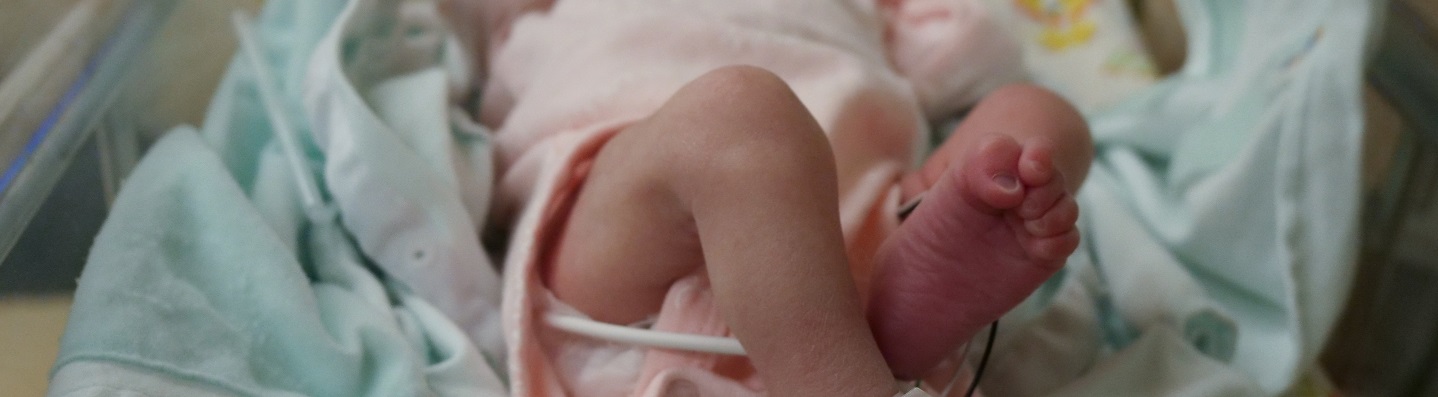
NICUs: Specialized Care for Special Babies
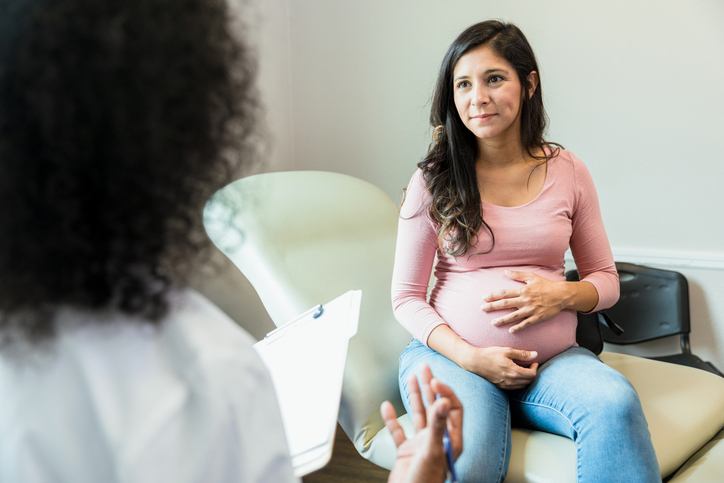
Maternal Fetal Medicine: Support for High-Risk Pregnancies

Exercise and Pregnancy: A Beautiful Thing!
Get Care at Carilion Clinic
Your path to better health starts here. Explore comprehensive care options and find the support you need for every step of your wellness journey.
Get Care at Carilion Clinic
Your path to better health starts here. Explore comprehensive care options and find the support you need for every step of your wellness journey.
Get Care at Carilion Clinic
Your path to better health starts here. Explore comprehensive care options and find the support you need for every step of your wellness journey.
Get Care at Carilion Clinic
Your path to better health starts here. Explore comprehensive care options and find the support you need for every step of your wellness journey.