Kidney Stones
Kidney Stones
Kidney Stones
Kidney stones are small solid crystals made from minerals in urine. They can cause pain and urinary symptoms.
Kidney stones can pass on their own. Ask your primary care team for advice on home treatment while passing a stone. If stones cause a lot of pain, keep coming back, or don’t pass on their own, our urologists have many ways we can help.
Kidney stones are small solid crystals made from minerals in urine. They can cause pain and urinary symptoms.
Kidney stones can pass on their own. Ask your primary care team for advice on home treatment while passing a stone. If stones cause a lot of pain, keep coming back, or don’t pass on their own, our urologists have many ways we can help.
Your kidneys (most people have 2) make urine, and your bladder stores the urine. Sometimes, the minerals and proteins in your urine crystallize into stones. These stones can form in your bladder or kidneys.
Both bladder and kidney stones can be painful. Although they aren't the same, we diagnose and treat them in similar ways. Kidney stones are more common.
Small stones can pass through the urinary tract in your urine. But if the stones become too large, they can block your urinary tract and cause pain and other problems.
Any blood in your urine is a reason to seek care immediately. Report it to your primary care doctor or urologist right away. They’ll let you know if you need to go to urgent care.
The most common cause of kidney stones is dehydration. Being dehydrated makes your urine more concentrated. Stones can form when there's not enough fluid to dissolve the minerals in your urine.
For calcium kidney stones (the most common type), having too much calcium in your urine is a main cause. This doesn't mean you're eating too much calcium and need to get less. For many people with calcium kidney stones, sodium is the thing to limit. Increased sodium in the urine can also lead to increased calcium in the urine, which increases your risk for forming calcium stone crystals.
Your kidneys might be more likely to form stones if a kidney or areas of your kidney doesn't drain urine well. Mineral crystals are more likely to crystallize into kidney stones in areas of slowly draining or blocked urine flow.
Family history and certain conditions like Crohn's disease can also cause kidney stones.
Kidney versus bladder stone: What’s the difference?
Bladder stones form if your bladder doesn't completely empty when you pee. For men, urine can become trapped by an enlarged prostate.
A weak bladder wall can also trap urine in the bladder. Urinary tract infections (UTI) can also lead to kidney and bladder stones.
Symptoms of a bladder stone can be similar to those for kidney stones. Both can cause pain and can cause blood in your urine. If you’re in a lot of pain or see blood in your pee, talk to your doctor right away.
Bladder stones are more likely to cause urinary symptoms like:
- Frequent urination
- Difficulty starting or stopping urination
- A weak urine stream
- Feeling like the bladder isn’t fully empty
Kidney stones are more likely to cause:
- Severe flank or back pain
- Pain that radiates to the groin
- Nausea and vomiting
What Are Kidney Stones?
Your kidneys (most people have 2) make urine, and your bladder stores the urine. Sometimes, the minerals and proteins in your urine crystallize into stones. These stones can form in your bladder or kidneys.
Both bladder and kidney stones can be painful. Although they aren't the same, we diagnose and treat them in similar ways. Kidney stones are more common.
Small stones can pass through the urinary tract in your urine. But if the stones become too large, they can block your urinary tract and cause pain and other problems.
Any blood in your urine is a reason to seek care immediately. Report it to your primary care doctor or urologist right away. They’ll let you know if you need to go to urgent care.
The most common cause of kidney stones is dehydration. Being dehydrated makes your urine more concentrated. Stones can form when there's not enough fluid to dissolve the minerals in your urine.
For calcium kidney stones (the most common type), having too much calcium in your urine is a main cause. This doesn't mean you're eating too much calcium and need to get less. For many people with calcium kidney stones, sodium is the thing to limit. Increased sodium in the urine can also lead to increased calcium in the urine, which increases your risk for forming calcium stone crystals.
Your kidneys might be more likely to form stones if a kidney or areas of your kidney doesn't drain urine well. Mineral crystals are more likely to crystallize into kidney stones in areas of slowly draining or blocked urine flow.
Family history and certain conditions like Crohn's disease can also cause kidney stones.
Kidney versus bladder stone: What’s the difference?
Bladder stones form if your bladder doesn't completely empty when you pee. For men, urine can become trapped by an enlarged prostate.
A weak bladder wall can also trap urine in the bladder. Urinary tract infections (UTI) can also lead to kidney and bladder stones.
Symptoms of a bladder stone can be similar to those for kidney stones. Both can cause pain and can cause blood in your urine. If you’re in a lot of pain or see blood in your pee, talk to your doctor right away.
Bladder stones are more likely to cause urinary symptoms like:
- Frequent urination
- Difficulty starting or stopping urination
- A weak urine stream
- Feeling like the bladder isn’t fully empty
Kidney stones are more likely to cause:
- Severe flank or back pain
- Pain that radiates to the groin
- Nausea and vomiting
Not all kidney stones need medical attention. Many stones pass with no intervention.
Your primary care team can advise you on treating mild pain from small stones and suggest lifestyle changes to prevent future stones.
The main treatment for mild stones is waiting for the stone to pass. Smaller stones may pass on their own. It can take 4 – 6 weeks for a stone to pass.
Your primary care team will refer you to a urologist if the stone:
- Is causing a lot of pain
- Is unlikely to pass on its own
- Causes complications, like a UTI, blocked urine flow, or kidney swelling
Your Carilion urologist will do a medical exam and take a history. We'll ask about your symptoms, including when they started and what you've already tried.
We may also order tests such as:
- Urine test to check for minerals or blood
- CT scan, a type of layered X-ray, for a detailed view of your kidneys
- Ultrasound, which creates images using sound waves, to view your kidneys
If a stone is causing serious problems, your urologist can provide relief using methods including:
- Stenting: We insert a flexible tube (stent) into the ureter, which helps urine flow from the kidneys. This is a temporary solution to help your kidney drain but does not treat the actual stone. There are reasons your urologist may recommend this procedure before treating your stone.
- Shock wave lithotripsy: We use shock waves to try to break up the stones in the kidney. This procedure usually requires anesthesia.
- Ureteroscopy: We use a small scope to remove the stone from the bladder or kidney. It doesn't require an incision but does require anesthesia.
- Surgery: We use other procedures to break up and remove larger stones from the bladder or kidney. If all other options fail, we can do specialized minimally invasive surgery.
How We Care for Kidney Stones
Not all kidney stones need medical attention. Many stones pass with no intervention.
Your primary care team can advise you on treating mild pain from small stones and suggest lifestyle changes to prevent future stones.
The main treatment for mild stones is waiting for the stone to pass. Smaller stones may pass on their own. It can take 4 – 6 weeks for a stone to pass.
Your primary care team will refer you to a urologist if the stone:
- Is causing a lot of pain
- Is unlikely to pass on its own
- Causes complications, like a UTI, blocked urine flow, or kidney swelling
Your Carilion urologist will do a medical exam and take a history. We'll ask about your symptoms, including when they started and what you've already tried.
We may also order tests such as:
- Urine test to check for minerals or blood
- CT scan, a type of layered X-ray, for a detailed view of your kidneys
- Ultrasound, which creates images using sound waves, to view your kidneys
If a stone is causing serious problems, your urologist can provide relief using methods including:
- Stenting: We insert a flexible tube (stent) into the ureter, which helps urine flow from the kidneys. This is a temporary solution to help your kidney drain but does not treat the actual stone. There are reasons your urologist may recommend this procedure before treating your stone.
- Shock wave lithotripsy: We use shock waves to try to break up the stones in the kidney. This procedure usually requires anesthesia.
- Ureteroscopy: We use a small scope to remove the stone from the bladder or kidney. It doesn't require an incision but does require anesthesia.
- Surgery: We use other procedures to break up and remove larger stones from the bladder or kidney. If all other options fail, we can do specialized minimally invasive surgery.
From routine urology care to complex surgery, we treat every type of urological problem. People across Virginia and neighboring states have come to trust the urology specialists at Carilion.

We offer a range of surgical options
Kidney stones can strike both men and women, causing extreme discomfort. Our skilled team of urology surgeons has experience performing traditional surgery and minimally invasive procedures.

Nationally recognized for urology care
U.S. News & World Report recognizes Carilion Roanoke Memorial Hospital as a high-performing hospital for urology.

Expert team
When you seek care at Carilion, you're coming to a place where specialists routinely collaborate. We especially work closely with urogynecologists, kidney specialists, and cancer specialists.
Why Choose Carilion Clinic?
From routine urology care to complex surgery, we treat every type of urological problem. People across Virginia and neighboring states have come to trust the urology specialists at Carilion.
Health and Wellness
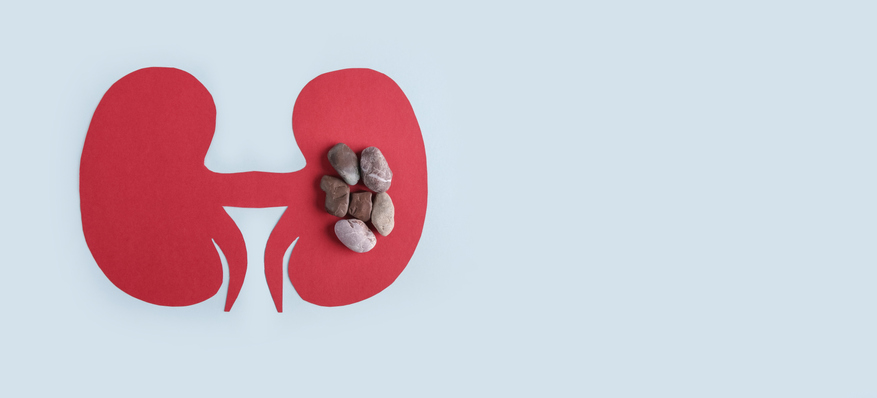
Kidney Stone Prevention and Management
Bladder-Control Basics
What Should You Drink After Exercising?
Get Care at Carilion Clinic
Treating the people of western Virginia for more than 70 years, we’re proud to continue bringing the latest urology treatments to our community. We’re working to make it easier than ever to connect with us and find the care you need.
Get Care at Carilion Clinic
Treating the people of western Virginia for more than 70 years, we’re proud to continue bringing the latest urology treatments to our community. We’re working to make it easier than ever to connect with us and find the care you need.
Get Care at Carilion Clinic
Treating the people of western Virginia for more than 70 years, we’re proud to continue bringing the latest urology treatments to our community. We’re working to make it easier than ever to connect with us and find the care you need.
Get Care at Carilion Clinic
Treating the people of western Virginia for more than 70 years, we’re proud to continue bringing the latest urology treatments to our community. We’re working to make it easier than ever to connect with us and find the care you need.