Pulmonary Rehabilitation
Pulmonary Rehabilitation
Pulmonary Rehabilitation
If you’re dealing with a long-term lung condition like chronic obstructive pulmonary disease (COPD), you’ll see your doctor for medical care. They can help with medicines, devices to help you breathe, and possibly even surgery.
Pulmonary rehabilitation is another vital piece of your care. The rehab experts at Carilion Clinic can show you ways to improve your breathing so you can complete daily tasks.
We understand the profound effect that chronic lung disease has on your physical and emotional well-being. Our pulmonary rehabilitation program can help you breathe better and stay active longer.
If you’re dealing with a long-term lung condition like chronic obstructive pulmonary disease (COPD), you’ll see your doctor for medical care. They can help with medicines, devices to help you breathe, and possibly even surgery.
Pulmonary rehabilitation is another vital piece of your care. The rehab experts at Carilion Clinic can show you ways to improve your breathing so you can complete daily tasks.
We understand the profound effect that chronic lung disease has on your physical and emotional well-being. Our pulmonary rehabilitation program can help you breathe better and stay active longer.
Pulmonary rehabilitation (PR) is a program to help people with lung disease breathe better. Your doctor may suggest you do PR along with other medical treatments.
We may include several or all of the following strategies in your rehab plan.
- Supervised exercise: Improving stamina and muscle strength helps breathing. Our exercise specialists will make a fitness plan for you. It might include using a stationary bike, treadmill, or weights.
- Breathing strategies: We teach ways to help you avoid feeling out of breath. These can include using computer-aided models or yoga techniques.
- Energy conservation: We’ll show you easier ways to do everyday activities like reaching, lifting, or bending while expending less energy.
- Lung disease education: You’ll learn to avoid infections and triggers that make your breathing worse. We’ll talk about how and when to take your medicine.
- Nutrition support: Your weight and diet can affect how you breathe. Our dieticians can help you make good food choices and learn to prepare healthy meals.
- Psychological counseling: People with chronic lung diseases are more likely to feel depressed. Our one-on-one and group support options can help you manage stress and feel better.
What Is Pulmonary Rehabilitation?
Pulmonary rehabilitation (PR) is a program to help people with lung disease breathe better. Your doctor may suggest you do PR along with other medical treatments.
We may include several or all of the following strategies in your rehab plan.
- Supervised exercise: Improving stamina and muscle strength helps breathing. Our exercise specialists will make a fitness plan for you. It might include using a stationary bike, treadmill, or weights.
- Breathing strategies: We teach ways to help you avoid feeling out of breath. These can include using computer-aided models or yoga techniques.
- Energy conservation: We’ll show you easier ways to do everyday activities like reaching, lifting, or bending while expending less energy.
- Lung disease education: You’ll learn to avoid infections and triggers that make your breathing worse. We’ll talk about how and when to take your medicine.
- Nutrition support: Your weight and diet can affect how you breathe. Our dieticians can help you make good food choices and learn to prepare healthy meals.
- Psychological counseling: People with chronic lung diseases are more likely to feel depressed. Our one-on-one and group support options can help you manage stress and feel better.
If you have a chronic (long-term) lung disease, you can likely benefit from PR. These are some of the most common conditions we see:
- COPD: A term that covers emphysema and chronic bronchitis. In both, there's damage to the lungs, usually caused by smoking.
- Interstitial lung disease (ILD): Disorders that lead to scarring and inflammation around the lungs.
- Pulmonary hypertension: High blood pressure in the blood vessels of the lungs.
- Lung transplant evaluations: Carilion doesn’t perform lung transplants, but we evaluate candidates for transplants at our partner facilities. PR can help improve your overall health and lung function before a transplant. It can also help you recover faster after a lung transplant.
Is Pulmonary Rehabilitation Right for Me?
If you have a chronic (long-term) lung disease, you can likely benefit from PR. These are some of the most common conditions we see:
- COPD: A term that covers emphysema and chronic bronchitis. In both, there's damage to the lungs, usually caused by smoking.
- Interstitial lung disease (ILD): Disorders that lead to scarring and inflammation around the lungs.
- Pulmonary hypertension: High blood pressure in the blood vessels of the lungs.
- Lung transplant evaluations: Carilion doesn’t perform lung transplants, but we evaluate candidates for transplants at our partner facilities. PR can help improve your overall health and lung function before a transplant. It can also help you recover faster after a lung transplant.
A PR program can help you breathe and live better. It’s best if you start when your COPD or other lung disease is at a moderate stage. But even people with advanced lung disease can benefit from PR.
Before you start a pulmonary rehabilitation program
We may use the following tests to see how well your lungs work:
- Exercise stress test: Measures oxygen level, heart rate, and blood pressure. We may have you walk on a treadmill or pedal a stationary bike.
- Six-minute walk test: To see how far you can walk in six minutes.
- Breathing tests: To see how well your lungs work and how much air they can hold.
Your doctor will explain what a PR program might look like. Based on your test results, we’ll design a plan that’s just for you.
During your pulmonary rehabilitation plan
You may start PR when you’re in the hospital if you’re admitted for a lung problem, then switch to outpatient sessions. Or all your visits may be on an outpatient basis.
You’ll come to 2 or 3 sessions per week for several weeks or months. During those visits, you’ll meet with physical and respiratory therapists, counselors, and dieticians.
When you’re done with your pulmonary rehabilitation program
After a few weeks or months, you’ll wrap up your pulmonary rehabilitation program. But that doesn’t mean you won’t still benefit from what you’ve learned.
We'll measure your progress against your lung function at the start of therapy. Depending on those outcomes, we’ll prescribe breathing strategies and exercises you can do at home. We can also set up a meal plan for you to follow.
What Should I Expect?
A PR program can help you breathe and live better. It’s best if you start when your COPD or other lung disease is at a moderate stage. But even people with advanced lung disease can benefit from PR.
Before you start a pulmonary rehabilitation program
We may use the following tests to see how well your lungs work:
- Exercise stress test: Measures oxygen level, heart rate, and blood pressure. We may have you walk on a treadmill or pedal a stationary bike.
- Six-minute walk test: To see how far you can walk in six minutes.
- Breathing tests: To see how well your lungs work and how much air they can hold.
Your doctor will explain what a PR program might look like. Based on your test results, we’ll design a plan that’s just for you.
During your pulmonary rehabilitation plan
You may start PR when you’re in the hospital if you’re admitted for a lung problem, then switch to outpatient sessions. Or all your visits may be on an outpatient basis.
You’ll come to 2 or 3 sessions per week for several weeks or months. During those visits, you’ll meet with physical and respiratory therapists, counselors, and dieticians.
When you’re done with your pulmonary rehabilitation program
After a few weeks or months, you’ll wrap up your pulmonary rehabilitation program. But that doesn’t mean you won’t still benefit from what you’ve learned.
We'll measure your progress against your lung function at the start of therapy. Depending on those outcomes, we’ll prescribe breathing strategies and exercises you can do at home. We can also set up a meal plan for you to follow.

At Carilion, our pulmonary rehab specialists deal with breathing problems every day. We can help get you breathing better, long after you’re done with our program.

The latest therapies
We study new medicines and cutting-edge therapies for lung diseases. You may be able to be part of a clinical trial.

National recognition
The American Thoracic Society accredits our pulmonary labs. This means our testing meets the highest national standards. And, U.S. News & World Report ranks Carilion Roanoke Memorial Hospital as “high performing” in COPD.

Tailored care
We create a rehab plan based on your needs instead of a one-size-fits-all approach. Your rehab team will pull from many different disciplines to provide the best all-around care.
Why Choose Carilion Clinic?
At Carilion, our pulmonary rehab specialists deal with breathing problems every day. We can help get you breathing better, long after you’re done with our program.
Health and Wellness
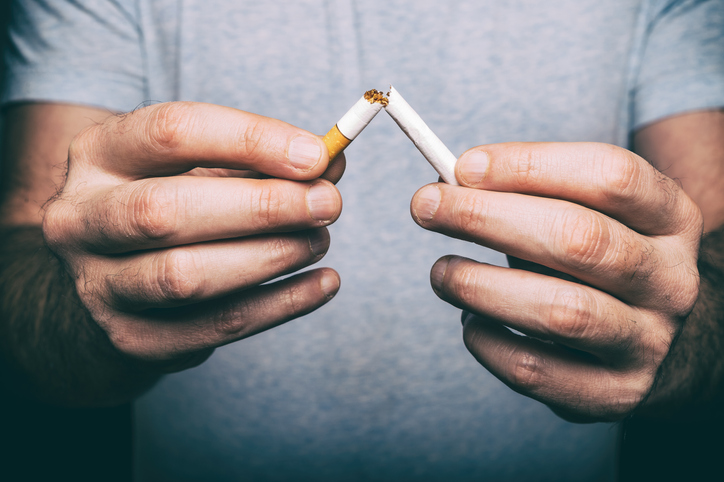
Stop Smoking, Start Thriving

Lifestyle Medicine: Positive Changes, Powerful Results

Address Stress the Easy Way: Breathe
Get Care at Carilion Clinic
Your path to better health starts here. Explore comprehensive care options and find the support you need for every step of your wellness journey.
Get Care at Carilion Clinic
Your path to better health starts here. Explore comprehensive care options and find the support you need for every step of your wellness journey.
Get Care at Carilion Clinic
Your path to better health starts here. Explore comprehensive care options and find the support you need for every step of your wellness journey.
Get Care at Carilion Clinic
Your path to better health starts here. Explore comprehensive care options and find the support you need for every step of your wellness journey.