COPD: Emphysema and Chronic Bronchitis
COPD: Emphysema and Chronic Bronchitis
COPD: Emphysema and Chronic Bronchitis
When you have chronic obstructive pulmonary disease (COPD), breathing becomes difficult. You may have trouble climbing stairs or working in the yard. You might even get out of breath cooking dinner.
COPD is a progressive disease, meaning symptoms get worse over time. As of now, there’s no cure for COPD. But that doesn’t mean we can’t treat your symptoms and improve your quality of life.
At Carilion Clinic, we know how hard life can be when you can’t breathe comfortably. We support lifestyle changes and offer treatments to slow the progression of your COPD and help you feel better.
When you have chronic obstructive pulmonary disease (COPD), breathing becomes difficult. You may have trouble climbing stairs or working in the yard. You might even get out of breath cooking dinner.
COPD is a progressive disease, meaning symptoms get worse over time. As of now, there’s no cure for COPD. But that doesn’t mean we can’t treat your symptoms and improve your quality of life.
At Carilion Clinic, we know how hard life can be when you can’t breathe comfortably. We support lifestyle changes and offer treatments to slow the progression of your COPD and help you feel better.
COPD is an umbrella term for lung diseases caused by chronic airflow blockage. In COPD, the airways that bring air into the lungs are either narrowed or damaged in a way that makes it hard to exhale fully. It leads to inflammation, coughing, and too much mucus.
The main cause of COPD is smoking or inhaling secondhand smoke. Environmental or workplace breathing hazards can also lead to COPD.
Symptoms of COPD include:
- Coughing or wheezing
- Shortness of breath, even when doing simple activities
- Difficulty taking a deep breath
- Too much mucus in the lungs
- Chest tightness
- Unusual fatigue
You’re more likely to develop COPD if you’re:
- A former or current smoker
- A woman
- Someone with a history of breathing problems like asthma
- 65 or older
What Is COPD?
COPD is an umbrella term for lung diseases caused by chronic airflow blockage. In COPD, the airways that bring air into the lungs are either narrowed or damaged in a way that makes it hard to exhale fully. It leads to inflammation, coughing, and too much mucus.
The main cause of COPD is smoking or inhaling secondhand smoke. Environmental or workplace breathing hazards can also lead to COPD.
Symptoms of COPD include:
- Coughing or wheezing
- Shortness of breath, even when doing simple activities
- Difficulty taking a deep breath
- Too much mucus in the lungs
- Chest tightness
- Unusual fatigue
You’re more likely to develop COPD if you’re:
- A former or current smoker
- A woman
- Someone with a history of breathing problems like asthma
- 65 or older
There are 2 main types of COPD. Many people who have COPD have a mixture of the following:
- Emphysema: The tiny air sacs in your lungs get damaged and lose their elasticity. Because they can’t deflate fully, old air gets trapped inside and you feel short of breath, especially during activity.
- Chronic bronchitis: The tubes that carry air into your lungs become swollen and produce too much mucus. This causes a long-lasting cough and makes it hard to clear your lungs.
Some people have both asthma and COPD. Asthma makes airways narrow quickly when exposed to triggers, while COPD causes more permanent damage. Having both means more flare-ups and often more intense symptoms.
Other long-term lung diseases, such as bronchiectasis or pulmonary fibrosis, also damage the lungs and cause breathing problems, but aren’t considered types of COPD.
Types of COPD
There are 2 main types of COPD. Many people who have COPD have a mixture of the following:
- Emphysema: The tiny air sacs in your lungs get damaged and lose their elasticity. Because they can’t deflate fully, old air gets trapped inside and you feel short of breath, especially during activity.
- Chronic bronchitis: The tubes that carry air into your lungs become swollen and produce too much mucus. This causes a long-lasting cough and makes it hard to clear your lungs.
Some people have both asthma and COPD. Asthma makes airways narrow quickly when exposed to triggers, while COPD causes more permanent damage. Having both means more flare-ups and often more intense symptoms.
Other long-term lung diseases, such as bronchiectasis or pulmonary fibrosis, also damage the lungs and cause breathing problems, but aren’t considered types of COPD.
Right now, there’s no cure for COPD. But at Carilion, we have an advanced COPD clinic for diagnosis and treatment of severe COPD. We offer treatments and therapies to help slow down the progression of the disease and help you feel your best.
Treatments include:
- Lifestyle changes: Quitting smoking is the most important thing you can do to ease your COPD symptoms. Healthy eating and exercise can improve your overall health, which can affect your COPD.
- Medicines: These include both short-acting and long-acting medicines to open the airways. You may also need an inhaled steroid to reduce inflammation. Antibiotics can help with a flare-up caused by infection.
- Oxygen therapy: You may need extra oxygen in the form of a face mask or tubes that rest in your nostrils. Portable oxygen therapy can be short-term or long-term, depending on the severity of your COPD.
- Devices: Some people may qualify for a special lung device for emphysema. We implant these small devices into the lungs to close off airways that lead to diseased areas. The procedure allows more airflow to healthier areas, resulting in easier breathing.
- Respiratory therapy: Our respiratory therapists can help you with diet, exercise, health education, and breathing techniques. Other special programs include home care, hospice care, and a COPD support group.
- Thoracic surgery: If your COPD symptoms haven’t improved with medicine and therapy, surgery to improve your breathing may be an option.
How We Treat COPD
Right now, there’s no cure for COPD. But at Carilion, we have an advanced COPD clinic for diagnosis and treatment of severe COPD. We offer treatments and therapies to help slow down the progression of the disease and help you feel your best.
Treatments include:
- Lifestyle changes: Quitting smoking is the most important thing you can do to ease your COPD symptoms. Healthy eating and exercise can improve your overall health, which can affect your COPD.
- Medicines: These include both short-acting and long-acting medicines to open the airways. You may also need an inhaled steroid to reduce inflammation. Antibiotics can help with a flare-up caused by infection.
- Oxygen therapy: You may need extra oxygen in the form of a face mask or tubes that rest in your nostrils. Portable oxygen therapy can be short-term or long-term, depending on the severity of your COPD.
- Devices: Some people may qualify for a special lung device for emphysema. We implant these small devices into the lungs to close off airways that lead to diseased areas. The procedure allows more airflow to healthier areas, resulting in easier breathing.
- Respiratory therapy: Our respiratory therapists can help you with diet, exercise, health education, and breathing techniques. Other special programs include home care, hospice care, and a COPD support group.
- Thoracic surgery: If your COPD symptoms haven’t improved with medicine and therapy, surgery to improve your breathing may be an option.


At Carilion, we see many people with breathing problems. Our Advanced COPD Clinic treats those with the most severe form of the disease.

National recognition
The American Thoracic Society accredits our pulmonary labs. This means our testing meets the highest national standards. And, U.S. News & World Report ranks Carilion Roanoke Memorial Hospital as “high performing” in COPD.
Why Choose Carilion Clinic?
At Carilion, we see many people with breathing problems. Our Advanced COPD Clinic treats those with the most severe form of the disease.
Health and Wellness
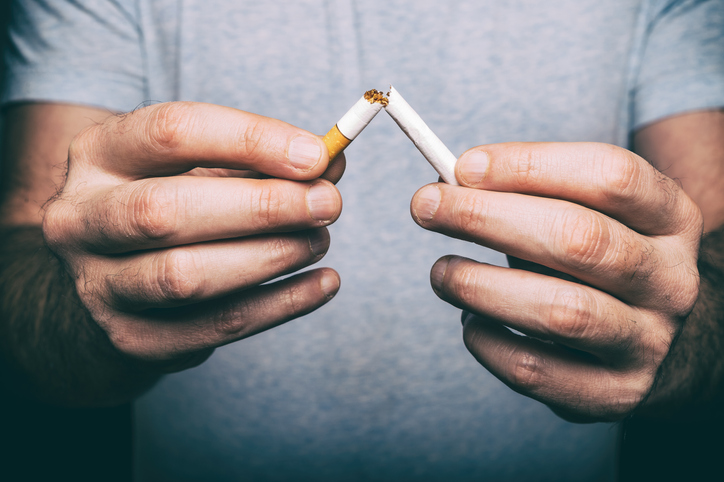
Stop Smoking, Start Thriving

Lifestyle Medicine: Positive Changes, Powerful Results
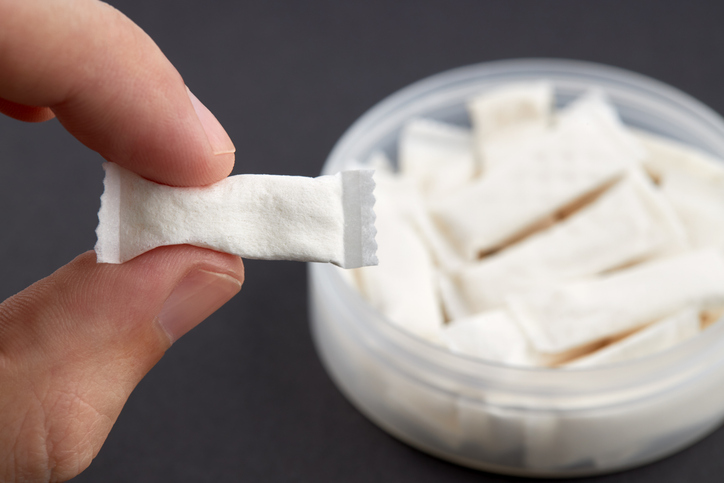
Nicotine Pouches: Are They Actually Safe?
Get Care at Carilion Clinic
Your path to better health starts here. Explore comprehensive care options and find the support you need for every step of your wellness journey.
Get Care at Carilion Clinic
Your path to better health starts here. Explore comprehensive care options and find the support you need for every step of your wellness journey.
Get Care at Carilion Clinic
Your path to better health starts here. Explore comprehensive care options and find the support you need for every step of your wellness journey.
Get Care at Carilion Clinic
Your path to better health starts here. Explore comprehensive care options and find the support you need for every step of your wellness journey.