Lung Cancer Screening
Lung Cancer Screening
Lung Cancer Screening
Lung cancer is the number one cause of cancer death in the U.S. Screening can save lives.
Candidates for screening are at a high risk of lung cancer. You may be at high risk if you’re between 50 and 80, have a 20-pack-year smoking history, and currently smoke or quit smoking within the past 15 years.
At Carilion Clinic, preventive care includes help to stop smoking and lung cancer screening. We offer the latest diagnostic imaging to help find early lung cancer.
If screening finds lung cancer, we can create a treatment plan to give you the best chance at long-term survival.
Lung cancer is the number one cause of cancer death in the U.S. Screening can save lives.
Candidates for screening are at a high risk of lung cancer. You may be at high risk if you’re between 50 and 80, have a 20-pack-year smoking history, and currently smoke or quit smoking within the past 15 years.
At Carilion Clinic, preventive care includes help to stop smoking and lung cancer screening. We offer the latest diagnostic imaging to help find early lung cancer.
If screening finds lung cancer, we can create a treatment plan to give you the best chance at long-term survival.
Cancer screening is looking for cancer before you have symptoms. Often, lung cancer doesn't cause symptoms until it's advanced.
With lung cancer screening, we can often find cancer early, before it has spread. When we find cancer early, we have more options to treat you and a better chance of curing your cancer.
Screening plus new treatments have improved lung cancer survival rates. So, there’s every reason to think treatment can be a cure when we find lung cancer early.
How do we screen for lung cancer?
Regular chest X-rays don't give us enough information to find lung cancer. To screen for lung cancer, we use a type of scan called computed tomography that uses a low radiation dose. We also call this diagnostic imaging test a low-dose lung CT scan.
CT scans are a special type of X-ray that takes pictures of the inside of your body. The scans use a low dose of ionizing radiation to get these images. A computer program then combines the images to create a detailed, 3D picture of your lungs to look for tumors.
Your primary care clinician will also offer to help you stop smoking or ask if you need any help to ensure you don’t start again.
What Is Lung Cancer Screening?
Cancer screening is looking for cancer before you have symptoms. Often, lung cancer doesn't cause symptoms until it's advanced.
With lung cancer screening, we can often find cancer early, before it has spread. When we find cancer early, we have more options to treat you and a better chance of curing your cancer.
Screening plus new treatments have improved lung cancer survival rates. So, there’s every reason to think treatment can be a cure when we find lung cancer early.
How do we screen for lung cancer?
Regular chest X-rays don't give us enough information to find lung cancer. To screen for lung cancer, we use a type of scan called computed tomography that uses a low radiation dose. We also call this diagnostic imaging test a low-dose lung CT scan.
CT scans are a special type of X-ray that takes pictures of the inside of your body. The scans use a low dose of ionizing radiation to get these images. A computer program then combines the images to create a detailed, 3D picture of your lungs to look for tumors.
Your primary care clinician will also offer to help you stop smoking or ask if you need any help to ensure you don’t start again.
At Carilion, we follow U.S. Preventive Services Task Force screening recommendations. Lung cancer screening guidelines are for people at high risk for lung cancer, specifically heavy smokers. If you’re not at high risk for lung cancer, you don’t need lung cancer screening.
You should get lung cancer screening once every year if you are:
- Between the ages of 50 to 80, have a 20-pack-year smoking history and currently smoke
- Between the ages of 50 to 80, have a 20-pack-year smoking history and quit smoking within the past 15 years
How do we calculate pack years?
Pack years measure how much you have smoked over time and help determine your lung cancer risk.
We calculate pack years by multiplying the number of packs you smoked per day by the number of years you smoked. For example, smoking 1 pack a day for 20 years equals a 20-pack-year smoking history.
If you smoked less than a pack per day, you can still calculate it the same way. For example, 1/2 pack a day for 20 years equals 10 pack years.
When should you stop lung cancer screening?
Current and former smokers should stop lung cancer screening:
- When you have not smoked for 15 years or more
- When you develop a health problem that limits how long you have to live
- When you develop a health problem that limits your surgical options
Please note, Medicare does not cover screenings ordered after age 77.
Who Should Get Screened for Lung Cancer and When?
At Carilion, we follow U.S. Preventive Services Task Force screening recommendations. Lung cancer screening guidelines are for people at high risk for lung cancer, specifically heavy smokers. If you’re not at high risk for lung cancer, you don’t need lung cancer screening.
You should get lung cancer screening once every year if you are:
- Between the ages of 50 to 80, have a 20-pack-year smoking history and currently smoke
- Between the ages of 50 to 80, have a 20-pack-year smoking history and quit smoking within the past 15 years
How do we calculate pack years?
Pack years measure how much you have smoked over time and help determine your lung cancer risk.
We calculate pack years by multiplying the number of packs you smoked per day by the number of years you smoked. For example, smoking 1 pack a day for 20 years equals a 20-pack-year smoking history.
If you smoked less than a pack per day, you can still calculate it the same way. For example, 1/2 pack a day for 20 years equals 10 pack years.
When should you stop lung cancer screening?
Current and former smokers should stop lung cancer screening:
- When you have not smoked for 15 years or more
- When you develop a health problem that limits how long you have to live
- When you develop a health problem that limits your surgical options
Please note, Medicare does not cover screenings ordered after age 77.
Many insurance plans, including Medicare, cover annual lung cancer screening for people who meet eligibility guidelines based on age and smoking history. Coverage may vary by plan. Talk with your doctor and your insurance to confirm your eligibility and benefits.
Does Insurance Cover Lung Cancer Screening?
Many insurance plans, including Medicare, cover annual lung cancer screening for people who meet eligibility guidelines based on age and smoking history. Coverage may vary by plan. Talk with your doctor and your insurance to confirm your eligibility and benefits.
Your primary care doctor will first determine if you qualify for lung cancer screening. You’ll discuss the risks and benefits so you can decide together if screening is right for you. This conversation is required for Medicaid and recommended for all patients. If you currently smoke, your doctor may also discuss options to help you quit.
If you’re eligible, your doctor will refer you to Carilion’s lung cancer screening coordinator to schedule your low-dose CT scan. The scan is quick, outpatient, and you can go home the same day.
Before the scan
Before your lung cancer screening, you can eat and drink normally. Call the screening clinic and tell them if you have a respiratory virus or other lung symptoms. They may want you to reschedule if you’re sick, which may interfere with the results.
Before the scan, you'll need to change into a hospital gown and remove any metal objects, such as jewelry.
During the scan
You lie flat on a table during the CT scan. It slides in and out of a large donut-shaped X-ray machine. You may hear slight whirring sounds as the machine takes images.
A radiology technician in the next room will provide instructions over an intercom on when to hold your breath for several seconds. Holding your breath keeps you still and helps us get clearer pictures of your lungs.
CT scans are quick and painless. It takes about 5 – 10 minutes to take the scans.
After the scan
A radiologist, a doctor with expertise in diagnostic imaging, will review your CT scans to look for signs of lung cancer. It may take a few days to get the results of your lung screening scan.
If the scan shows signs that look like cancer, we’ll do a biopsy. If it’s cancer, we’ll start an aggressive treatment program, typically starting with surgery to remove the tumor.
Lung cancer treatments have drastically improved over the last several years, with new types of drugs that help more people survive. That’s especially true when we catch cancer early with screening.
CT scans can also see abnormalities in your chest that aren't related to lung cancer risk. Your doctor can review these results with you and determine what additional workup is needed for these “incidental” findings.
What Should I Expect?
Your primary care doctor will first determine if you qualify for lung cancer screening. You’ll discuss the risks and benefits so you can decide together if screening is right for you. This conversation is required for Medicaid and recommended for all patients. If you currently smoke, your doctor may also discuss options to help you quit.
If you’re eligible, your doctor will refer you to Carilion’s lung cancer screening coordinator to schedule your low-dose CT scan. The scan is quick, outpatient, and you can go home the same day.
Before the scan
Before your lung cancer screening, you can eat and drink normally. Call the screening clinic and tell them if you have a respiratory virus or other lung symptoms. They may want you to reschedule if you’re sick, which may interfere with the results.
Before the scan, you'll need to change into a hospital gown and remove any metal objects, such as jewelry.
During the scan
You lie flat on a table during the CT scan. It slides in and out of a large donut-shaped X-ray machine. You may hear slight whirring sounds as the machine takes images.
A radiology technician in the next room will provide instructions over an intercom on when to hold your breath for several seconds. Holding your breath keeps you still and helps us get clearer pictures of your lungs.
CT scans are quick and painless. It takes about 5 – 10 minutes to take the scans.
After the scan
A radiologist, a doctor with expertise in diagnostic imaging, will review your CT scans to look for signs of lung cancer. It may take a few days to get the results of your lung screening scan.
If the scan shows signs that look like cancer, we’ll do a biopsy. If it’s cancer, we’ll start an aggressive treatment program, typically starting with surgery to remove the tumor.
Lung cancer treatments have drastically improved over the last several years, with new types of drugs that help more people survive. That’s especially true when we catch cancer early with screening.
CT scans can also see abnormalities in your chest that aren't related to lung cancer risk. Your doctor can review these results with you and determine what additional workup is needed for these “incidental” findings.


At Carilion, lung care starts with screening and continues with personalized expert care. Nurse navigators help you schedule screenings and guide you through next steps, including referrals for follow-up if needed.

Advanced bronchoscopy technology
Our skilled physicians offer Ion bronchoscopy to precisely biopsy lung nodules found on screening. This minimally invasive technology can support faster, more accurate diagnosis and help guide the next steps in your care.

Excellence in lung cancer surgery
We’re nationally ranked in lung cancer surgery by U.S. News & World Report and received the Society of Thoracic Surgeons’ top 3-star rating.
Why Choose Carilion Clinic?
At Carilion, lung care starts with screening and continues with personalized expert care. Nurse navigators help you schedule screenings and guide you through next steps, including referrals for follow-up if needed.
Health and Wellness
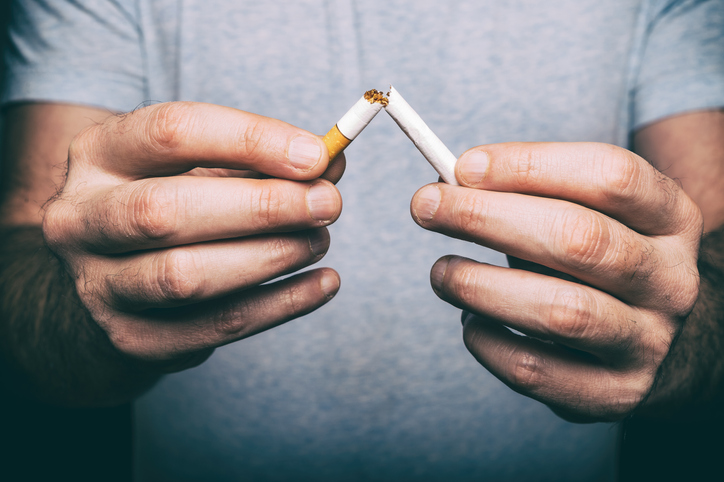
Stop Smoking, Start Thriving

Detecting Lung Cancer Earlier

Vaping Poses Serious New Health Risk
Get Care at Carilion Clinic
Your path to better health starts here. Explore comprehensive care options and find the support you need for every step of your wellness journey.
Get Care at Carilion Clinic
Your path to better health starts here. Explore comprehensive care options and find the support you need for every step of your wellness journey.
Get Care at Carilion Clinic
Your path to better health starts here. Explore comprehensive care options and find the support you need for every step of your wellness journey.
Get Care at Carilion Clinic
Your path to better health starts here. Explore comprehensive care options and find the support you need for every step of your wellness journey.