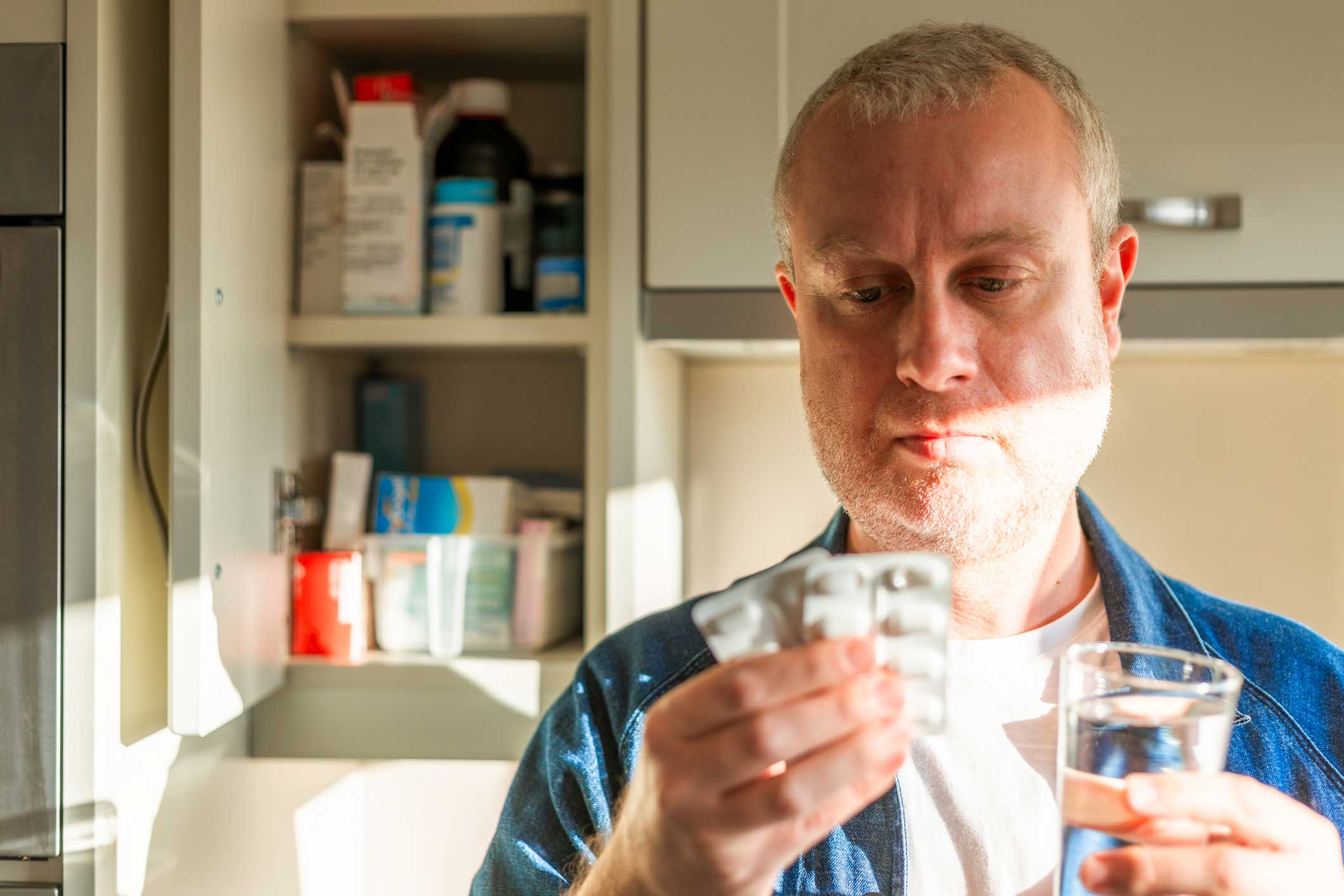
Half of us have at least one risk factor for heart disease. All of us have choices to make about it.
Aim for making healthy choices most of the time and save the indulging for special occasions—except for smoking: there's no occasion special enough to make the risks of tobacco use worth it!
Start With Sleep
People who sleep fewer than 6 hours a night are significantly more likely to have a stroke or heart attack than people who sleep more. Make a habit of sleeping at least 7 restful hours a night.
Find out if your nighttime restlessness is a sign of a sleep disorder, and reach out to your primary care physician for support. They can refer you to a sleep specialist if needed.
Eat the Whole (Grain) Thing
An extra one or two servings per day of whole grains can lower your risk of coronary heart disease risk by up to 20%.
Brown rice and whole-wheat bread aren’t your only choices. Instead of processed white flour, break your fast by switching to oats, barley, quinoa—and even corn! Search our recipe library for inspiration.
Get the Guac
Avocados are not just a great source of healthy fats, but they're also a potassium power food! Getting at least 4.7 grams of potassium per day can lower your blood pressure and your risk of stroke.
Other potassium-rich foods include potatoes and sweet potatoes, spinach, watermelon, coconut water, beans and legumes.
So order the guacamole when you go out, and try some of these potassium-powered recipes when you're cooking at home.
Break a Sweat
The Surgeon General recommends 30 minutes or more of moderately intense activity on most, preferably all, days of the week.
If you can’t commit to 30 minutes, commit to 5 or 10 minutes here and there. A few ideas:
- Take the stairs (then go down and take them again).
- Park farther away than you usually do, and bring your shopping cart back to the store.
- Instead of forwarding through commercial breaks, use the time to do planks or jumping jacks instead.
It will add up faster than you think!
When you're ready, level up with a more consistent approach. Like many gyms, Carilion Wellness facilities offer a free one-day trial, where you can check out cardio and strength training equipment, pools, classes and clinical training programs like Fit Rx and Recovery Rx.
Shake It Off
Chronic stress is more widespread than ever, and it’s a killer. Small changes, like simple breathing exercises, can impact your stress in a big way. Learn how to let go when you can, and how to manage it when you can’t.
Know Your Numbers
Half of U.S. adults have a risk factor for heart disease. Which half are you in?
- Cholesterol: Too much LDL, or low-density lipoprotein (the "bad" cholesterol) can block your arteries.
- Blood pressure: High blood pressure can harm the walls of your arteries as blood pushes against them over time.
- Smoking: The chemicals in tobacco smoke encourage the buildup of plaque in your veins, increasing your risk of heart disease.
If you smoke, the most important thing you can do is quit.
Knowing your "numbers," or health indicators, is the next step to managing your risk. Contact your primary care physician to learn your numbers, your risk and your options.
Check in for a Checkup
One in four U.S. adults skip regular checkups. Your primary care physician is your best resource for developing healthy habits and reducing your risk of heart disease.
Find a Carilion Clinic primary care physician or visit our Community Care practice to get started. They can offer care while helping to set you up with a personal physician.
Don’t Smoke
Smoking is a major cause of cardiovascular disease and the most important preventable cause of premature death in the U.S. The damage smoking causes includes:
- Raising triglycerides (a type of fat in your blood)
- Lowering “good” cholesterol (HDL)
- Making blood sticky and more likely to clot, which can block blood flow to the heart and brain
- Damaging cells that line the blood vessels
- Increasing the buildup of plaque (fat, cholesterol, calcium and other substances) in blood vessels
- Thickening and narrowing blood vessels
The good news is that the effects of quitting smoking begin immediately. For your overall health and to reduce your risk for heart attack and stroke, avoid all forms of tobacco as well as secondhand smoke. Reach out to your primary care physician to get the support you need to quit for good.
__________
Find out about Carilion Clinic's award-winning Cardiovascular Institute.