If your nose is stuffy after spending time outdoors, or you have unusual new symptoms after eating something you’ve had before, you may have developed new allergies.
“While most allergies present themselves during childhood, it’s not uncommon for adults to develop them later in life,” says Aneysa Sane, MD, a specialist with Carilion Clinic Allergy and Immunology. “And it’s not just environmental allergies that can suddenly pop up—it’s also possible to become allergic to foods you’ve eaten or skin products you’ve used for years without issue.”
What causes an allergic reaction?
Allergies can be triggered when you come into contact with something that your body mistakes as being harmful.
"In the case of an allergic reaction, our immune system produces antibodies called immunoglobulin E (IgE) in response to a perceived threat," says Dr. Sane. "These antibodies attach themselves to certain cells, causing the cells to release multiple chemicals that contribute to the allergic response, which can result in pain, itchiness, watery eyes, runny nose and wheezing."
For people with mild allergies, over-the-counter antihistamine medication, such as loratadine, fexofenadine or cetirizine, usually helps.
However, for some, taking antihistamines isn’t enough. They can experience anaphylaxis, a severe, often life-threatening reaction. Symptoms of an anaphylactic reaction include:
- Swelling of the lips, tongue or throat
- Shortness of breath
- Nausea, vomiting or diarrhea
- Dizziness or fainting
- Low blood pressure
- Skin rashes, itching and hives
“Symptoms and reactions vary by person, and reactions can happen quickly or even be delayed,” adds Dr. Sane. “The severity of the reaction can even be different each time you come in contact with an allergen.” Drinking alcohol tends to make reactions worse.
Researchers still aren’t sure what causes allergies to develop. Moving to a new area can be a factor, especially if you move somewhere that has more or different pollen than what you’re used to.
Family history can be another factor. However, just because someone is allergic to shellfish doesn’t mean their family will be as well—it means that their family members could be more likely to develop an allergy of any kind.
A growing concern in our community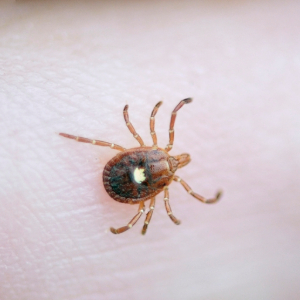
One food allergy is on the rise in our area; Alpha-gal Syndrome (AGS) is an allergy to products like meat, dairy and gelatin that come from animals with hair or fur (think cows, pigs and sheep). It typically occurs after lone star tick bites. “Bedford County, Va. has the highest incidence of AGS in the nation,” Dr. Sane notes. “Smith Mountain Lake is a particular hotbed.”
Common symptoms of AGS are hives and nausea or stomach pain. While other food allergies tend to cause reactions right away, the alpha-gal allergy takes longer to show up—about six hours after eating. This can make it harder to identify and diagnose.
There are many steps you can take to avoid bites from lone star and other ticks, like wearing long sleeves when outdoors. Be sure to check yourself (and your pets!) before heading back inside.
When should you seek medical care?
You can ease most allergy symptoms by avoiding the things you’re allergic to or taking medication. If this doesn’t help, talk to your doctor about testing to determine what your allergy triggers are. If needed, they can prescribe treatments such as immunotherapy (allergy shots).
"It might not seem like a big deal to put up with the occasional runny nose, congestion or discomfort, but these kinds of symptoms can keep you from getting a good night's sleep and make you feel run down in addition to dealing with the symptoms," adds Dr. Sane.
She continues, "Your quality of life can go up significantly if you're able to pinpoint what exactly causes your body to react to be able to put preventive measures in place."
If you’re dealing with allergies, make an appointment with your primary care doctor to discuss your treatment options.