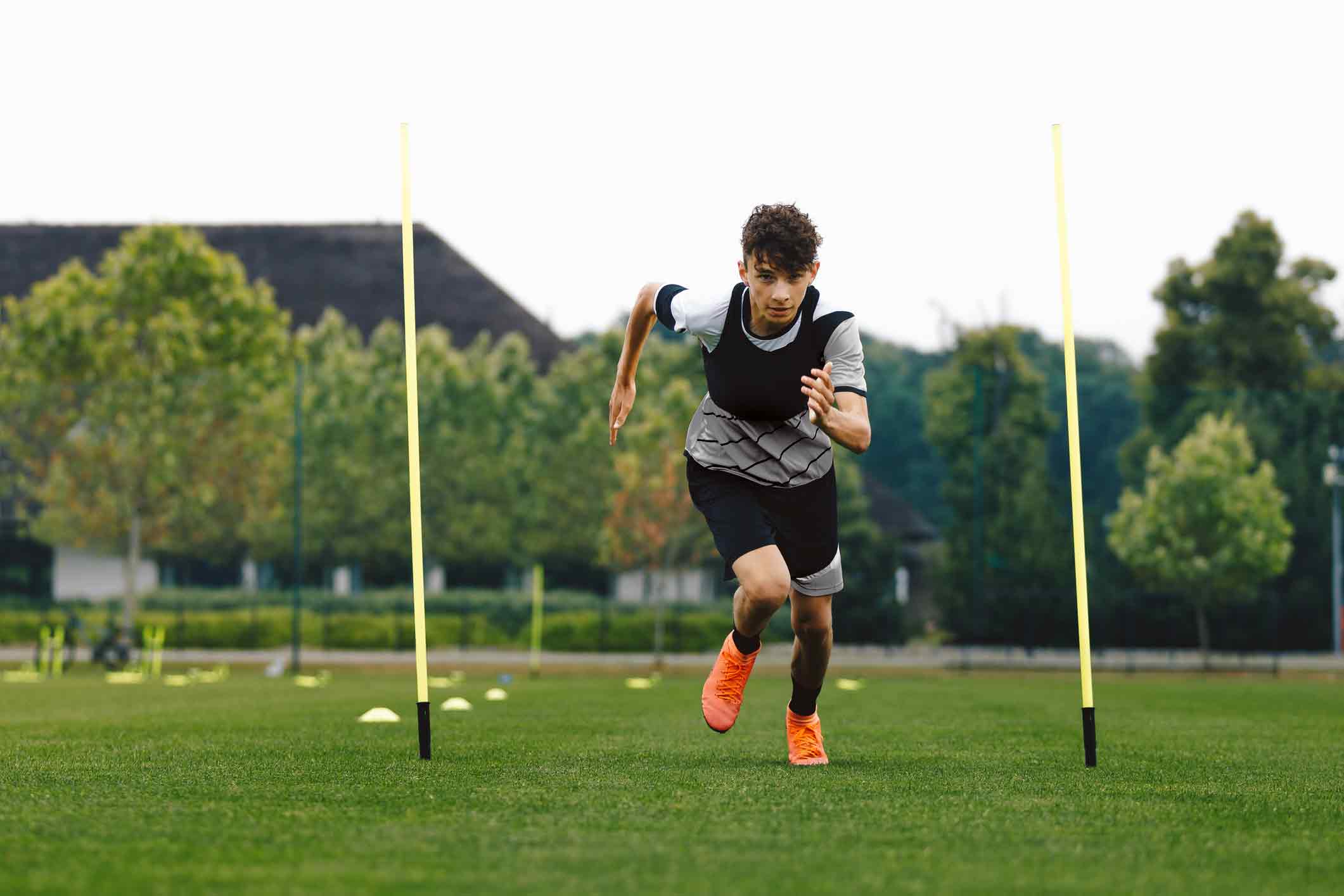
But outdoor activities can also lead to injuries.
Injuries like cuts, bruises and broken bones can heal. But others, like head injuries, can cause lasting effects.
According to Kathryn Bass, M.D., a Carilion Children’s pediatric surgeon with expertise in pediatric trauma, preventable injuries remain the leading cause of death for children in the United States, and approximately 80% of pediatric trauma cases are head injuries.
“Head injuries can cause a broad spectrum of symptoms and disabilities that range from mild to devastating,” said Dr. Bass. “Recovery from a traumatic brain injury (TBI) can take years, or even affect a person for the rest of his life.”
The best way to protect your child from a TBI is to prevent it from happening in the first place.
Here are 10 easy tips to keep your children safe while they play and explore:
1. Insist on a helmet.

Always make sure your child wears a helmet when engaged in the following activities:
- Biking
- Football
- Hockey
- Horseback riding
- Riding a powered recreational vehicle such as a four-wheeler
- Skateboarding
- Skating
- Skiing or snowboarding
- Wrestling
2. Be a role model.
If you wear a helmet and protective gear, your kids will too.

3. Use undamaged, age-appropriate gear.
Do not let children use sports equipment that is unsuitable for their age. Wearing sports equipment and protective gear that has been damaged creates a false sense of security—and can cause even more injury on impact.
4. Prevent falls and impact injuries at home.
Install window guards in your home and use approved safety gates on stairs.
5. Prevent accidental tip-overs.
Secure televisions and furniture to the wall so that kids can't accidentally tip them over.
6. Buckle up with age-appropriate seating on the road.
Always use a car seat, booster seat or seat belt when traveling in a vehicle with children. Every ride, every time.
7. Avoid paved and hardscape play areas.
Playgrounds with non-impact absorbing surfaces, such as asphalt, concrete, grass, dirt or gravel, are unsafe for children. Safe Kids Worldwide recommends surfaces such as sand, pea gravel, wood chips, mulch and shredded rubber as well as synthetic turf.
8. Make sure that kids dive only in the deep end.
It is unsafe to dive in above-ground pools or in other water that is less than 10 feet deep. Check the depth and for debris in the water before allowing children to dive.
If an Injury Happens
Just a few simple precautions can keep a day of fun from turning into a tragedy. Even so, it's important to know how to recognize a concussion in the event of injury or impact. This is especially important if your child plays contact sports—and even more important if you are a coach.
Watch the video below for information, and be sure to see your primary care physician or child's pediatrician before getting back to the game.
Now put on your sunscreen (even in autumn and winter!), get outside and enjoy the sunshine!