Growth Hormone Issues Following a Brain Injury
A traumatic brain injury can damage the nearby pituitary gland, leading to hormone imbalances like growth hormone deficiency—learn more about this connection.
Growth Hormone Deficiency
What is Growth Hormone Deficiency?
Growth hormone deficiency after a traumatic brain injury (TBI) in adults occurs when the brain doesn't produce enough growth hormone, which is crucial for maintaining health and energy levels. This can happen if the brain area responsible for hormone production is damaged during the injury. Adults with this deficiency might experience symptoms like feeling very tired, having less muscle strength, gaining weight easily, or having trouble concentrating. Essentially, the body doesn't receive the right signals to function optimally because of the brain injury.
Frequently Asked Questions
What is a Glucagon Stimulation Test?
The Glucagon Stimulation Test is used to check if there is a problem with your growth hormone levels, especially if your IGF-1 levels are lower than expected for your gender and age. After a traumatic brain injury, it helps you find out if you have a growth hormone deficiency.
How is the test performed?
Preparation:
- Eat normally and be well-nourished two days prior.
- Fast from midnight before the test, water is allowed.
- Stop certain medications like oral steroids 24 hours prior and consult the brain injury center for specific instructions regarding your medications.
- Avoid strenuous activity, alcohol, and caffeine 24 hours before the test.
- Bring a snack for after the test and something to keep you occupied during it.
During the Test:
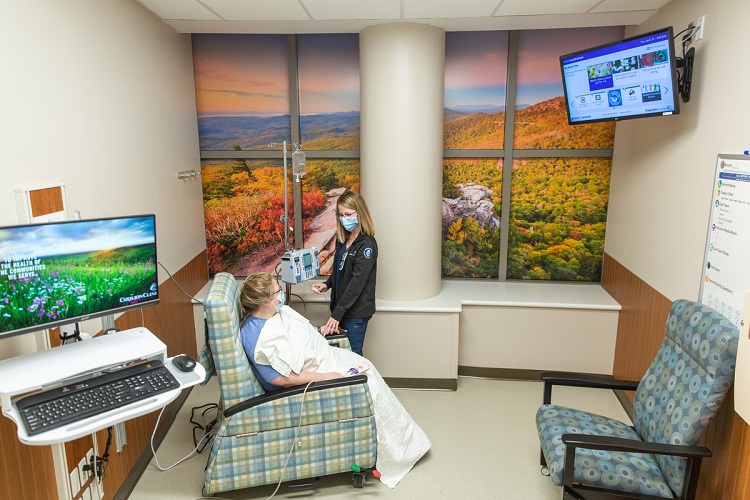
- A small tube (IV catheter) is inserted into your arm to take blood samples.
- You will get an injection of glucagon to help your body make growth hormone.
- Blood samples are taken every 30 minutes over four hours.
Who should consider this test?
People who have had a traumatic brain injury might need this test. This test can help check if your body is making enough growth hormone. After a brain injury, some people might feel very tired, weak, or have trouble concentrating. They might also notice changes in their mood or memory problems. If you have these symptoms after a brain injury, your doctor might suggest this test to see if a growth hormone deficiency is causing this.
You will be checked in the Brain Injury Center clinic prior to referral to testing.
Where is the test performed?
The test is conducted at the Carilion Roanoke Memorial Infusion Center.
When is the test performed?
The test is scheduled on Friday mornings. It is important to on time to get accurate results. Plan to be at the infusion center at 7:30am for testing.
What does treatment look like after the test?
After the test, the IV is removed, and your vital signs are checked to ensure you are safe to go home. Follow-up care will be discussed based on the test results and your overall health status.
What do the results mean?
The results will show if there is a deficiency in growth hormone. The brain injury center will contact you to review the results, which take 7-10 business days to process, and discuss the treatment plan with you.
What if I have Growth Hormone Deficiency (GHD), what’s next?
If GHD is confirmed, treatment options such as Somatropin, a daily autoinjector, may be recommended. Your provider will discuss the best treatment plan for your needs
Health Care Providers
Criteria for Consideration
History of Traumatic Brain Injury (TBI): Patients with a history of TBI may be at risk for growth hormone deficiency and should be evaluated for this condition in the chronic phase, at least three months after injury.
Referral Process
Patients suspected of having growth hormone deficiency due to TBI should be referred to the Brain Injury Center for further evaluation and testing.
Referral Information
Brain Injury Center Contact: Please refer to your patients by entering a referral order in the electronic medical record as “AMB Referral Brain Injury Center” or by contacting the Brain Injury Center by phone 540-512-1391 or fax 540-344-2950.
Supporting Literature
Blocher, N. Post-Traumatic Hypopituitarism. Curr Phys Med Rehabil Rep 12, 405–416 (2024). https://doi.org/10.1007/s40141-024-00468-0
Wexler TL. Neuroendocrine Disruptions Following Head Injury. Curr Neurol Neurosci Rep. 2023 May;23(5):213-224. doi: 10.1007/s11910-023-01263-5. Epub 2023 May 6. PMID: 37148402; PMCID: PMC10163581.
Our Research
IGF-1 as a Biomarker for Symptom Severity in Adult Traumatic Brain Injury: Evidence from an Observational Study Justin Weppner, Kimberly Rosenthal, Jennifer Bath, Tonja Locklear, and Melissa Martinez, Neurotrauma Reports 2025 6:1, 345-354
Meet the Expert
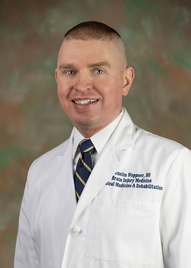
Justin L. Weppner, D.O.
Brain Injury Medicine
Physical Medicine and Rehabilitation
Contact Us
Contact Us
A referral is required for the Brain Injury Center. Questions? Call 540-224-5170.