Giving Birth
Giving Birth
Giving Birth
Once you've made it through 40 weeks of pregnancy, you're ready to deliver your baby. You'll see your OB/GYN or midwife more often as your due date approaches. You can take childbirth classes, visit the labor and delivery floor, and make a birth plan of your preferences.
When you're ready to deliver, Carilion Clinic's team of highly skilled obstetricians, midwives, and neonatologists are here to help you do so with comfort and safety. Our state-of-the-art birthing facilities meld advanced technology with a soothing, family-centered feel.
We ensure total care for you and your baby. That includes following your birth plan, expert care for high-risk pregnancies, and a Level III NICU for newborns who need extra support. At Carilion, we aim to make your childbirth experience as safe, joyful, and memorable as possible.
Once you've made it through 40 weeks of pregnancy, you're ready to deliver your baby. You'll see your OB/GYN or midwife more often as your due date approaches. You can take childbirth classes, visit the labor and delivery floor, and make a birth plan of your preferences.
When you're ready to deliver, Carilion Clinic's team of highly skilled obstetricians, midwives, and neonatologists are here to help you do so with comfort and safety. Our state-of-the-art birthing facilities meld advanced technology with a soothing, family-centered feel.
We ensure total care for you and your baby. That includes following your birth plan, expert care for high-risk pregnancies, and a Level III NICU for newborns who need extra support. At Carilion, we aim to make your childbirth experience as safe, joyful, and memorable as possible.
Labor and delivery are the process by which a baby is born vaginally. It happens in a series of stages where your body gets ready to push the baby out.
Labor is when your uterus contracts and your cervix dilates. Your body is getting ready to give birth. As labor progresses, contractions can escalate from uncomfortable to painful.
There are four stages of labor:
- First stage: Early labor begins with regular contractions that open the cervix to about 6 cm.
- Second stage: At that point, you're in active labor. This includes stronger, more frequent contractions as the cervix opens to 10 cm.
- Third stage: Delivery of the baby when the cervix is fully dilated (10 cm). With a vaginal delivery, this involves pushing and ends with the delivery of the baby.
- Fourth stage: Delivery of the placenta after the baby is born. Your body expels the placenta, usually within 5 to 30 minutes. You may not notice it or may need to push a little.
What Does Giving Birth Involve?
Labor and delivery are the process by which a baby is born vaginally. It happens in a series of stages where your body gets ready to push the baby out.
Labor is when your uterus contracts and your cervix dilates. Your body is getting ready to give birth. As labor progresses, contractions can escalate from uncomfortable to painful.
There are four stages of labor:
- First stage: Early labor begins with regular contractions that open the cervix to about 6 cm.
- Second stage: At that point, you're in active labor. This includes stronger, more frequent contractions as the cervix opens to 10 cm.
- Third stage: Delivery of the baby when the cervix is fully dilated (10 cm). With a vaginal delivery, this involves pushing and ends with the delivery of the baby.
- Fourth stage: Delivery of the placenta after the baby is born. Your body expels the placenta, usually within 5 to 30 minutes. You may not notice it or may need to push a little.
Your labor and delivery may differ depending on health issues or complications. These factors may change how your baby is born. Some ways that babies are born include:
Vaginal delivery
A vaginal delivery happens when your uterus contracts to begin pushing the baby out. After a period of active, regular pushing on your part, your baby passes through your dilated cervix and your vagina.
Cesarean delivery
A cesarean section (C-section) is a surgery to remove your baby from your uterus. Doctors perform a C-section when your baby can't be born vaginally. The baby gets delivered through surgical cuts to the belly and uterus. About 1 in 3 babies in the U.S. gets delivered via C-section.
You might need a C-section if:
- Your labor isn't progressing
- Doctors have concern for your health (e.g., high blood pressure)
- Doctors have concerns for your baby's safety (e.g., a problem with the umbilical cord)
- You're carrying multiples
- You have a very large baby
- Your baby is facing the wrong way (breech)
- You had a C-section before
Induced labor
Your doctor may give you medicine to stimulate the uterus and bring on labor. This is an induction or induced labor.
Your doctor may recommend an induction if:
- You're a week or more past your due date
- The baby isn't growing properly or has other health conditions that indicate the baby needs to be treated by the neonatology team
- There's a decrease in amniotic fluid, the protective sac of fluid around the baby
- You have diabetes or high blood pressure or other health conditions
- Your water broke too early
You may also request an induction. It may be an option if you're in discomfort, have a history of quick labor, or live far away from the hospital.
Types of Childbirth
Your labor and delivery may differ depending on health issues or complications. These factors may change how your baby is born. Some ways that babies are born include:
Vaginal delivery
A vaginal delivery happens when your uterus contracts to begin pushing the baby out. After a period of active, regular pushing on your part, your baby passes through your dilated cervix and your vagina.
Cesarean delivery
A cesarean section (C-section) is a surgery to remove your baby from your uterus. Doctors perform a C-section when your baby can't be born vaginally. The baby gets delivered through surgical cuts to the belly and uterus. About 1 in 3 babies in the U.S. gets delivered via C-section.
You might need a C-section if:
- Your labor isn't progressing
- Doctors have concern for your health (e.g., high blood pressure)
- Doctors have concerns for your baby's safety (e.g., a problem with the umbilical cord)
- You're carrying multiples
- You have a very large baby
- Your baby is facing the wrong way (breech)
- You had a C-section before
Induced labor
Your doctor may give you medicine to stimulate the uterus and bring on labor. This is an induction or induced labor.
Your doctor may recommend an induction if:
- You're a week or more past your due date
- The baby isn't growing properly or has other health conditions that indicate the baby needs to be treated by the neonatology team
- There's a decrease in amniotic fluid, the protective sac of fluid around the baby
- You have diabetes or high blood pressure or other health conditions
- Your water broke too early
You may also request an induction. It may be an option if you're in discomfort, have a history of quick labor, or live far away from the hospital.
No two births are exactly the same, but here's what to expect from labor and delivery.
Before
You can start planning for childbirth as soon as you find out you're pregnant. Labor classes (such as Lamaze classes) for you and your partner can help you feel confident and prepared. Touring our childbirth center is another way to ease your worries.
It's vital to go to all your prenatal checkups. Your care team can catch any potential problems during your pregnancy. You can also make a birth plan and discuss pain relief options. Pack your hospital bag and get ready for delivery day!
Talk to your doctor about your options for induction or C-section. They can give you a good idea of what form your childbirth will take.
If you're getting an induction, you may need to go to the hospital the night before your induction date or in the early morning.
During labor
You'll know you're in labor when you have strong, regular contractions 5 - 10 minutes apart. At this point, you should head to the hospital. Call your care team if you're not sure.
Your water (the protective sac of amniotic fluid around the baby) may break, and you feel a rush of liquid. You may have a slightly bloody vaginal discharge (bloody show) at the beginning of labor.
If your water doesn’t break on its own, it may be broken for you during a labor check-in.
The longest stage of labor is when your cervix starts to open wider. Your contractions get stronger, and you may feel pressure in your lower back. The baby starts moving into the birth canal.
During labor, we offer a range of options to aid in your delivery, including birthing balls, labor tubs, peanut balls, and a squatting bar.
You'll also want to request an epidural during this time, if it's your pain relief of choice. It may take a while for the anesthesiologist to arrive. Tell the team as soon as you're ready to minimize your discomfort.
Childbirth pain relief options
We offer a range of pain relief options to support you during labor and delivery. We'll work closely with you to develop a pain management plan that aligns with your needs and birth goals.
Options include:
- Epidural anesthesia: Provides effective pain relief while allowing you to stay awake and active during delivery.
- Intravenous (IV) pain medications: Medicine in an IV to help manage pain without completely numbing you.
- Non-medical comfort measures: You can access birthing balls, hydrotherapy (showers or tubs), massage and positioning aids to promote relaxation and natural pain management.
- Support for natural birth: We provide guidance and support tailored to your preferences if you opt for unmedicated delivery.
Giving birth
When the cervix is fully open, it's time for delivery. Your contractions continue, and you may feel the urge to push. Pushing can be minimal (especially for second or later births) or take a few hours (for the first time).
The baby's head begins to show in the vaginal opening, and your OB/GYN or midwife will help guide the baby out.
If, at some point, your care team starts to worry about your or your baby's health, they may suggest a C-section.
After
Your care team will cut the umbilical cord or help your partner cut it. Within about 30 minutes, you'll have contractions again to deliver the placenta. You may feel shaky and weak or have chills for a while.
If you have a tear, it'll be repaired after delivery. Your baby’s weight and length will be checked, an Apgar test performed, and eye ointment and a vitamin K shot given if you approve.
If your baby needs extra help, your doctor may bring them to the neonatal intensive care unit (NICU).
You'll spend time with your newborn, giving skin-to-skin cuddles and starting breastfeeding, if you plan to. After you deliver, your doctor or midwife may give you pain medicine and a stool softener.
In the hours after delivery, your care team will visit to help you go to the bathroom and change your pads and bedding. They'll also push on your uterus to ensure any blood clots are moving out of your vagina. They'll monitor your blood pressure.
They'll also regularly check your bleeding. You'll bleed for a few weeks after birth. This is lochia. It will be heavy at first, then taper off.
If you are breastfeeding, one of our expert lactation consultants will visit. They can teach you the basics of breastfeeding and help you with any issues.
Once you leave the hospital, your body will take several weeks to heal. You'll schedule a postpartum checkup about 6 weeks after giving birth.
What Should I Expect?
No two births are exactly the same, but here's what to expect from labor and delivery.
Before
You can start planning for childbirth as soon as you find out you're pregnant. Labor classes (such as Lamaze classes) for you and your partner can help you feel confident and prepared. Touring our childbirth center is another way to ease your worries.
It's vital to go to all your prenatal checkups. Your care team can catch any potential problems during your pregnancy. You can also make a birth plan and discuss pain relief options. Pack your hospital bag and get ready for delivery day!
Talk to your doctor about your options for induction or C-section. They can give you a good idea of what form your childbirth will take.
If you're getting an induction, you may need to go to the hospital the night before your induction date or in the early morning.
During labor
You'll know you're in labor when you have strong, regular contractions 5 - 10 minutes apart. At this point, you should head to the hospital. Call your care team if you're not sure.
Your water (the protective sac of amniotic fluid around the baby) may break, and you feel a rush of liquid. You may have a slightly bloody vaginal discharge (bloody show) at the beginning of labor.
If your water doesn’t break on its own, it may be broken for you during a labor check-in.
The longest stage of labor is when your cervix starts to open wider. Your contractions get stronger, and you may feel pressure in your lower back. The baby starts moving into the birth canal.
During labor, we offer a range of options to aid in your delivery, including birthing balls, labor tubs, peanut balls, and a squatting bar.
You'll also want to request an epidural during this time, if it's your pain relief of choice. It may take a while for the anesthesiologist to arrive. Tell the team as soon as you're ready to minimize your discomfort.
Childbirth pain relief options
We offer a range of pain relief options to support you during labor and delivery. We'll work closely with you to develop a pain management plan that aligns with your needs and birth goals.
Options include:
- Epidural anesthesia: Provides effective pain relief while allowing you to stay awake and active during delivery.
- Intravenous (IV) pain medications: Medicine in an IV to help manage pain without completely numbing you.
- Non-medical comfort measures: You can access birthing balls, hydrotherapy (showers or tubs), massage and positioning aids to promote relaxation and natural pain management.
- Support for natural birth: We provide guidance and support tailored to your preferences if you opt for unmedicated delivery.
Giving birth
When the cervix is fully open, it's time for delivery. Your contractions continue, and you may feel the urge to push. Pushing can be minimal (especially for second or later births) or take a few hours (for the first time).
The baby's head begins to show in the vaginal opening, and your OB/GYN or midwife will help guide the baby out.
If, at some point, your care team starts to worry about your or your baby's health, they may suggest a C-section.
After
Your care team will cut the umbilical cord or help your partner cut it. Within about 30 minutes, you'll have contractions again to deliver the placenta. You may feel shaky and weak or have chills for a while.
If you have a tear, it'll be repaired after delivery. Your baby’s weight and length will be checked, an Apgar test performed, and eye ointment and a vitamin K shot given if you approve.
If your baby needs extra help, your doctor may bring them to the neonatal intensive care unit (NICU).
You'll spend time with your newborn, giving skin-to-skin cuddles and starting breastfeeding, if you plan to. After you deliver, your doctor or midwife may give you pain medicine and a stool softener.
In the hours after delivery, your care team will visit to help you go to the bathroom and change your pads and bedding. They'll also push on your uterus to ensure any blood clots are moving out of your vagina. They'll monitor your blood pressure.
They'll also regularly check your bleeding. You'll bleed for a few weeks after birth. This is lochia. It will be heavy at first, then taper off.
If you are breastfeeding, one of our expert lactation consultants will visit. They can teach you the basics of breastfeeding and help you with any issues.
Once you leave the hospital, your body will take several weeks to heal. You'll schedule a postpartum checkup about 6 weeks after giving birth.


We offer a comfortable, caring place to have your baby, supported by the region’s largest team of obstetricians, midwives, and specialists. We deliver 4,000+ babies each year.

A comfortable setting
Our spaces are thoughtfully designed to feel calm, comfortable, and welcoming. We encourage bonding with your baby at any time of day, in an environment that supports rest, connection, and privacy.

Advanced newborn safety
We offer CertaScan, a cutting-edge system for identifying babies using a digital image of their footprints. You'll also receive a printout of your baby's footprints.
Why Choose Carilion Clinic?
We offer a comfortable, caring place to have your baby, supported by the region’s largest team of obstetricians, midwives, and specialists. We deliver 4,000+ babies each year.
Patient Stories
We likely would not be living here, if we didn't have all of the specialists here through Carilion."
Health and Wellness
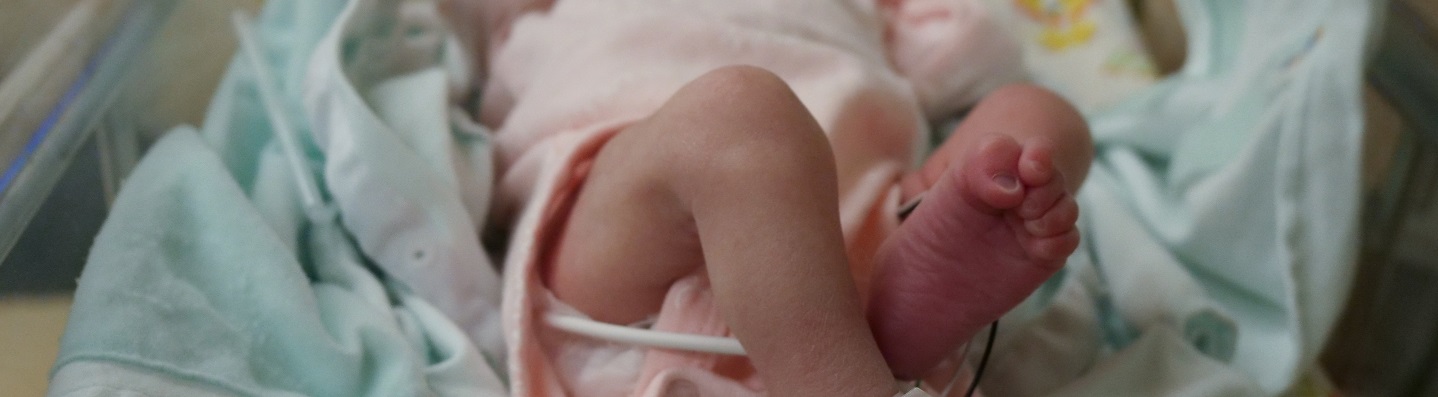
NICUs: Specialized Care for Special Babies

Maternal Fetal Medicine: Support for High-Risk Pregnancies
Get Care at Carilion Clinic
Your path to better health starts here. Explore comprehensive care options and find the support you need for every step of your wellness journey.
Get Care at Carilion Clinic
Your path to better health starts here. Explore comprehensive care options and find the support you need for every step of your wellness journey.
Get Care at Carilion Clinic
Your path to better health starts here. Explore comprehensive care options and find the support you need for every step of your wellness journey.
Get Care at Carilion Clinic
Your path to better health starts here. Explore comprehensive care options and find the support you need for every step of your wellness journey.