Sports Injuries
Sports Injuries
Sports Injuries
Whether you’re a weekend athlete or a seasoned player, a sports injury can cause pain that can limit activity and range of motion.
At Carilion Clinic, we can get you back in the game.
Whether you’re a weekend athlete or a seasoned player, a sports injury can cause pain that can limit activity and range of motion.
At Carilion Clinic, we can get you back in the game.
Our sports medicine experts see both acute and overuse injuries. We help athletes and active people get back to doing what they love. We’re here to help if you're unsure where to start.
An acute injury is when a specific event happens. You twist your knee on the court and hear a pop. You jump and land wrong, and your ankle gives out.
An overuse injury is more chronic. You’re not sure when it started, but you know it isn’t getting any better. For example, the hamstring that aches during runs or the forearm that burns when you play tennis.
Some of the most common sports injuries we see include:
- Sprains and strains: Sprains and strains are similar in that they both cause pain and swelling. But a sprain is a ligament injury, whereas a strain is a muscle or tendon injury.
- Fractures: A broken bone is usually an acute injury caused by a fall, hit, or bad landing. But stress fractures, which are tiny cracks in the bone, happen with overuse.
- Anterior cruciate ligament (ACL) tear: Tearing the ACL is a serious knee injury that usually requires surgery. It’s a common injury in sports like soccer, basketball, football, and skiing.
- Rotator cuff pain: Your rotator cuff helps you rotate and raise your arm. Made up of muscles and tendons, it can become irritated or torn, causing pain. It’s common among pitchers, swimmers, rowers, and athletes who play racket sports.
- Tendonitis: Tendonitis is the inflammation or irritation of a tendon, usually caused by repetitive motion. Athletes most commonly develop tendonitis in their shoulders, elbows, wrists, knees, and ankles.
- Tennis elbow: Called lateral epicondylitis, tennis elbow is a painful condition caused by overusing the tendons in your elbow. It happens from repetitive gripping or wrist movements and is common in racket sports.
- Concussions: A concussion is a type of traumatic brain injury that happens because of a blow or jolt to your head. Anyone can get a concussion, but they're more common among athletes, especially in contact sports.
- Low back pain: Low back sprains and strains are common athletic injuries. Most low back pain goes away on its own with rest. However, with age and repetitive motion, the discs and joints in your back can wear out, causing more chronic pain.
Common Sports Injuries
Our sports medicine experts see both acute and overuse injuries. We help athletes and active people get back to doing what they love. We’re here to help if you're unsure where to start.
An acute injury is when a specific event happens. You twist your knee on the court and hear a pop. You jump and land wrong, and your ankle gives out.
An overuse injury is more chronic. You’re not sure when it started, but you know it isn’t getting any better. For example, the hamstring that aches during runs or the forearm that burns when you play tennis.
Some of the most common sports injuries we see include:
- Sprains and strains: Sprains and strains are similar in that they both cause pain and swelling. But a sprain is a ligament injury, whereas a strain is a muscle or tendon injury.
- Fractures: A broken bone is usually an acute injury caused by a fall, hit, or bad landing. But stress fractures, which are tiny cracks in the bone, happen with overuse.
- Anterior cruciate ligament (ACL) tear: Tearing the ACL is a serious knee injury that usually requires surgery. It’s a common injury in sports like soccer, basketball, football, and skiing.
- Rotator cuff pain: Your rotator cuff helps you rotate and raise your arm. Made up of muscles and tendons, it can become irritated or torn, causing pain. It’s common among pitchers, swimmers, rowers, and athletes who play racket sports.
- Tendonitis: Tendonitis is the inflammation or irritation of a tendon, usually caused by repetitive motion. Athletes most commonly develop tendonitis in their shoulders, elbows, wrists, knees, and ankles.
- Tennis elbow: Called lateral epicondylitis, tennis elbow is a painful condition caused by overusing the tendons in your elbow. It happens from repetitive gripping or wrist movements and is common in racket sports.
- Concussions: A concussion is a type of traumatic brain injury that happens because of a blow or jolt to your head. Anyone can get a concussion, but they're more common among athletes, especially in contact sports.
- Low back pain: Low back sprains and strains are common athletic injuries. Most low back pain goes away on its own with rest. However, with age and repetitive motion, the discs and joints in your back can wear out, causing more chronic pain.
Your primary care doctor may refer you to a sports medicine specialist, or you can schedule directly with our team.
Seeing a sports medicine expert or certified athletic trainer means you’re getting care from someone who:
- Understands the unique needs and goals of athletes and active people
- Has specific training in diagnosing and treating injuries related to sports and physical activity
- Works closely with physical therapists and can personalize your treatment
- Is an expert in injury prevention strategies and safe training methods
Our team includes fellowship-trained sports medicine surgeons and primary care sports medicine doctors who focus on non-surgical treatments.
Why See a Sports Medicine Specialist?
Your primary care doctor may refer you to a sports medicine specialist, or you can schedule directly with our team.
Seeing a sports medicine expert or certified athletic trainer means you’re getting care from someone who:
- Understands the unique needs and goals of athletes and active people
- Has specific training in diagnosing and treating injuries related to sports and physical activity
- Works closely with physical therapists and can personalize your treatment
- Is an expert in injury prevention strategies and safe training methods
Our team includes fellowship-trained sports medicine surgeons and primary care sports medicine doctors who focus on non-surgical treatments.
You may need to seek urgent care or emergency care for acute injuries. But you can treat some sports injuries at home.
When to treat sports injuries at home
If you don’t have severe pain and swelling and can still move the area that hurts, you can usually start with home treatment.
Take a break from physical activity. That means staying off the sore ankle or sitting out the tennis game. Ice the area that hurts to bring down swelling and take ibuprofen (Advil) or naproxen (Aleve).
Come and see us if:
- You can’t bear any weight on the limb that’s affected
- Your symptoms don’t improve within a few days
- Your symptoms worsen
- You suspect you have a more serious injury, like a bone break or ligament tear
- Your injury involves your head or neck
Non-surgical treatments for sports injuries
Depending on your injury, we may prescribe:
- Lifestyle changes: For overuse injuries like tendonitis or stress fractures, we can talk to you about habits or activities to avoid. For athletes, this can mean taking a break from a sport or making modifications.
- Medicine: We may have you take over-the-counter anti-inflammatory medicine. In some cases, we’ll prescribe stronger anti-inflammatories.
- Pain injections: For some conditions, steroid injections directly into the painful joint can help manage pain.
- Physical therapy (PT): PT helps stretch and strengthen muscles that support your joints. For some sports injuries, medicine and PT can help you make a full recovery.
- Splinting: Wearing a splint, brace, or boot can help immobilize your affected limb so it heals more quickly.
Surgery for sports-related injuries
When surgery is necessary, our sports medicine surgeons will talk with you about the options that are most beneficial for you.
Some of the most common types of surgeries for sports injuries include:
- Fracture repair: We can realign broken bones and secure them with plates, screws, or rods to make sure they heal correctly.
- Arthroscopy procedures: We make a series of tiny incisions. Then, using a small camera and special instruments, we can diagnose and treat injuries. We most often use arthroscopy for knee, shoulder, and elbow conditions.
- Ligament or tendon reconstruction: We can repair or replace torn ligaments or tendons. Common surgeries include ACL reconstruction, rotator cuff repair, and biceps tendon repair.
Treating Sports Injuries
You may need to seek urgent care or emergency care for acute injuries. But you can treat some sports injuries at home.
When to treat sports injuries at home
If you don’t have severe pain and swelling and can still move the area that hurts, you can usually start with home treatment.
Take a break from physical activity. That means staying off the sore ankle or sitting out the tennis game. Ice the area that hurts to bring down swelling and take ibuprofen (Advil) or naproxen (Aleve).
Come and see us if:
- You can’t bear any weight on the limb that’s affected
- Your symptoms don’t improve within a few days
- Your symptoms worsen
- You suspect you have a more serious injury, like a bone break or ligament tear
- Your injury involves your head or neck
Non-surgical treatments for sports injuries
Depending on your injury, we may prescribe:
- Lifestyle changes: For overuse injuries like tendonitis or stress fractures, we can talk to you about habits or activities to avoid. For athletes, this can mean taking a break from a sport or making modifications.
- Medicine: We may have you take over-the-counter anti-inflammatory medicine. In some cases, we’ll prescribe stronger anti-inflammatories.
- Pain injections: For some conditions, steroid injections directly into the painful joint can help manage pain.
- Physical therapy (PT): PT helps stretch and strengthen muscles that support your joints. For some sports injuries, medicine and PT can help you make a full recovery.
- Splinting: Wearing a splint, brace, or boot can help immobilize your affected limb so it heals more quickly.
Surgery for sports-related injuries
When surgery is necessary, our sports medicine surgeons will talk with you about the options that are most beneficial for you.
Some of the most common types of surgeries for sports injuries include:
- Fracture repair: We can realign broken bones and secure them with plates, screws, or rods to make sure they heal correctly.
- Arthroscopy procedures: We make a series of tiny incisions. Then, using a small camera and special instruments, we can diagnose and treat injuries. We most often use arthroscopy for knee, shoulder, and elbow conditions.
- Ligament or tendon reconstruction: We can repair or replace torn ligaments or tendons. Common surgeries include ACL reconstruction, rotator cuff repair, and biceps tendon repair.

Carilion blends research with practice to deliver exceptional orthopaedic care. That means you always get the best of both worlds—expert care and the latest innovation.

High-volume sports medicine program
As one of the largest sports medicine practices in Virginia, we average more than 700 visits and procedures each workday. This means we see a wide variety of sports injuries and have more experience treating both the simple and the complex.

Convenient locations
You shouldn’t have to travel far to get the best orthopaedic care. With more than 15 locations, we’ve made outpatient surgery and physical therapy more convenient.

Highest level of trauma care
When severe sports injuries happen, we’re ready. Being a Level I Trauma Center means we can provide total care for every aspect of an injury.
Why Choose Carilion Clinic?
Carilion blends research with practice to deliver exceptional orthopaedic care. That means you always get the best of both worlds—expert care and the latest innovation.
Health and Wellness
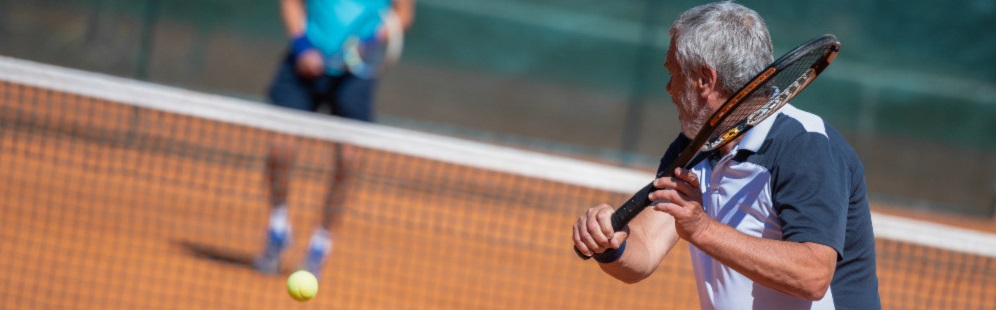
Get Active Again After an Injury
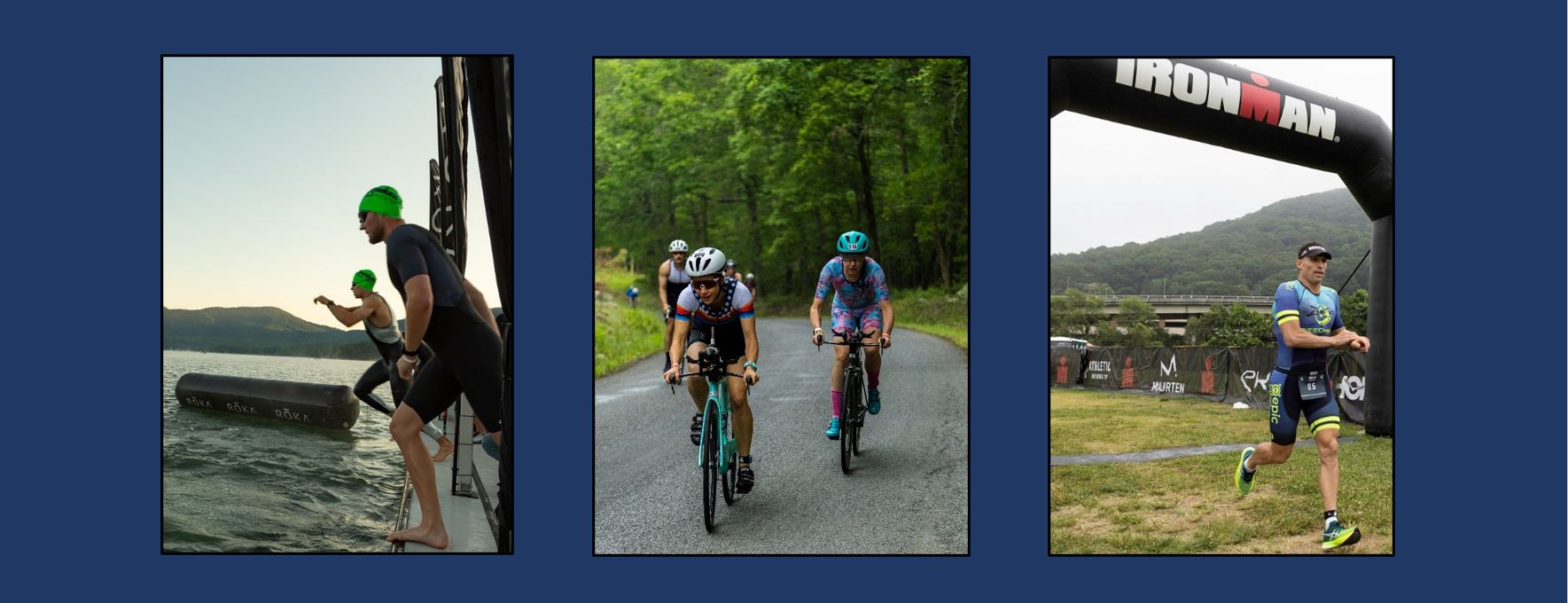
Avoid Injury the IRONMAN Way

What's New in Joint Replacement
Get Care at Carilion Clinic
Your path to better health starts here. Explore comprehensive care options and find the support you need for every step of your wellness journey.
Get Care at Carilion Clinic
Your path to better health starts here. Explore comprehensive care options and find the support you need for every step of your wellness journey.
Get Care at Carilion Clinic
Your path to better health starts here. Explore comprehensive care options and find the support you need for every step of your wellness journey.
Get Care at Carilion Clinic
Your path to better health starts here. Explore comprehensive care options and find the support you need for every step of your wellness journey.