
Placental Imaging
This study evaluates whether advanced ultrasound technology can improve early detection of fetal growth restriction (FGR) by better measuring fetal growth and blood flow.
Category
Age Requirement
About This Study
Summary
A better way to detect poor growth of a fetus
This study’s goal is to create a better way to detect fetal growth restriction (FGR), a condition where the fetus weight or size falls below the 10th percentile for their gestational age. New ultrasound technology allows for clearer images and can track blood flow through the placenta and to the fetus. With a research ultrasound device, doctors may be able to better assess fetal weight and size, as well as detect insufficient blood flow to the fetus through the placenta. This can help identify high-risk pregnancies earlier and take action sooner than current methods allow.
Why should I volunteer for this study?
FGR affects about 10% of pregnancies worldwide. This means the fetus is smaller than expected and isn't growing the way it should, which is a leading cause of poor pregnancy outcomes. This condition is intimately linked to early childhood and developmental problems, with lifelong health implications. FGR has many causes including genetics, environmental factors, infection and the mother’s health condition(s).
Identifying a pregnancy as truly “growth restricted” and at risk for illness or mortality presents many challenges with current obstetric care methods. This study uses newer ultrasound technology offering the potential for better, more accurate and a more detailed diagnosis of the condition as well as its underlying cause(s). It could help doctors find FGR sooner and understand why it's happening, so they can give the best possible care.
If I choose to participate, what would I have to do?
As a part of your routine prenatal care, you receive a growth or anatomical ultrasound to check your baby's size and growth. During this exam, your physician determines whether your pregnancy has a normal rate of growth for that week of pregnancy or if the fetus is below the 10th percentile of growth and has fetal growth restriction (FGR). After this exam, you can contact Dr. Megan Whitham to express interest in participating in the study—or someone from the research team may reach out to you about joining. Then, this research team member will meet with you to explain the study, what’s involved and answer any questions you have.
If you decide to participate, you’ll visit the Maternal Fetal Medicine Clinic (102 Highland Ave, Roanoke, VA, 24013) every three weeks until your baby is born. At each visit, you’ll get a regular ultrasound and one using the new research technology. Information about your obstetric history and your delivery is also collected. After the study ends, you'll receive a $50 gift card to thank you for your time and contribution to the research.
To be included in Placental Imaging, participants must be / have
- At least 18 to 45 years of age at screening
- Intention to deliver at Carilion Roanoke Memorial Hospital (CRMH) or Carilion New River Valley Medical Center (CNRVMC)
- Anatomical survey has been performed
- Willing and able to provide informed consent
And either:
- Pregnancy diagnosed with fetal growth restriction (FGR) by estimated fetal weight less than the10th percentile or abdominal circumference measurements less than the 10th percentile
Or
- 18 – 26 weeks gestational age without current fetal growth restriction (FGR) or a concern for FGR in the mid-trimester, and with no substantial risk factors for FGR:
- Prior small-for-gestational age child
- Prior FGR pregnancy
- Prior preeclampsia
- Prior gestational hypertension (HTN)
- Current hypertension (HTN)
- Current smoking or nicotine use
- Current cocaine use
- Current In-vitro fertilization (IVF) pregnancy
- Current known vascular disease
- Pre-existing diagnosis of lupus
- Pre-existing diagnosis of diabetes mellitus [type I, II]
- Pre-existing diagnosis of severe anemia (Hb ≥ 7.9 g/dL)
- Pregnancy without current fetal growth restriction (FGR) diagnosis
To be included in Placental Imaging, participants must not be / have
- Multiple gestations (twins, triplets, etc.)
- Known fetal anomaly affecting ultrasound measurements
- Suspected fetal genetic disorder(s)
- Suspected fetal infection(s)
- Cannot speak English or Spanish
- Unstable housing or transportation
For More About This Study or To Ask About Participation
Additional Information
Lead scientist at Carilion Clinic
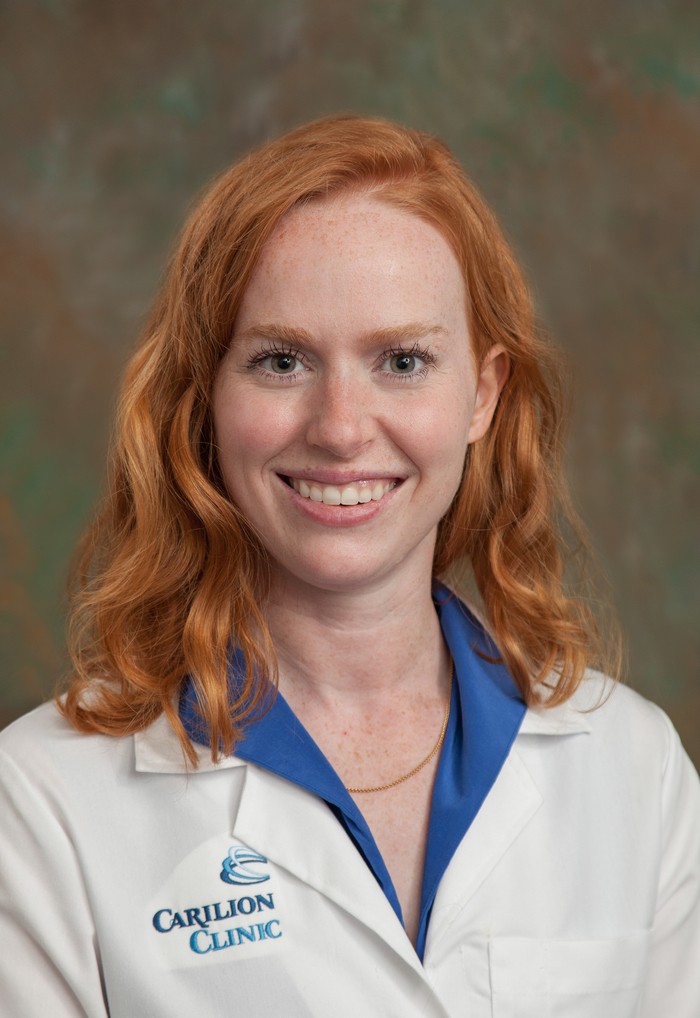
After graduating from medical school at Virginia Tech Carilion School of Medicine, Dr. Whitham completed her residency training in obstetrics and gynecology at Baylor School of Medicine in Texas. After completing her residency, Dr. Whitham obtained further specialist training in maternal fetal medicine with the University of Virginia’s fellowship program.
Joining the faculty at Carilion Clinic in 2022, she's been actively involved in Virginia Tech Carilion School of Medicine’s OB/GYN residency program and patient care. While at Carilion, she developed multiple research protocols aimed at the early detection, intervention, and management of risk factors for preterm and growth-restricted pregnancies to improve maternal outcomes. She's currently the director of research for obstetrics and gynecology and an associate professor in OB/GYN. Dr. Whitham is certified by the American Board of Obstetrics and Gynecology.
Funding mechanism
Investigator Iniciatied