BASELINE
The international BASELINE trial compares the 2 transcatheter heart valve (THV) systems used most often to treat failing aortic bioprostheses.
Category
Age Requirement
About This Study
Summary
The aortic valve is the main gateway through which blood passes from the heart to the rest of the body. Various conditions can cause the aortic valve to narrow (aortic stenosis), thus reducing or blocking blood flow. Without treatment, severe aortic stenosis can lead to life-threatening complications, including heart failure and stroke.
One option for treating aortic stenosis involves implanting an engineered tissue (bioprosthetic) valve. These substitute valves typically last around 10 years before they begin to decline, requiring repair or replacement. An alternative to open heart surgery, transcatheter aortic valve implantation (TAVI) is the preferred technique for fixing failing substitute aortic valves in elderly patients. TAVI can be used with either balloon-expandable or self-expanding transcatheter heart valves (THV), and each type has specific pros and cons. BASELINE compares the 2 THV systems used most often to treat failing aortic bioprostheses.
Once participants are cleared to join BASELINE, they're assigned randomly (50-50, like a coin toss) to undergo transfemoral TAVI with either a balloon-expandable THV or a self-expanding THV. Neither the lead scientist nor the participant can choose which one they receive. Participants can anticipate being involved in BASELINE follow-up activities for approximately 12 months.
To be included in BASELINE, participants must be / have
- Adult 65 years or older
- Failing surgical aortic bioprosthesis that requires replacement
- Eligible for both procedures evaluated in the study, as established by the heart team’s review of the patient’s clinical status, including results from echocardiography and CT imaging
To be included in BASELINE, participants must not be / have
- A mechanical aortic valve
- Ineligible for either of the procedures used in this study
- Stroke or TIA within 1 month prior to the study procedure
- Unstable clinical condition, including inotropic, vasopressor, or mechanical support
Keywords
Aortic stenosis; TAVI; THV; Transcatheter
For More About This Study or To Ask About Participation
Additional Information
Lead scientist at Carilion Clinic
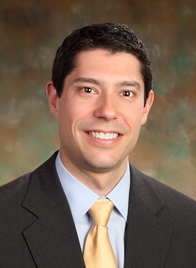
Jason Foerst, MD, is the medical director of the Structural Heart and Valve Center at Carilion Clinic, assistant professor of medicine at Virginia Tech Carilion School of Medicine, and director of Carilion's structural heart disease fellowship program. Dr. Foerst is a structural interventional cardiologist and researcher who completed his internship, residency, and fellowship training at Dartmouth–Hitchcock/Mary Hitchcock Memorial Hospital.
Official title of study
Balloon vs. Self Expanding Transcatheter Valve for Degenerated Bioprosthesis (BASELINE)
Funding mechanism
Industry sponsored by Erasmus Medical Center