
TRICAV II
TRICAV II builds on another Carilion-supported study, TRICAV I. Both of these clinical trials focus on the same minimally invasive treatment system for severe tricuspid regurgitation (TR). TRICAV II specifically evaluates the safet...
Category
Age Requirement
About This Study
Summary
When the tricuspid valve fails to close securely, blood can flow backward within the heart. This potentially causes extreme tiredness, rapid or irregular heartbeat, shortness of breath during activity, and swelling in the neck veins, liver, abdomen, or legs. Approximately 1.5 million adults in the U.S. have leaky tricuspid valves (tricuspid regurgitation, TR). Many cases of TR are mild, without symptoms, and are found by chance. However, if left untreated, TR potentially can lead to reduced heart efficiency, heart failure, and stroke, especially in elderly patients.
Building on another Carilion-supported clinical trial (TRICAV I), TRICAV II evaluates the same minimally invasive treatment for severe TR. However, TRICAV II is specifically designed to determine the safety and effectiveness of the investigational catheter-delivered tricuspid valve system in participants with severe TR and at high risk for tricuspid valve surgery. Adults who are approved to join TRICAV II are assigned randomly (50:50, like tossing a coin) to one of two groups. One group receives current optimal medical therapy for TR. The other group receives optimal medical therapy and the investigational device. Participants cannot choose which group they are assigned to. Research team members will contact participants for follow-up activities at 30 days, 3 months, 6 months, and 12 months after their procedure and then once yearly for up to 5 years afterward.
To be included in TRICAV II, participants must be / have
- Adult (18 to 85 years of age)
- Severe TR and caval reflux
- Hospitalization for or diagnosis of heart failure (NYHA Class II-III-IVa) within 6 months before the index procedure
- Adequately treated with optimal medical therapy for heart failure at the time of TR assessment for eligibility
To be included in TRICAV II, participants must not be / have
- Myocardial infarction (MI), stroke, cardiovascular accident (CVA), coronary artery bypass graft (CABG) surgery, percutaneous coronary intervention (PCI), or other major cardiovascular surgery within 90 days before the index procedure or planned thereafter
- LVEF ≤ 30%
- Severe kidney insufficiency
Keywords
Cardiovascular disease; Heart disease; Heart failure; Tricuspid regurgitation
For More About This Study or To Ask About Participation
Additional Information
Lead scientists at Carilion Clinic
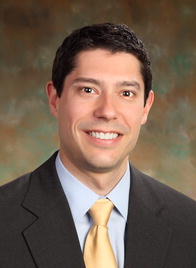
Jason Foerst, MD, is the medical director of the Structural Heart and Valve Center at Carilion Clinic, assistant professor of medicine at Virginia Tech Carilion School of Medicine, and director of Carilion's structural heart disease fellowship program. Dr. Foerst is a structural interventional cardiologist and researcher who completed his internship, residency, and fellowship training at Dartmouth–Hitchcock/Mary Hitchcock Memorial Hospital.
Official title of study
A Prospective, Randomized, Multicenter Clinical Trial of the TricValve Transcatheter Bicaval Valve System in Subjects with Severe Tricuspid Regurgitation (TRICAV II)
Funding mechanism
Industry sponsored by Products & Features