Shoulder ID
This clinical trial aims to evaluate the safety and performance of the Stryker Shoulder iD™, a personalized shoulder implant designed to meet the unique needs of each patient. The implant is created by using Blueprint 3D planning software.
Category
Age Requirement
About This Study
Summary
Stryker is conducting this non-significant risk study to meet European Union (EU) Medical Device Regulation (MDR) clinical post-market surveillance and reporting requirements.
The purpose of this post-market clinical follow-up study is to demonstrate the safety and performance of Shoulder iD™ Primary Reversed Glenoid after implantation over a standard follow-up period using patient reported outcome measures (PROM) related to quality of life, pain and functional improvements, safety of the implants, as well as radiographic assessments. The outcome measures collected in this study will be analyzed and reported as required for local, regional, and country requirements (i.e., regulatory authorities and notified bodies) and to support peer-reviewed publications on product performance and safety.
The implant being studied is intended to replace the shoulder joint, reduce pain, and improve shoulder mobility compared to preoperative status.
To be included in this study, participants must be / have
- 18 years or older at the time of the informed consent or non-opposition (when applicable)
- Informed and willing to sign an informed consent form approved by IRB or EC (when applicable)
- Willing and able to comply with the requirements of the study protocol
- Considered a candidate for shoulder arthroplasty using a study device
- Meets indications for use requirements or other local, regional, or geographic specific regulatory requirements
To be included in this study, participants must not be / have
- Patients who are not able to comply with the study procedures based on the judgment of the assessor (e.g., cannot comprehend study questions, inability to keep scheduled assessment times)
- Patient belongs to a vulnerable group of patients, including minor patients, those unable to decide for themselves to participate, or needing a Legally Authorized Representative (LAR), or others who could be subject to coercion (patients who may not be acting on their own initiative) (referred to as a “vulnerable subject” in section 3.44 of the ISO 14155:2020)
- Active local or systemic infection, sepsis or osteomyelitis
- Poor bone quality, where there could be considerable migration of the prothesis and/or a chance of fracture of the humerus or glenoid (reassessed at time of surgery)
- Significant injury to the brachial plexus
- Inadequate bone stock in the proximal humerus or glenoid fossa for supporting the device components
- Neuromuscular disease (e.g., joint neuropathy)
- Known allergy to one of the product materials
- Metabolic disorders which may impair bone formation
For More About This Study or To Ask About Participation
Additional Information
Lead scientist at Carilion Clinic
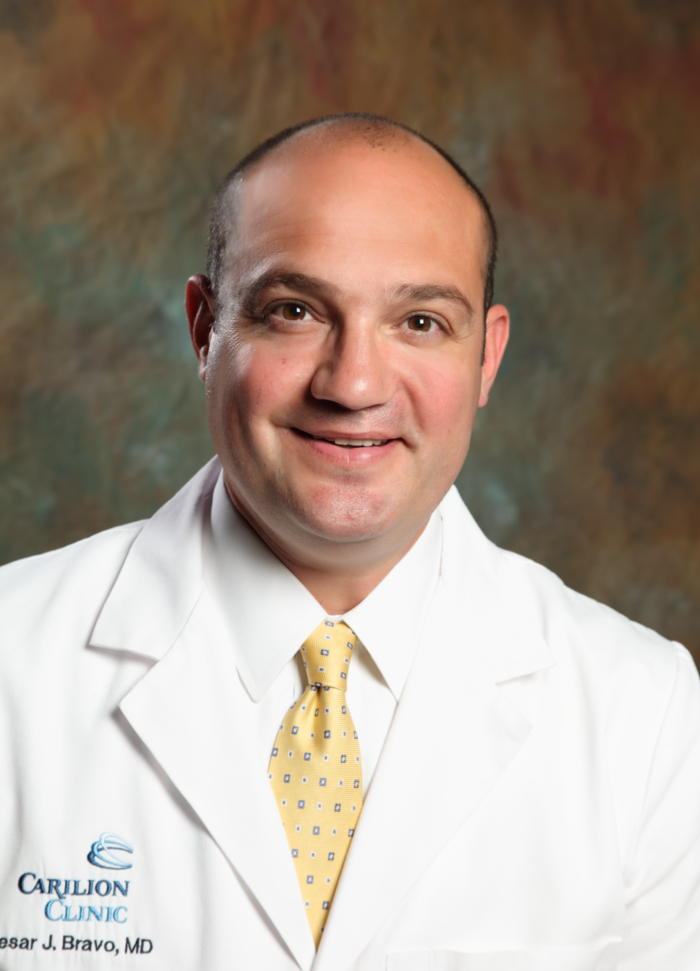
Cesar J. Bravo, MD, is a hand and upper-extremity orthopaedic surgeon with more than 25 years of clinical and research experience. He's an associate professor at Virginia Tech Carilion School of Medicine. He's board-certified by the American Board of Orthopaedic Surgery in orthopedics and hand surgery. He completed his fellowship at Mayo Clinic and completed his internship and residency at the University of Puerto Rico School of Medicine.
Official title of study
Shoulder ID Primary Reversed Glenoid Outcomes Clinical Study
Funding mechanism
Sponsored by Stryker