
RB-ADSC-03
RB-ADSC-03 investigates whether repeated dosing of the investigational treatment RB-ADSC-03 improves outcomes for adults with mild to moderate Alzheimer disease.
Category
Age Requirement
About This Study
Summary
Affecting about 6.9 million people in the U.S., Alzheimer disease (AD) is the most common cause of dementia worldwide. Early symptoms of AD include forgetting recent events or conversations. Over time, AD can cause serious memory loss and reduce a person’s ability to do everyday tasks. In advanced stages, loss of brain function can lead to dehydration, poor nutrition, and infection. Currently there is no cure for AD, but medicines may slow declines in thinking and quality of life.
The RB-ADSC-03 study investigates whether repeated dosing of RB-ADSC-03 improves outcomes in adults with mild to moderate AD. RB-ADSC-03 is created from a patient’s own (autologous) fat cells, so a matching donor isn't necessary, and the body is unlikely to reject the cells. Participants in RB-ADSC-03 are assigned randomly (50:50, like a coin toss) to receive either the RB-ADSC-03 treatment or one that looks the same but doesn’t contain RB-ADSC-03 (placebo). Neither the doctor nor the participant know or can choose which group the participant is assigned to. Both RB-ADSC-03 and the placebo are delivered through a thin, flexible tube implanted into the brain.
Participants receive RB-ADSC-03 (or placebo) every 2 months for a maximum of 6 doses. Research team members call participants to schedule follow-up appointments at 6 months and 12 months after the last injection. Participants assigned to the placebo group have the option to receive the RB-ADSC-03 treatment once the primary study phase is complete.
To be included in RB-ADSC-03, patients must be / have
- Age 45 – 5 years
- Mild to moderate AD
- Good general health
- No tumors or other disease responsible for dementia
- Caregiver meets specific criteria for caregivers
To be included in RB-ADSC-03, participants must not be / have
- Prior cell therapy implantation
- Existing ventriculoperitoneal shunts
- Neurologic disorder other than AD
- Psychiatric disorder, such as schizophrenia, bipolar/unipolar depression, delirium
Keywords
Alzheimer disease; Brain disease; Cell therapy; Dementia; Mental disorders
For More About This Study or To Ask About Participation
Additional Information
Lead scientists at Carilion Clinic
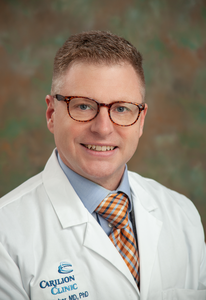
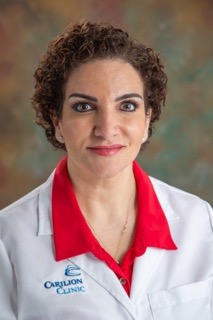
Dr. Wahid is an experienced clinical trialist and hospital medicine specialist. She particularly focuses on understanding factors that influence healthcare outcomes in various subpopulations, such as hospitalized patients and older adults. Several of her studies address the management of sepsis, thrombosis prevention, and the long-term health of COVID-19 patients.
Official title of study
Phase 2a Assessment of Safety, Tolerability, and Efficacy of Repeated Dosing of Intracerebroventricular Injections of Ex Vivo–Expanded, Autologous Adipose-derived Stem Cells (RB-ADSCs) in Participants with Mild to Moderate Alzheimer's Disease
Funding mechanism
Industry sponsored by Regeneration Biomedical