
DurAVR PARADIGM
The DurAVR PARADIGM study investigates a new heart valve device for people with aortic valve stenosis who need transcatheter aortic valve replacement (TAVR).
Category
Age Requirement
About This Study
Summary
The aortic valve lies between the lower left heart chamber and the body’s largest blood vessel, the aorta. This valve’s job is to act as a one-way door: opening when the heart contracts to let blood flow outward to the body. When the heart relaxes, the aortic valve closes, keeping blood from flowing backward into the heart. However, when this valve is narrowed (stenotic) or is stiff and does not open fully, blood flow to the rest of the body is reduced. Symptoms of aortic stenosis may include chest pain; a rapid, fluttering heartbeat; feeling faint or dizzy during activity; shortness of breath; fatigue; and potentially heart failure (in some severe cases).
The DurAVR PARADGIM study compares the DurAVR THV system with commercially available transcatheter aortic valve replacement (TAVR) devices in patients with severe aortic stenosis. The DurAVR PARADIGM device is built to mimic the performance of a healthy aortic valve. Participants who join this study will be randomized (50:50, like a coin toss) to receive either the investigational DurAVR THV system or a currently approved TAVR device. Neither the lead scientist nor participants can choose or know which device they receive. Research team members will continue to follow participants for 10 years after the procedure.
To be included in DurAVR PARADIGM, participants must be / have
- Native calcific valve severe aortic stenosis, confirmed by the local heart team
- Eligible for TAVR using any of the THV systems included in the study
To be included in DurAVR PARADIGM, participants must not be / have
- Size of native aortic annulus is unsuitable for study THVs
- Acute myocardial infarction within 30 days before randomization
- Severe total aortic regurgitation
- Severe mitral or tricuspid regurgitation or moderate (or greater) mitral stenosis
- Pre-existing mechanical or bioprosthetic valve in any position
- Untreated clinically significant coronary artery disease requiring revascularization
- Cardiac imaging evidence of intracardiac mass, thrombus, or vegetation
- Active bacterial endocarditis in the last 3 months
Keywords
Aortic stenosis; Aortic valve disease; Cardiovascular disease; Heart disease
For More About This Study or To Ask About Participation
Additional Information
Lead scientist at Carilion Clinic
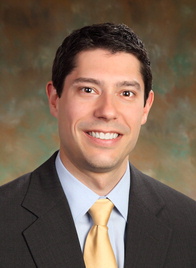
Jason Foerst, MD, is the medical director of the Structural Heart and Valve Center at Carilion Clinic, assistant professor of medicine at Virginia Tech Carilion School of Medicine, and director of Carilion's structural heart disease fellowship program. Dr. Foerst is a structural interventional cardiologist and researcher who completed his internship, residency, and fellowship training at Dartmouth–Hitchcock/Mary Hitchcock Memorial Hospital.
Official title of study
A Prospective Randomized Trial Assessing the Safety and Effectiveness of the DurAVR Biomimetic Valve Designed for Physiologic Flow Compared to Commercial TAVR Devices (PARADIGM)
Funding mechanism
Industry Sponsored by Anteris Technologies