
MOVE-Lp(a)
MOVE-Lp(a) investigates whether a new anti-cholesterol drug (muvalaplin) decreases the risk of stroke, aortic stenosis, and heart attack in participants with high levels of lipoprotein(a), a protein that transports cholesterol in the blood.
About This Study
Summary
Lipoproteins like Lp(a) transport cholesterol, a fatty substance, in the blood. One type of cholesterol is high-density lipoprotein cholesterol (also known as HDLs or "good cholesterol"). Helpful aspects of cholesterol include its roles in the cell walls of normal tissues and in steroid hormones, which regulate body functions.
However, some cholesterol is carried by low-density lipoprotein (that is, LDLs or "bad cholesterol"). Research shows that LDLs like Lp(a) can cause cholesterol to collect on the walls of arteries and veins, leading to narrowing or blockage of blood vessels and hardening of arteries. These effects in turn increase the risk of heart disease and stroke. Taking steps to control cholesterol levels can help reduce these risks.
Currently there are no approved treatments for specifically lowering Lp(a) levels. To help identify potential therapies, Carilion is participating in the MOVE-Lp(a) clinical trial. MOVE-Lp(a) is a global study that looks at whether the compound mulvalaplin, which interferes with Lp(a), is effective in decreasing heart attacks, stroke, and cardiac catheterizations in adults who have high Lp(a) levels.
To be included in MOVE-Lp(a), participants must be / have
- Adult (18 years or older)
- Lp(a) laboratory value of 175 nmol/L or higher
- At risk for a major cardiovascular event or surgery (such as heart attack, stroke, or procedure to restore blood flow to the heart) or had one within the last 10 years
To be included in MOVE-Lp(a), participants must not be / have
- Uncontrolled high blood pressure
- Severe kidney impairment
- Any cardiovascular event or surgery in the last 3 months
- A procedure to remove cholesterol from the blood vessels in the last 3 months
- Cancer within the last 5 years
Keywords
Atherosclerosis; EKBG; Heart attack; High cholesterol; Stroke
For More About This Study or To Ask About Participation
Additional Information
Lead scientists at Carilion Clinic
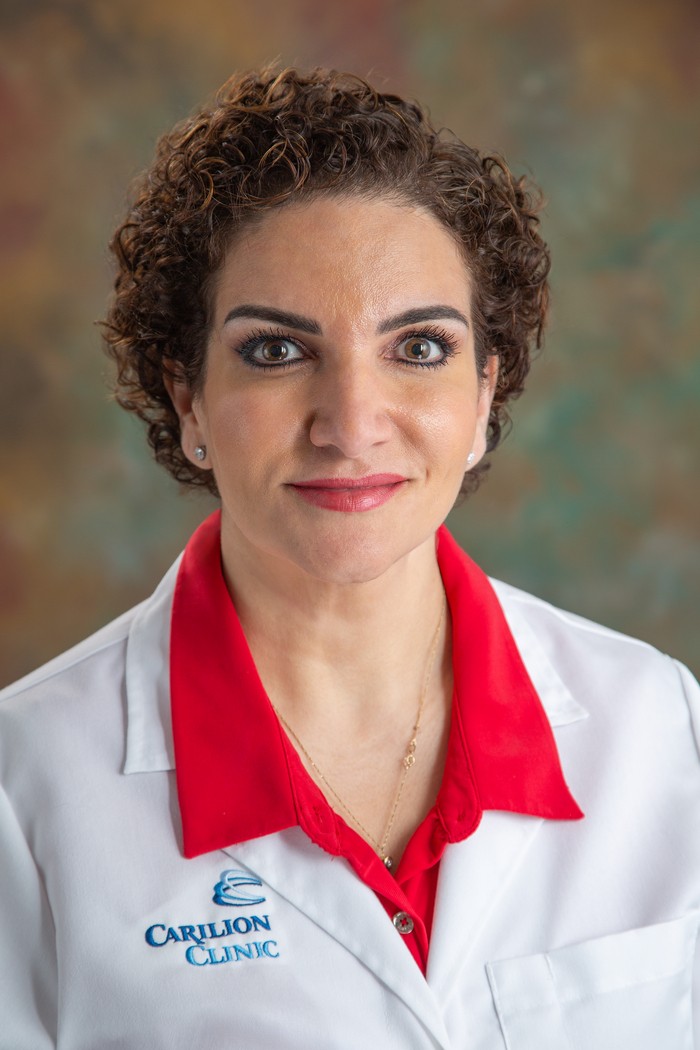
Dr. Wahid is an experienced clinical trialist and hospital medicine specialist. Her particular research focus is understanding how various nonmedical factors (including socioeconomic status, healthcare access, and environment) influence patient outcomes. Several of her studies address the management of sepsis, thrombosis prevention, and the long-term health of COVID-19 patients.

Board-certified in both cardiology and lipidology, Dr. Self is motivated to improve outcomes for patients with atherosclerotic cardiovascular disease. His research interests reflect his clinical expertise and address targeted lipid therapeutics and primary and secondary prevention of cardiovascular disease. In particular, Dr. Self strives to contribute to scalable outpatient models that reduce cardiovascular risk, promote adherence to guideline-directed therapy, and decrease hospital readmissions.
Official title of study
Assessing the Impact of Muvalaplin on Major Cardiovascular Events in Adults with Elevated Lipoprotein(a) (MOVE-Lp(a))
Funding mechanism
Industry sponsored by Eli Lilly