Everest
The Lung Cancer Biomarkers study aims to develop a blood test to identify cigarette smokers at high risk for early-stage lung cancer
Category
Age Requirement
About This Study
Summary
Smoking cigarettes is the leading cause of lung cancer, accounting for 80% of all cases in the U.S. Because tobacco smoke contains several cancer-causing substances (carcinogens), people who smoke cigarettes are 15 to 30 times more likely to develop lung cancer than are nonsmokers. These compounds directly damage the cells lining the airways, including causing changes in the cells’ DNA. Initially, the body can reverse some of this damage. However, repeated exposure to tobacco smoke overpowers the body’s repair mechanisms, enabling cancer cells to grow out of control. In addition, compounds in tobacco smoke weaken the immune system, making it even harder for the body to destroy cancer cells.
A key strategy in effectively treating lung cancer is to find it early, when tumors are small—even smaller than what can be seen on a chest X-ray or CT scan. The Lung Cancer Biomarkers study asks whether a blood test can be developed that might identify an increased risk of lung cancer in smokers before they have any signs of disease. Research team members will collect medical information and blood samples from people who enroll in this study. Participants can expect to be involved in the Lung Cancer Biomarkers study for approximately 2 years (6 clinic visits).
To be included in the Lung Cancer Biomarkers Study, participants must be / have
- Adult (30 – 80 years old)
- Current or former smoker (quit <15 years ago)
- Smoking history of ≥10 pack years (pack years = number of packs per day multiplied by the number of years smoked)
To be included in the Lung Cancer Biomarkers Study, participants must not be / have
- Any history of hematologic malignancies or myelodysplasia
- Diagnosed with any other cancer (except non-melanoma skin cancer) within last 5 years
- Received any systemic or definitive therapy, radiation, or surgical resection for cancer (other than for non-melanoma skin cancer) within 1 year before enrollment
Keywords
Blood test; Cigarette smoking; Everest; Lung cancer; Tobacco use
For More About This Study or To Ask About Participation
Additional Information
Lead scientist at Carilion Clinic
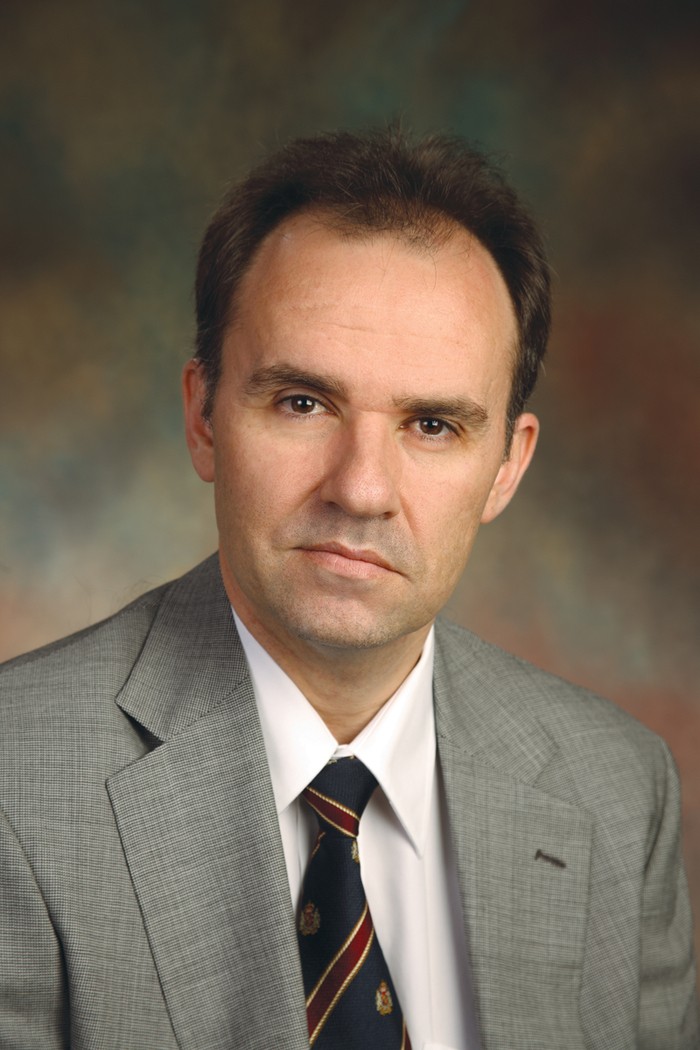
Dr. Edmundo Rubio is a board-certified physician in sleep medicine, critical care medicine, and pulmonary disease with more than 30 years of experience. After completing his medical school training at the University of Chile, he pursued his internal medicine residency at New Hanover Regional Medical Center, an Area Health Education Center of the University of North Carolina. He then expanded his expertise through fellowships in Pulmonary and Critical Care, as well as Sleep Medicine at Tulane School of Medicine in New Orleans. While training in pulmonary medicine, Dr. Rubio also received advanced training in interventional pulmonology under the guidance of Dr. Kevin Kovitz. Since joining Carilion in 2008, he has taken on several leadership roles, including Section Chief of Pulmonary, Critical Care, and Environmental Sleep Medicine, Director of Interventional Pulmonology, Co-Medical Director of Radford University Carilion's Respiratory Care Program, and Associate Program Director for the Pulmonary and Critical Care Fellowship at Carilion.
Official title of study
Everest: Biomarkers of Early-Stage Lung Cancer in Cigarette Smokers
Funding mechanism
Industry sponsored by Everest Detection