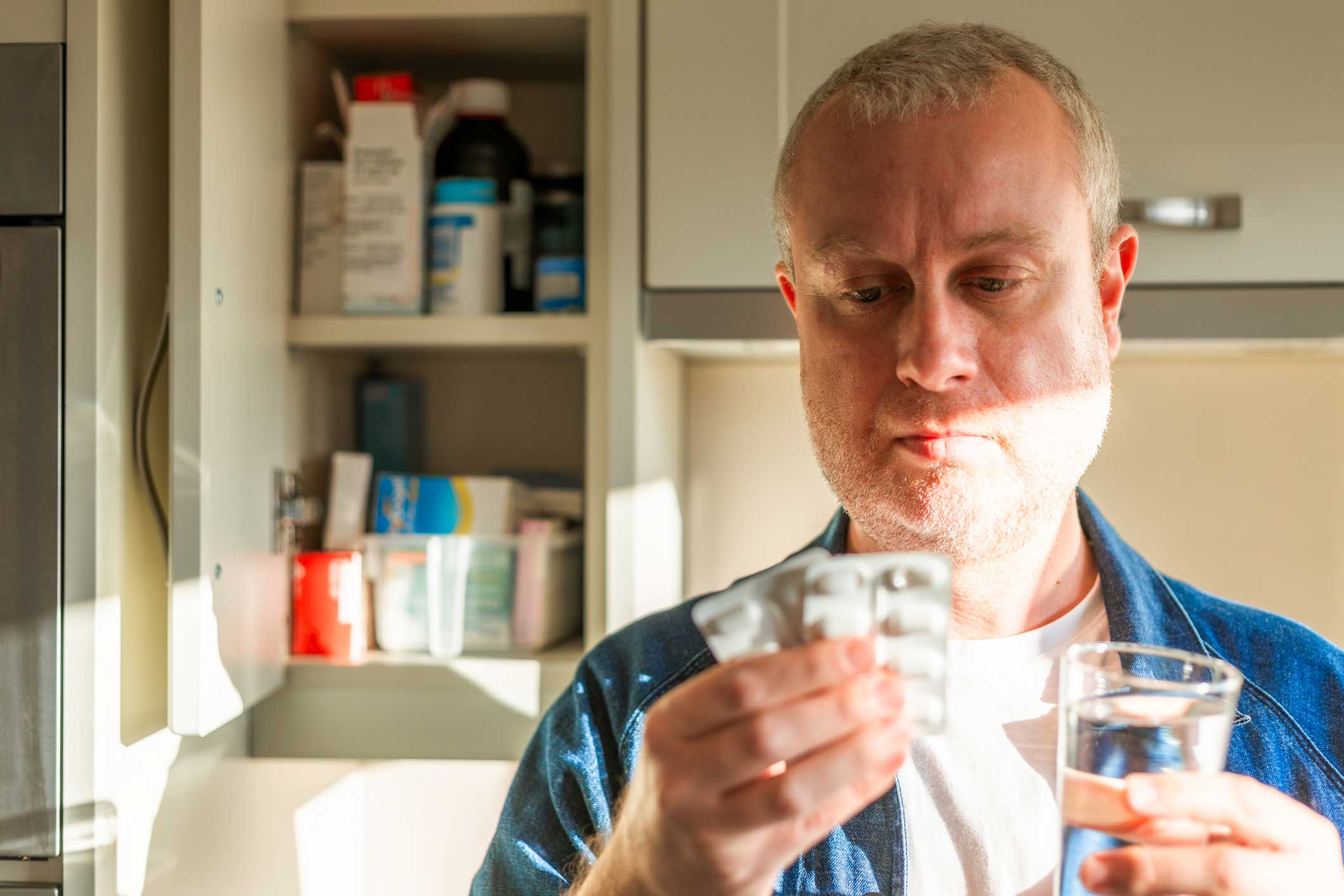
- Guidelines clarify who should not take baby aspirin to prevent heart disease.
- People who already take preventive aspirin should talk to their physician.
- Other medications are available that have the same preventive effects.
A “baby aspirin” a day has long been a popular preventive measure against cardiovascular disease.
But guidelines from the U.S. Preventive Services Task Force (USPSTF)* recommend that adults age 60 and older should not start taking daily low-dose aspirin to prevent a heart attack or stroke.
“The recommendations from the USPSTF are not a blanket statement against daily aspirin,” says Bryant Self, DO, a cardiologist and lipidologist with Carilion Cardiovascular Institute. “For example, the guidelines don’t tell people currently taking daily low-dose aspirin to stop.”
What the guidelines do mean:
- If you currently take aspirin every day to help prevent a heart attack or stroke, then it’s time to have a conversation about it with your physician.
- If you’re thinking about starting to take aspirin for that same reason, talk with your physician first.
What the Guidelines Say
The USPSTF recommends that:
- Adults age 60 and older should not start taking daily low-dose aspirin to prevent cardiovascular disease.
- For adults age 40 to 59 with a 10% or greater 10-year risk of cardiovascular disease, the decision to start taking daily low-dose aspirin should be an individual one.
These guidelines replace the older recommendations for using low-dose aspirin as a preventive measure in some adults age 50 to 69, depending on different individual factors.
Risks May Outweigh Benefits for Older Adults
Many people can safely take aspirin every day. But sometimes long-term use can cause bleeding in the stomach or brain. The risk of internal bleeding increases with age, and that’s why the USPSTF no longer recommends that adults age 60 and up take daily aspirin to prevent cardiovascular disease.
Other types of drugs, like statins, reduce the risk of having a heart attack or stroke without the potential to cause internal bleeding.
Next Steps
Check in with your physician if you currently take daily aspirin, says Dr. Self. Together you can decide whether it’s safe and helpful for you to continue with it, or if a different medication would make more sense.
And what if you don’t know what your risk level is for cardiovascular disease, or you have questions about any of your risk factors—like higher blood pressure, higher cholesterol or family history?
“Set up a time to talk about this with your physician,” Dr. Self says. “They may recommend further testing such as a coronary artery calcium score. They will guide you and educate you on the steps you can take now to stay healthy.”
________
*The USPSTF is an independent, volunteer panel of national experts in prevention and evidence-based medicine that reports to Congress.